





 Vietnamese
 中文
中文
 日本語
日本語
 한국어
한국어
 Français
 Русский
 Deutsch
 Español
 Bahasa Indonesia
 ไทย
ไทย
 ພາສາລາວ
 ខ្មែរ
ខ្មែរ


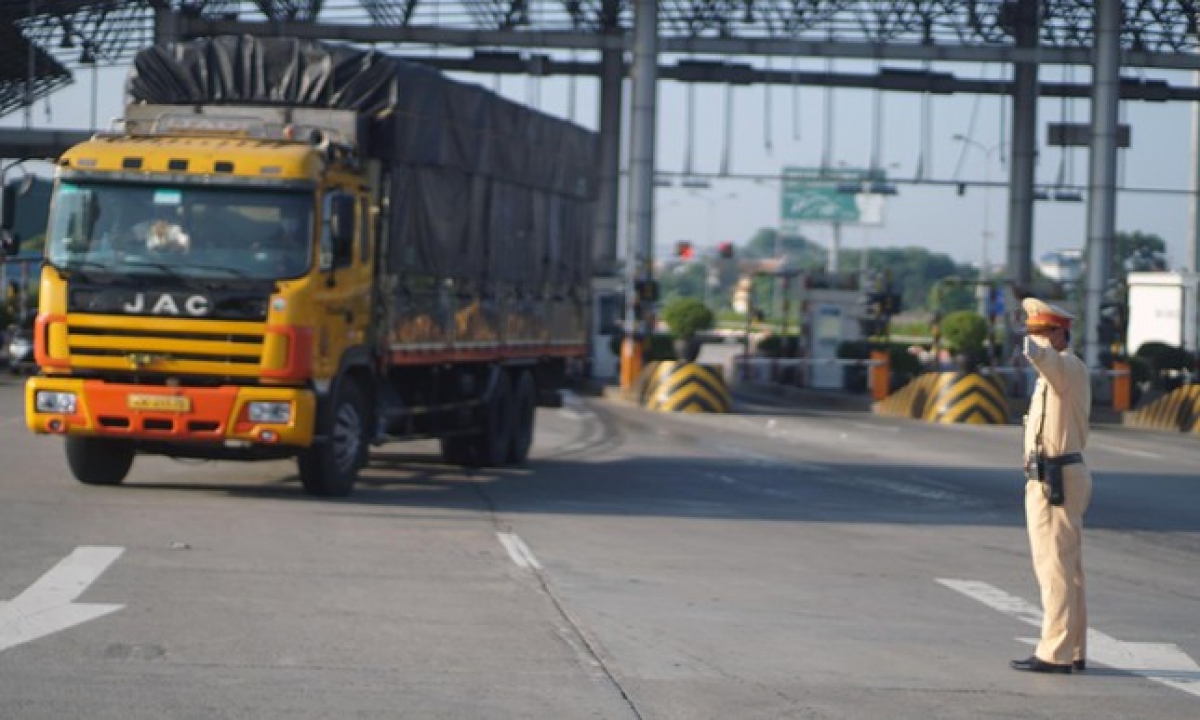 As many as 22 checkpoints have been positioned on major roads that typically see high volumes of people entering the capital. As many as 22 checkpoints have been positioned on major roads that typically see high volumes of people entering the capital. |
 Vehicle drivers entering Hanoi through the Phap Van-Chau Gie highway are stopped at a checkpoint at 6 a.m. on July 14. Vehicle drivers entering Hanoi through the Phap Van-Chau Gie highway are stopped at a checkpoint at 6 a.m. on July 14. |
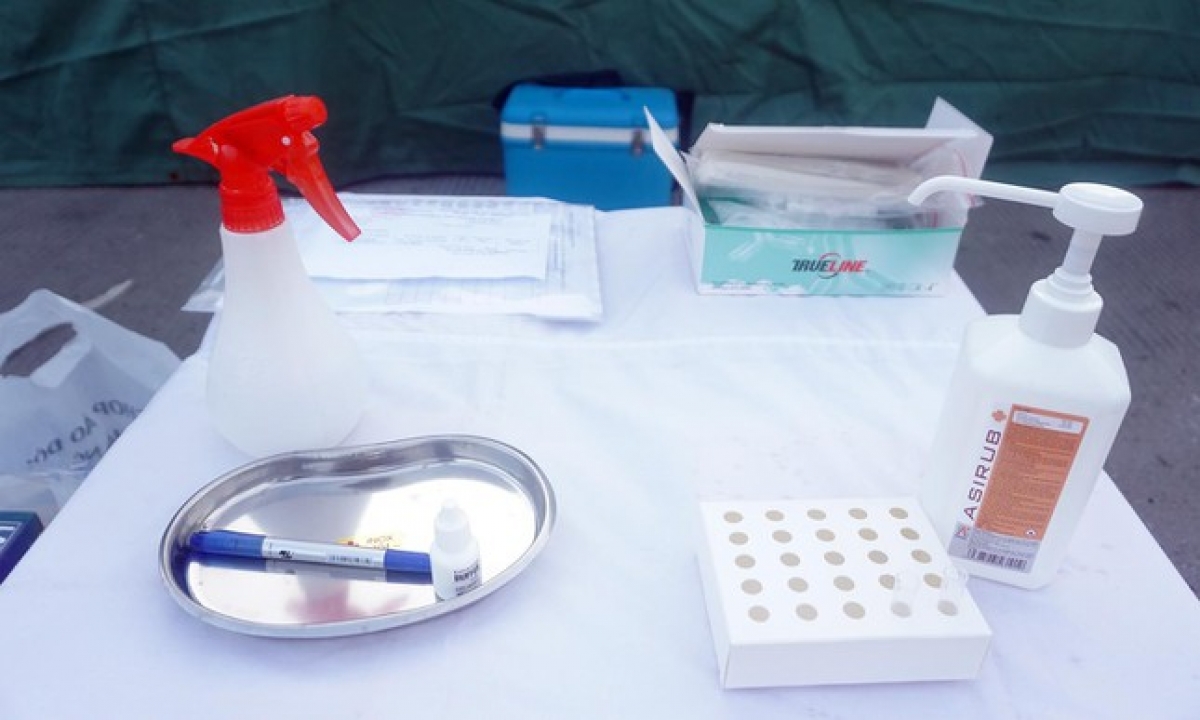
 Suspected cases are required to undergo quick tests, with each sample receiving their test result in approximately 15 to 30 minutes. Suspected cases are required to undergo quick tests, with each sample receiving their test result in approximately 15 to 30 minutes. |
 For drivers who have come from pandemic-hit areas, they must have certificates stating that they are negative for COVID-19, with these being issued a maximum of three days before travelling to Hanoi. For drivers who have come from pandemic-hit areas, they must have certificates stating that they are negative for COVID-19, with these being issued a maximum of three days before travelling to Hanoi. |
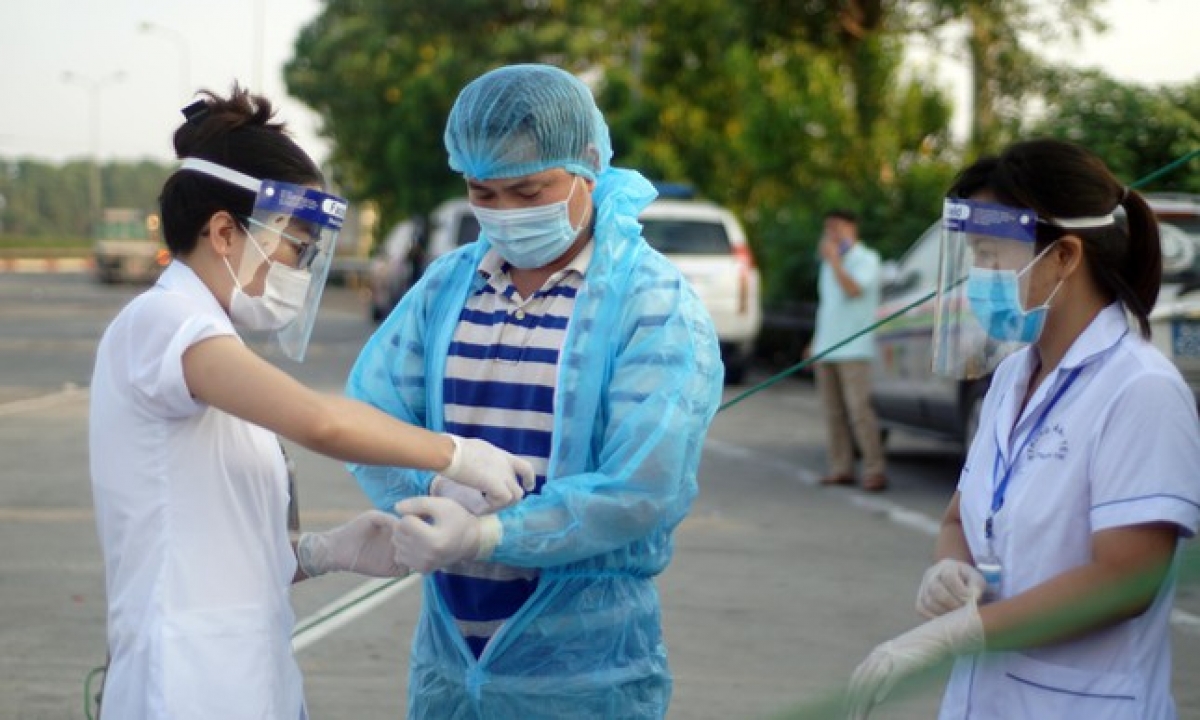
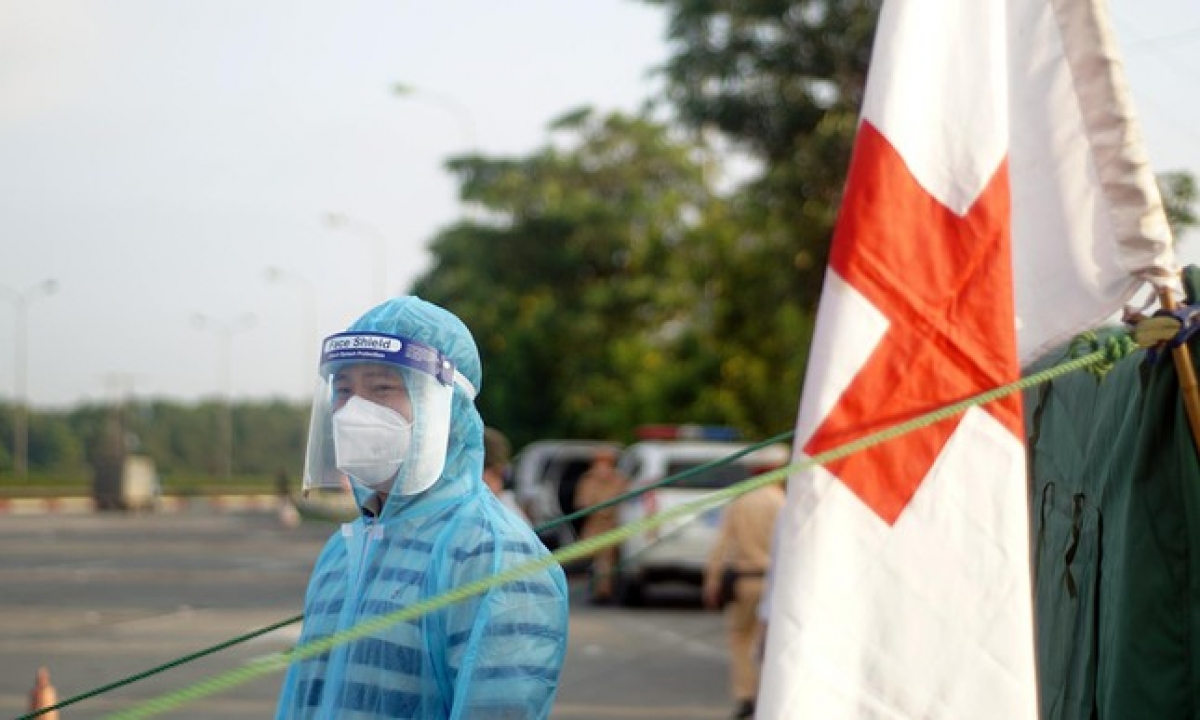
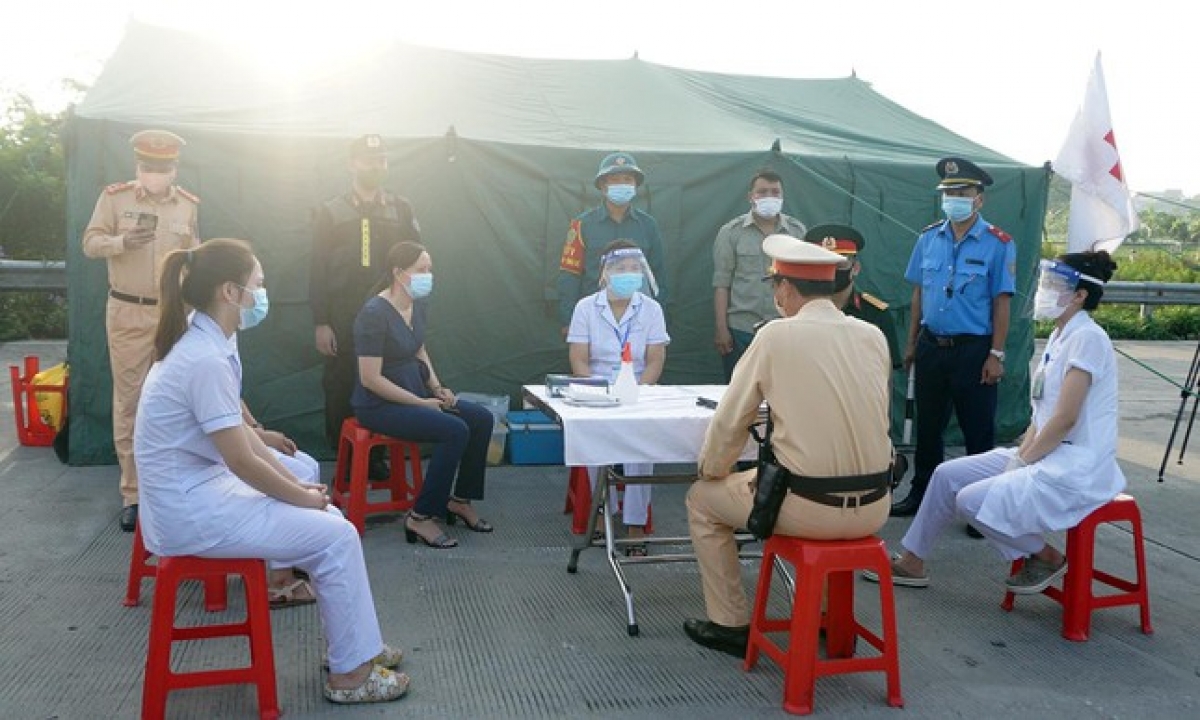 A single team based at a checkpoint consists of policemen and healthcare workers who are on-duty for 24 hours every day. A single team based at a checkpoint consists of policemen and healthcare workers who are on-duty for 24 hours every day. |
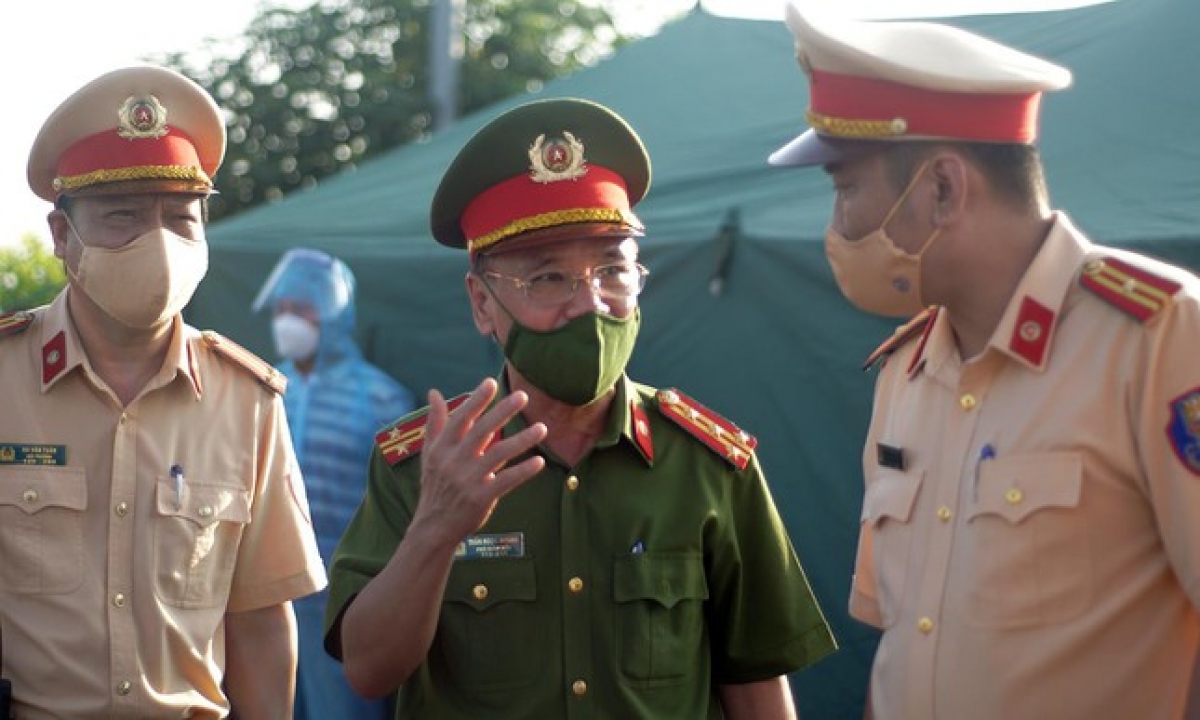 Tran Ngoc Duong, deputy director of Hanoi Municipal Police Department, says drivers from 14 provinces which have been impacted by the COVID-19 pandemic have been asked not to enter the city. In addition, drivers from other cities and provinces must have their body temperature measured, perform healthcare declarations, and undergo a quick COVID-19 test if necessary. Tran Ngoc Duong, deputy director of Hanoi Municipal Police Department, says drivers from 14 provinces which have been impacted by the COVID-19 pandemic have been asked not to enter the city. In addition, drivers from other cities and provinces must have their body temperature measured, perform healthcare declarations, and undergo a quick COVID-19 test if necessary. |
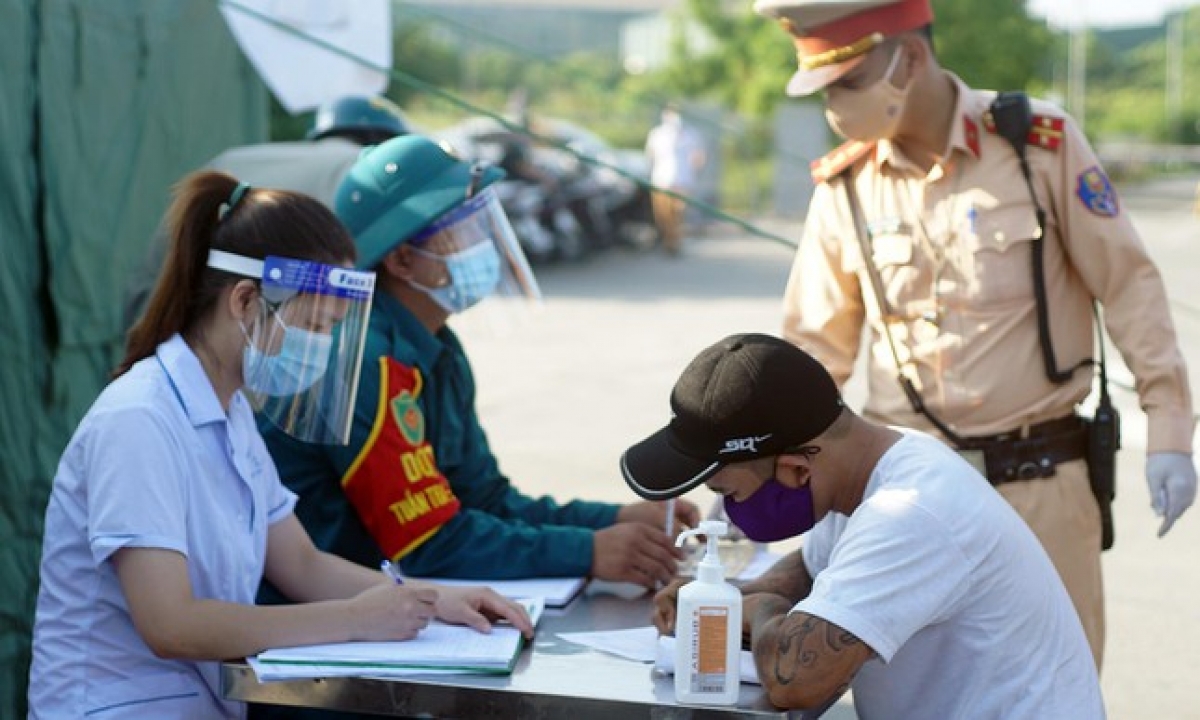 A driver completes a medical check-up at a checkpoint in Hanoi. Setting up various checkpoints at entrances to the capital is part of the city's tougher pandemic prevention measures that aims to cope with the recent rise in infections. A driver completes a medical check-up at a checkpoint in Hanoi. Setting up various checkpoints at entrances to the capital is part of the city's tougher pandemic prevention measures that aims to cope with the recent rise in infections. |
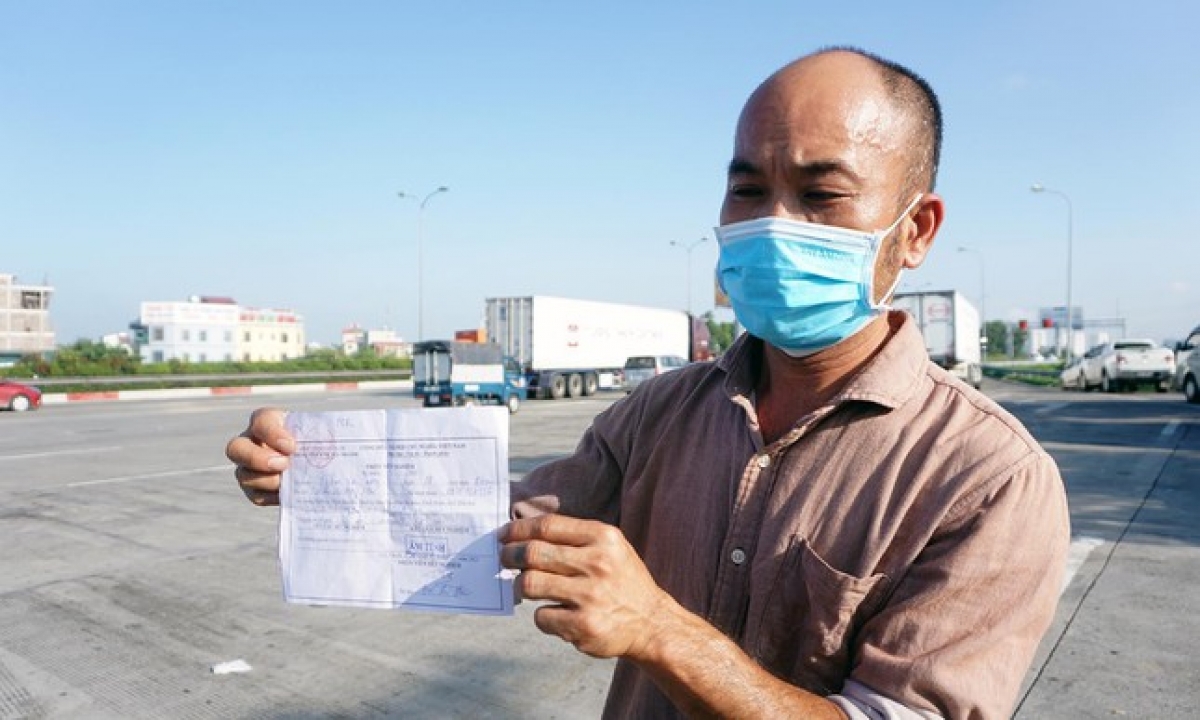 Phan Van Luong, 38, carries frozen goods from the COVID-19 hotspot of Ho Chi Minh City to Hanoi. He is one of the drivers that is not permitted to enter the capital due to his certificate of quick COVID-19 test not being accepted, local authorities require all drivers to take a RT-PCR test for the SARS-CoV-2 virus. Phan Van Luong, 38, carries frozen goods from the COVID-19 hotspot of Ho Chi Minh City to Hanoi. He is one of the drivers that is not permitted to enter the capital due to his certificate of quick COVID-19 test not being accepted, local authorities require all drivers to take a RT-PCR test for the SARS-CoV-2 virus. |
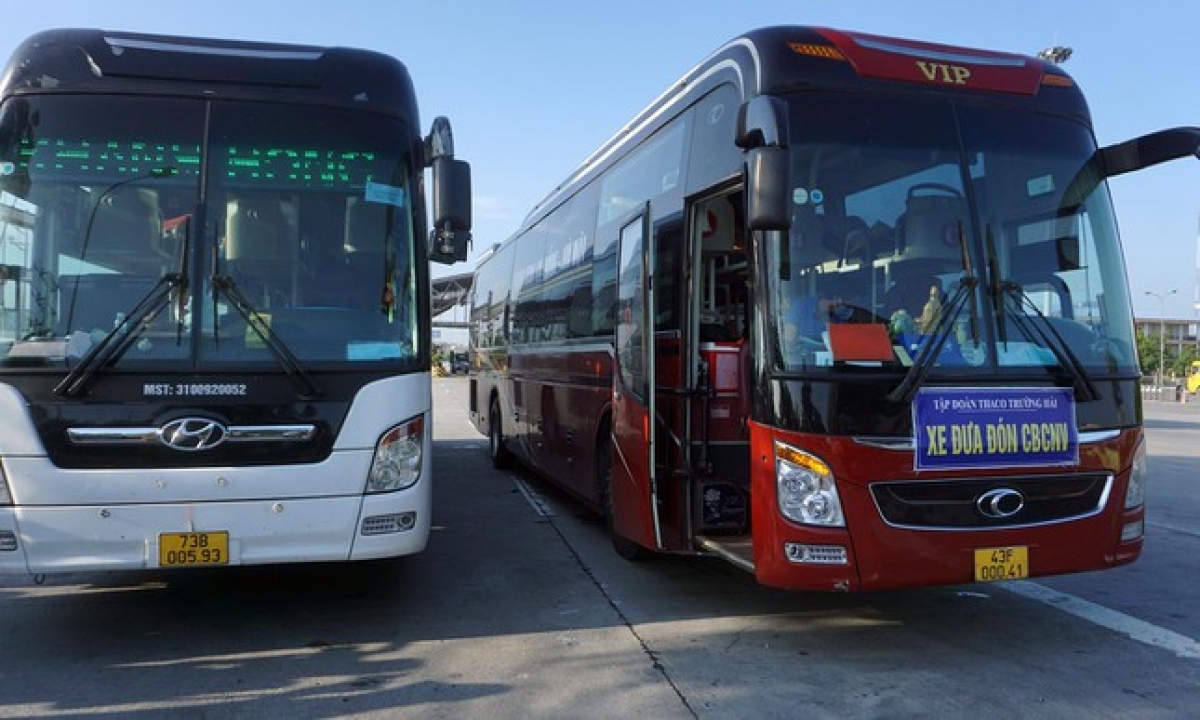 A large number of vehicles are told that they are unable to enter the capital. A large number of vehicles are told that they are unable to enter the capital. |
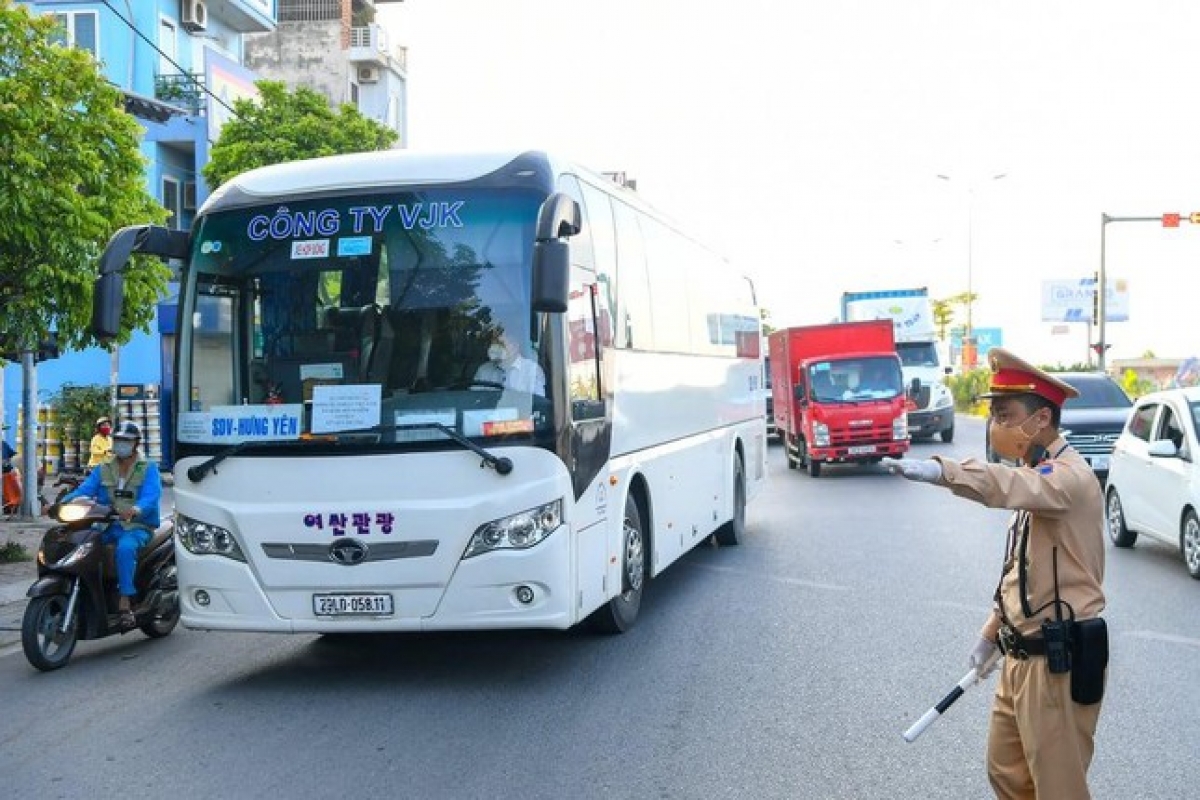 A checkpoint situated in Gia Lam district A checkpoint situated in Gia Lam district |
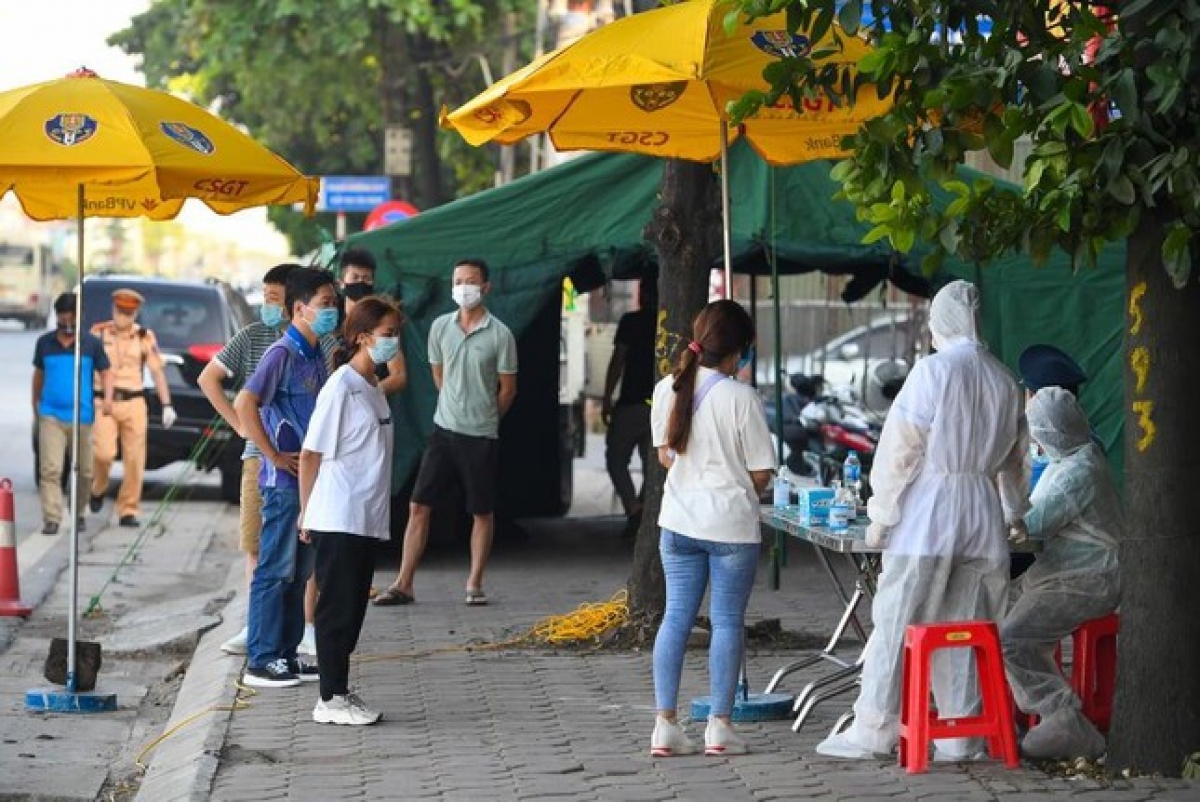 All drivers and passengers have their body temperature checked and carry out healthcare declarations. All drivers and passengers have their body temperature checked and carry out healthcare declarations. |
VOV
Photo:tienphong.vn
