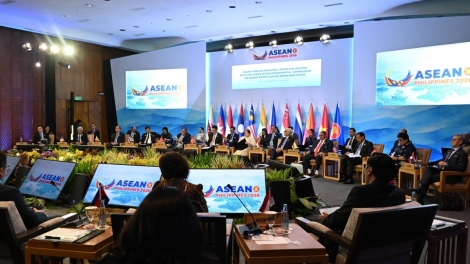




In her opening remarks, Philippine Secretary of Foreign Affairs Maria Theresa P. Lazaro recalled that the TAC was signed on February 24, 1976, in Bali, Indonesia, by ASEAN's five founding members: Indonesia, Malaysia, the Philippines, Singapore, and Thailand. Brunei, Vietnam, Laos, Myanmar, and Cambodia later joined ASEAN and became parties to the treaty.
“It marks the beginning of a shared commitment. By acceding to the TAC, you have affirmed your support for preserving its enduring principles of mutual respect, peaceful settlement of disputes, non-interference, and cooperation,” Secretary Lazaro said.
“What began as a regional landmark document among five nations has since evolved into something far greater in scope and enduring in character. Over the past five decades, the TAC has surpassed geography, transcended languages, and entrenched itself in the sustenance of peace in the region and beyond,” she added.
Lazaro said the TAC has grown beyond an ASEAN agreement to become a key pillar of the Asia-Pacific security and cooperation architecture, attracting participation from countries outside the region. She said the accession of Sweden, Poland, Romania, and Lithuania reflects the broad international recognition of the treaty's fundamental principles.
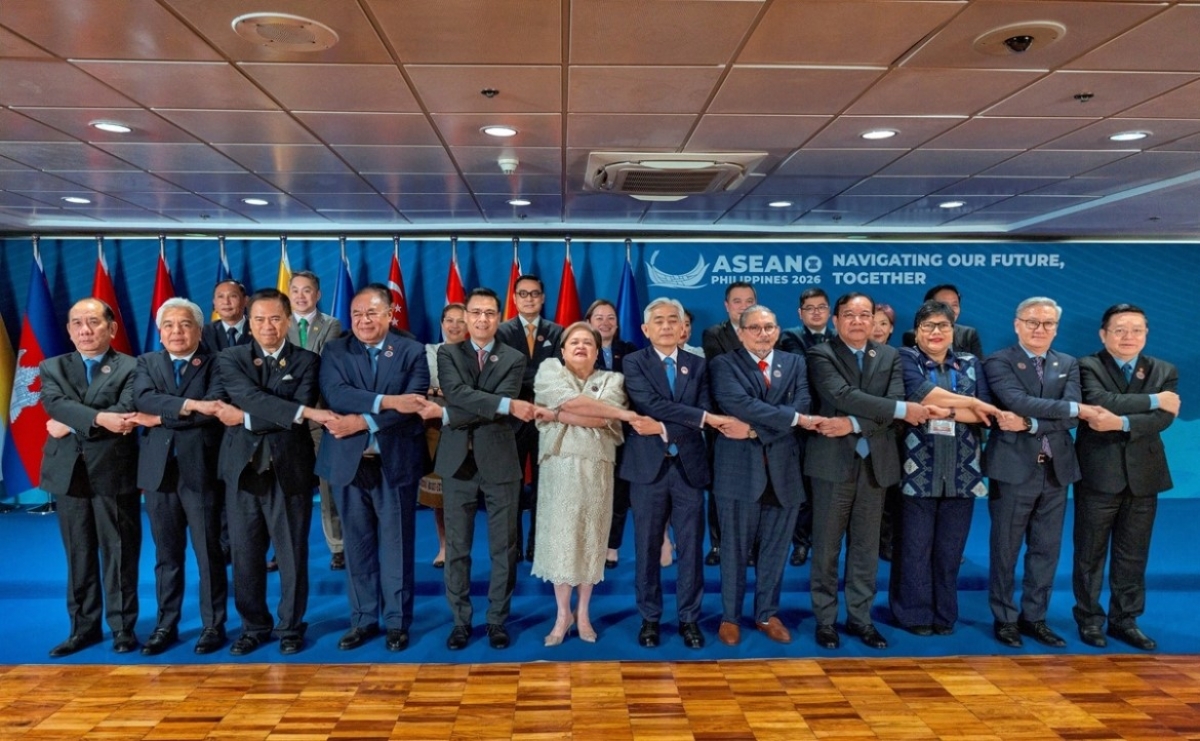
“For five decades, the TAC has provided an important framework for dialogue, mutual respect, and cooperation,” Swedish Minister for Defence Pål Jonson spoke on behalf of the four new signatories. “It has contributed to trust and stability in a diverse and dynamic region. Sweden is honored to be part of this tradition. It is our firm belief that the partnership can only be successful if it is based on mutual trust and respect. Sweden reaffirms our support for ASEAN’s centrality and for ASEAN-led regional cooperation.”
Before the accession of the 4 countries, ASEAN partners including China, Japan, the Republic of Korea, India, Russia, the United States and the European Union had already joined the treaty.