



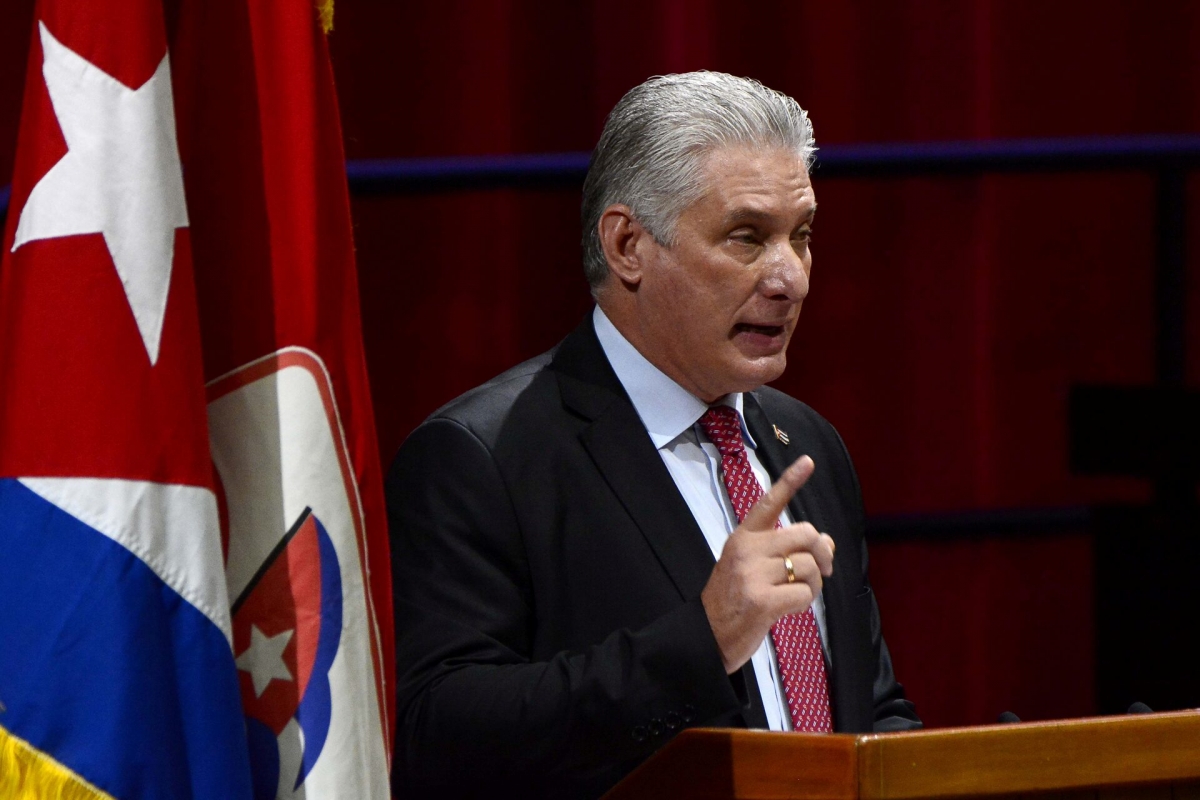
Speaking to the media, President Díaz-Canel said the reforms are designed to establish a more effective economic management system capable of balancing planning objectives with market incentives. The package also seeks to remove obstacles to business development and stimulate economic activity through increased domestic production and exports.
Among the most significant measures is the expansion of local autonomy, allowing provincial and municipal authorities greater discretion in managing economic actors and development strategies.
In the agricultural sector, Díaz-Canel emphasized the need to revive production by granting farmers direct access to input markets and foreign currency, while encouraging foreign investment and partnerships among economic stakeholders.
The government also plans to boost international trade by allowing businesses to import and export goods without intermediaries. In addition, tariff incentives will be introduced for companies importing production inputs and raw materials.
Regarding foreign investment, President Díaz-Canel pledged to streamline approval procedures, remove bureaucratic barriers, and establish a more predictable legal framework aimed at increasing confidence among both domestic and international investors.