



The nearly 350 km long Ring Road 5 project will pass through capital city Hanoi, Ninh Binh, Hung Yen, Hai Phong, Bac Ninh, Thai Nguyen, and Phu Tho province. Phase 1 will begin in 2026 and complete in 2030. The entire route is set to complete by 2035.
The Lao Cai–Hanoi–Hai Phong railway project was approved by the National Assembly in February 2025. It spans 390 km and will be completed by 2030.
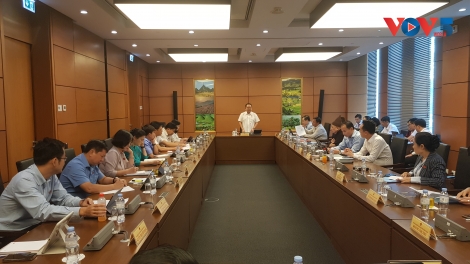
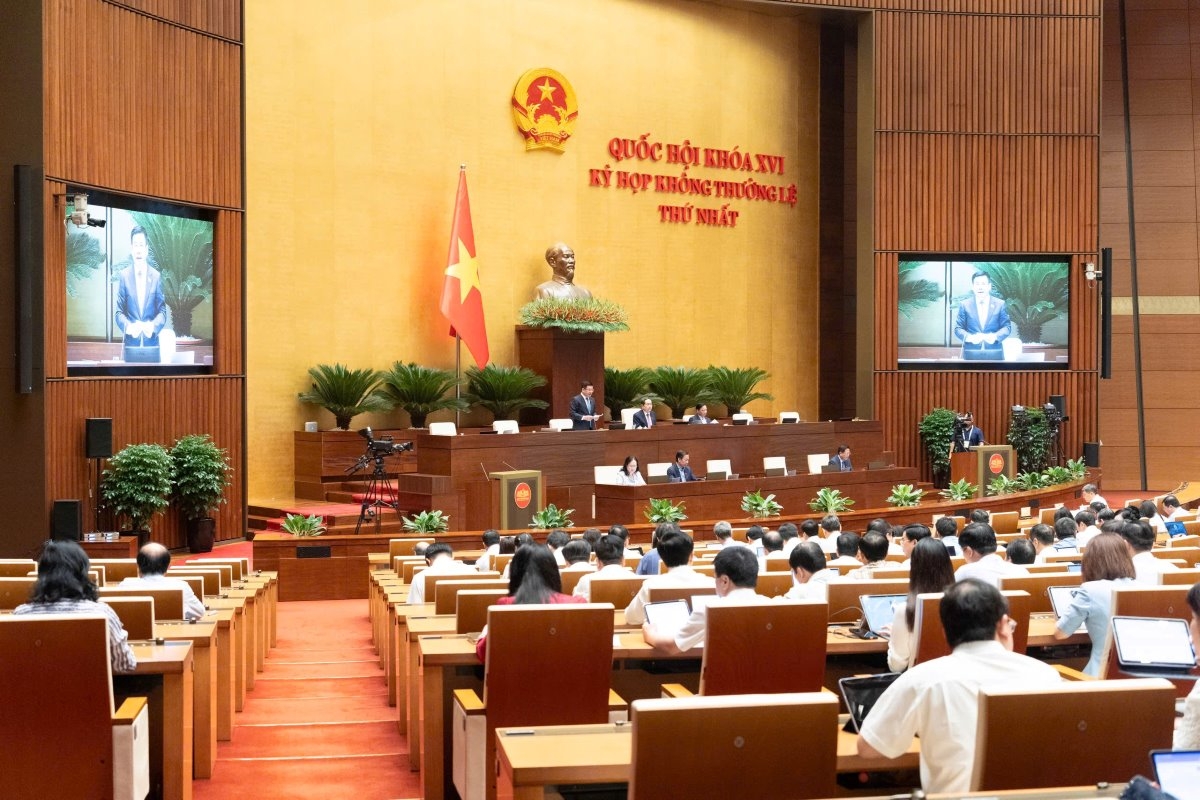
At the meeting, both projects received strong supports from National Assembly deputies, who said they will strengthen regional connectivity and can help Vietnam achieve double-digit growth in next 5 years.
Venerable Thich Bao Nghiem, a National Assembly deputy from Hanoi, said: “The Ring Road No. 5 is a strategic transport infrastructure project that will help Hanoi reorganize its development space, as well as the entire capital region; strengthen connectivity between Hanoi and other localities and key economic, transport hubs. It will contribute to better distribution of industrial, logistics, service and urban functions.”
A major topic discussed at the meeting is mobilizing and balancing capital for the two projects, including central and local budgets and funding from other sources.
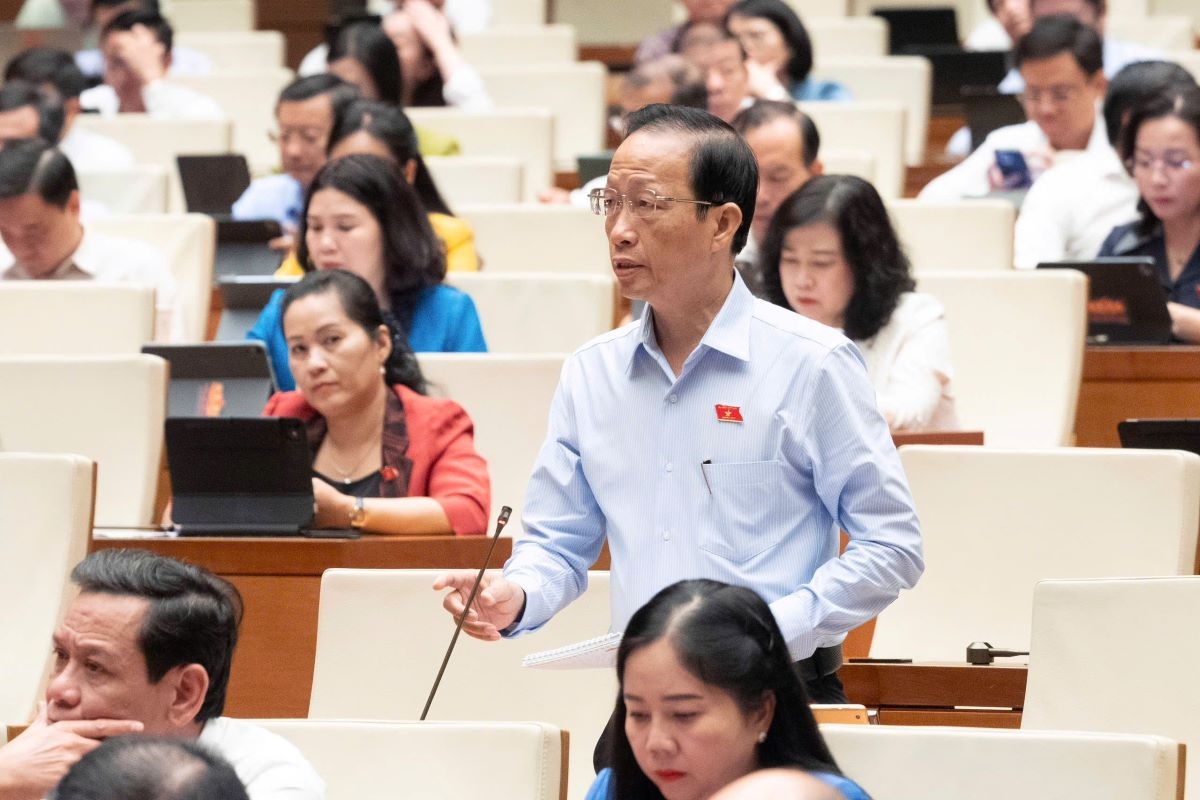
Nguyen Truc Son, a National Assembly deputy from Vinh Long Province, said: “The two projects should be incorporated into the national medium-term public investment plan. We also need a more precise initial estimation. If the projects require more funding than initial estimations, it could disrupt the medium-term public investment plan. Funding for Ring Road No. 5 project, which is estimated at more than 11 billion USD, the Lao Cai–Hanoi–Hai Phong railway, estimated at 11.1 billion USD, need to be clearly structured. A fixed framework should be established, so we can determine whether the projects are 50% or 70% state-funded and how much funding will come from socialized sources or other investment mechanisms.”
National Assembly deputies also noted that construction of the Ring Road No. 5 should prioritize sections that can operate independently, generate immediate network-wide benefits, open up new development corridors, and avoid the spread of resources too thinly.