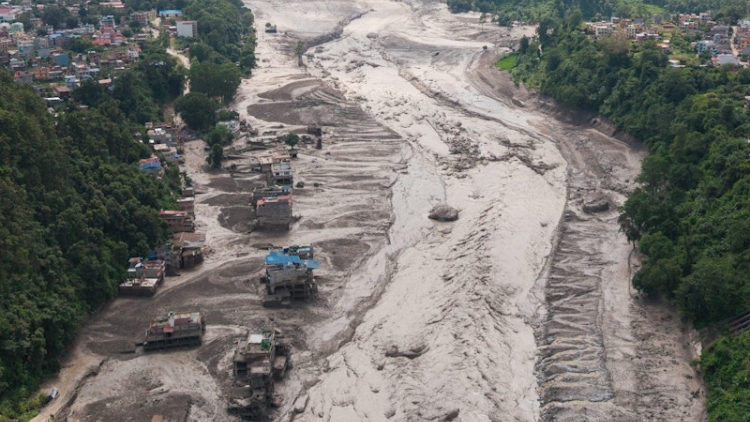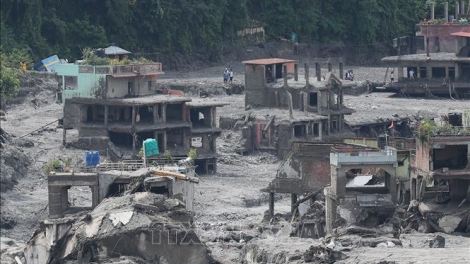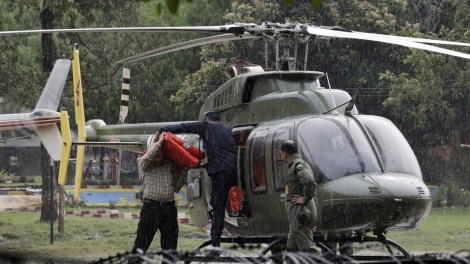




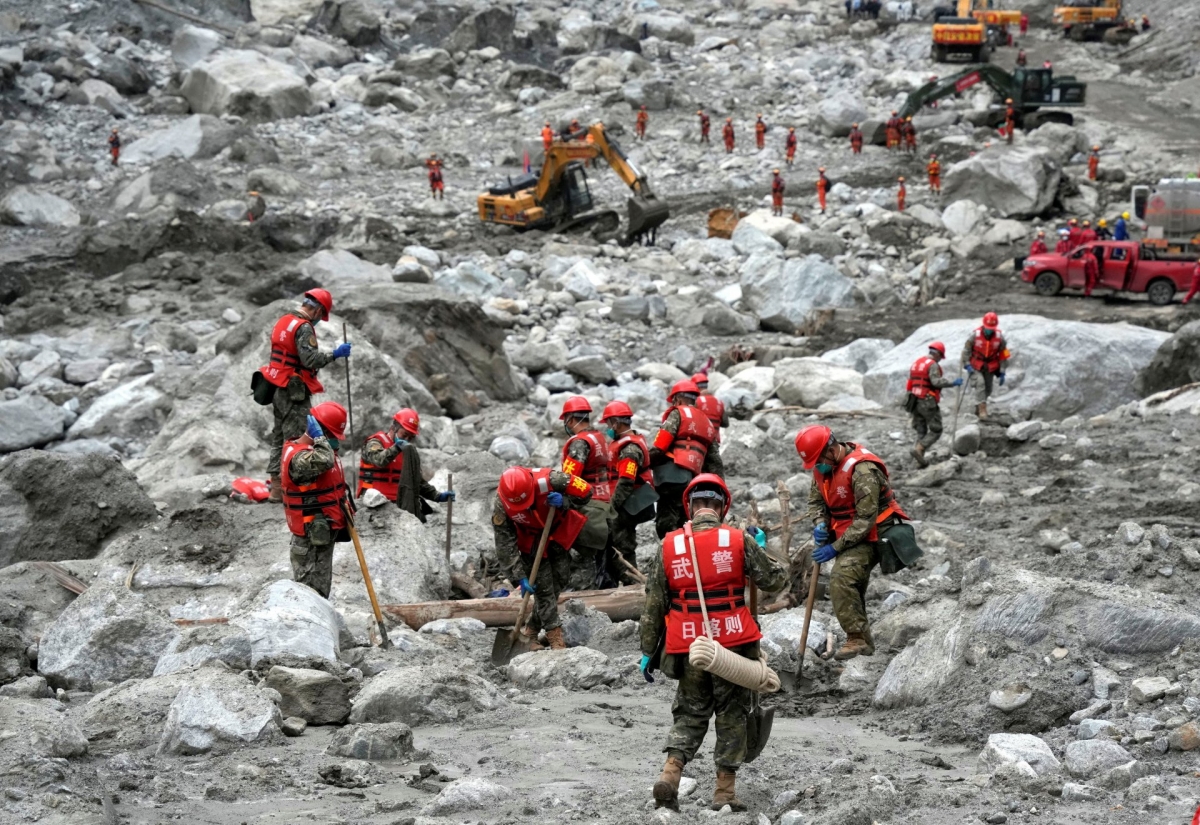
According to Nepal's National Disaster Risk Reduction and Management Authority, as of 6:00 p.m. on September 2, the death toll had risen to 1,204, while about 4,210 people remained missing. Rescue operations are concentrated on tunnels and hydropower projects along the Bhotekoshi–Trishuli river. Professional emergency rescue teams from India, China and the US are coordinating with Nepalese forces to reach these locations.
Alongside search and rescue operations, Nepal plans to rebuild an early-warning system for landslides at Timure, a border settlement in Nepal's Rasuwa district on the same river corridor along the border with China, installing seismic sensors, cameras and a satellite link. That would give the real-time river discharge information to the authorities, and accordingly, the authorities will disseminate SMS messages if any new floods are detected.
TNepalese government is pushing for greater climate justice and compensation following the disaster. Prime Minister Balendra Shah told the Parliament on Wednesday that extreme weather events in the Himalayas are becoming increasingly severe, while Nepal contributes very little to global emissions yet faces significant impacts and has limited capacity to adapt.
On August 31, Nepal officially requested that the Loss and Damage Response Fund, a climate finance mechanism established under the United Nations framework, provide emergency assistance to address the aftermath of the Bhotekoshi floods.