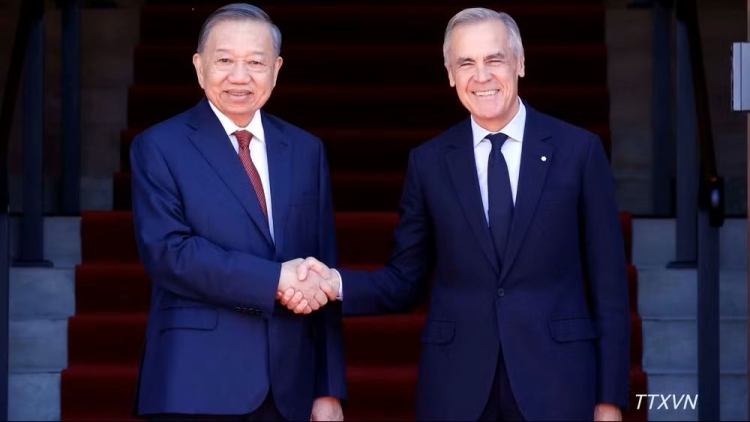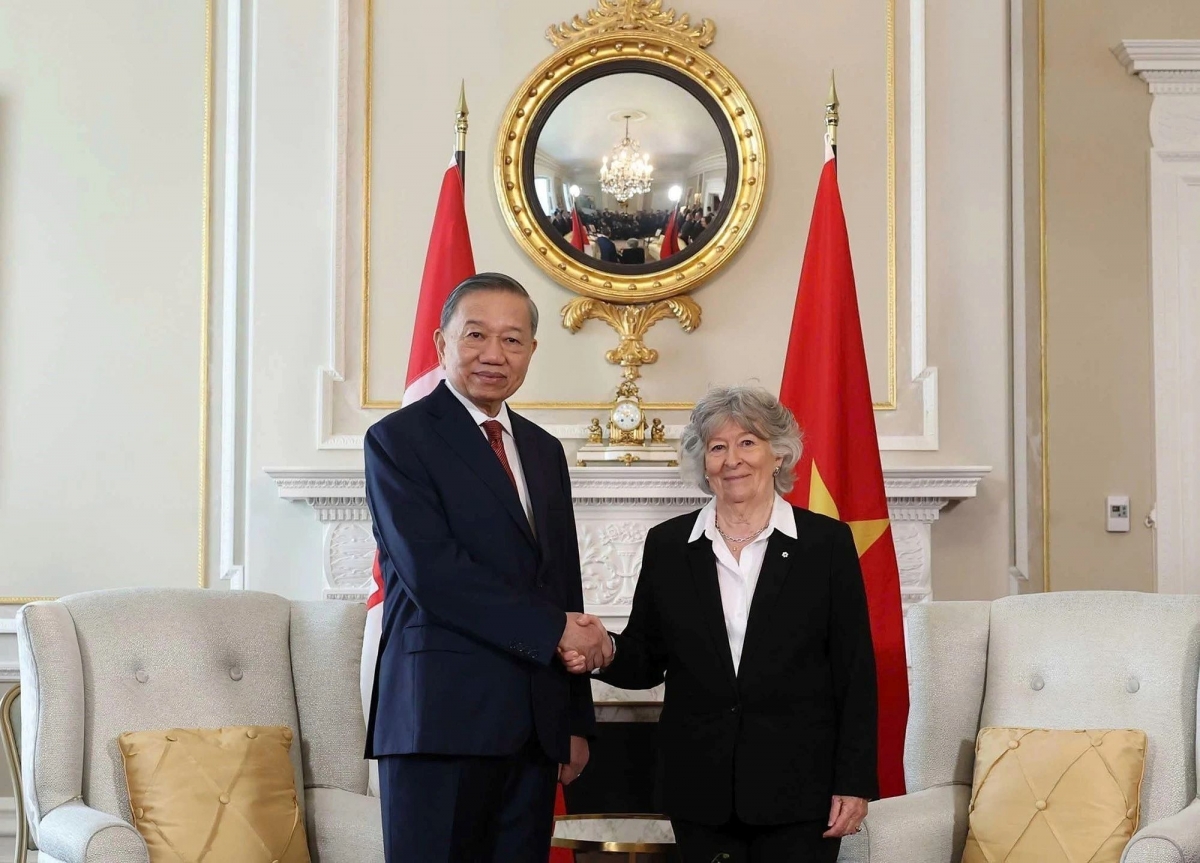
The two sides agreed to promote their relationship based on eight pillars: (1) bilateral, regional, and multilateral cooperation; (2) cooperation in trade, investment, finance, and the economy; (3) cooperation in transportation, supply chain management, and infrastructure; (4) cooperation in digital transformation, artificial intelligence, advanced technology, and innovation; (5) cooperation in energy security, the environment, and sustainable growth; (6) cooperation in food security and the agri-food sector; (7) cooperation in defense, security, maritime affairs, law enforcement, and justice; and (8) cooperation in education, culture, and people-to-people exchanges.
Notably, they agreed to expand cooperation in artificial intelligence, semiconductors, quantum technology, clean energy, supply chains, and the green economy, while strengthening collaboration in defense, maritime security, peacekeeping operations, and the fight against transnational crime.
Collectively, these pillars provide a foundation for Vietnam and Canada to jointly address shared challenges, seize emerging opportunities, and contribute to a more secure, prosperous, and dynamic Indo-Pacific region.
The two countries pledged to enhance cooperation within ASEAN, APEC, the Comprehensive and Progressive Agreement for Trans-Pacific Partnership (CPTPP) and the United Nations. They reaffirmed support for ASEAN centrality and for promoting peace, stability, freedom of navigation and overflight, respect for international law and the 1982 United Nations Convention on the Law of the Sea (UNCLOS).
The foreign ministers of the two countries will work together to develop an action plan for implementing the Strategic Partnership.