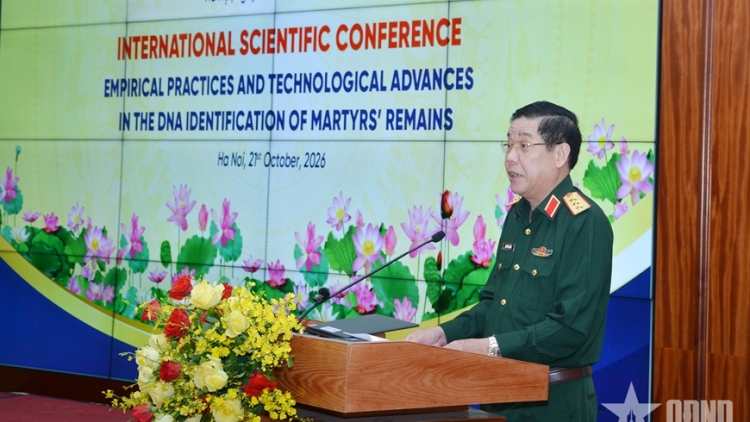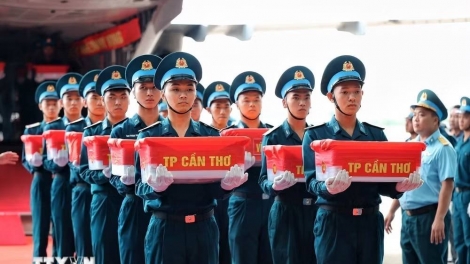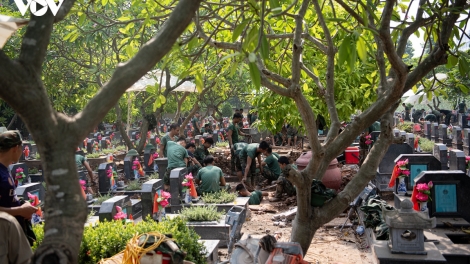




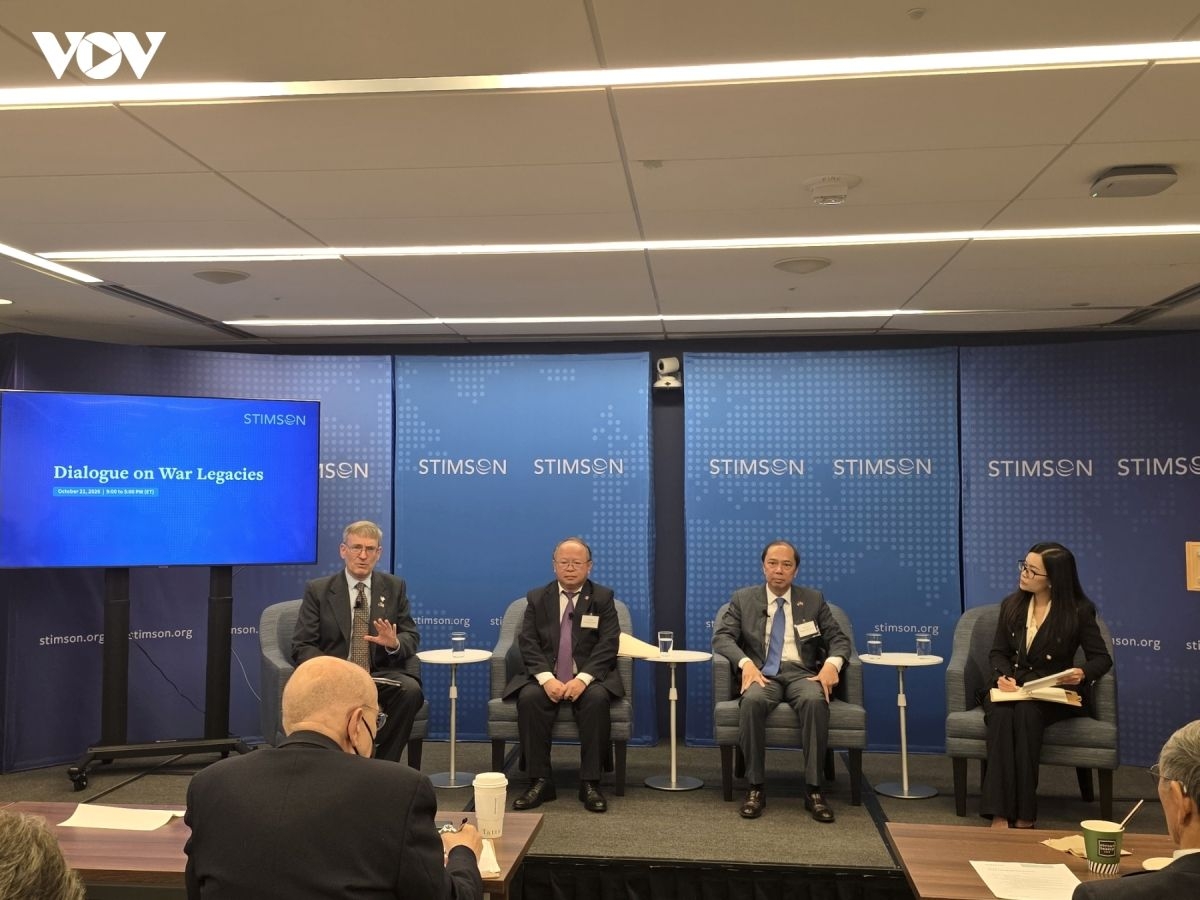
The effort aims to uncover information regarding mass graves and the burial sites of Vietnamese military personnel who perished during the war, he said, calling it a key component of the “500-Day-and-Night Campaign to Search for, Recover, and Identify the Remains of Fallen Soldiers” that Vietnam is carrying out.
Vietnam is mobilizing significant resources for the the campaign which aims to recover 7,000 sets of remains of fallen soldiers, accelerate identification efforts through DNA databases linked to surviving relatives, and conduct demining operations in key former battlefields, according to the Ambassador.
To date, the campaign has cleared over 18,000 hectares of land contaminated by unexploded ordnance—surpassing 81% of its target—while recovering more than 3,600 sets of remains and collecting over 122,000 biological samples to assist in the identification process.
In the near future, Vietnamese experts—in collaboration with Texas Tech University—will return to the US National Archives and Records Administration (NARA) facility in Maryland to continue examining wartime documents that may contain information relevant to the search for missing Vietnamese military personnel, Ambassador Dung added.
He also noted that Vietnam and the United States have signed new cooperation agreements. Under a deal, the US will provide an additional 130 million USD for the dioxin remediation project at Bien Hoa Airbase, bringing the total non-refundable aid to roughly 430 million USD.
Another agreement allocates 91 million USD to improve the quality of life for persons with disabilities in priority localities, with initial implementation set for Ca Mau and Quang Ngai provinces.