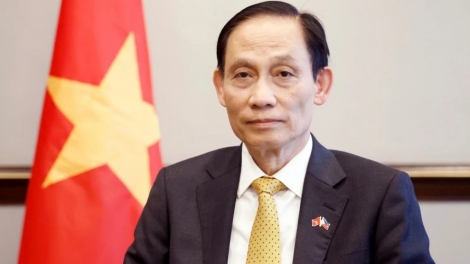




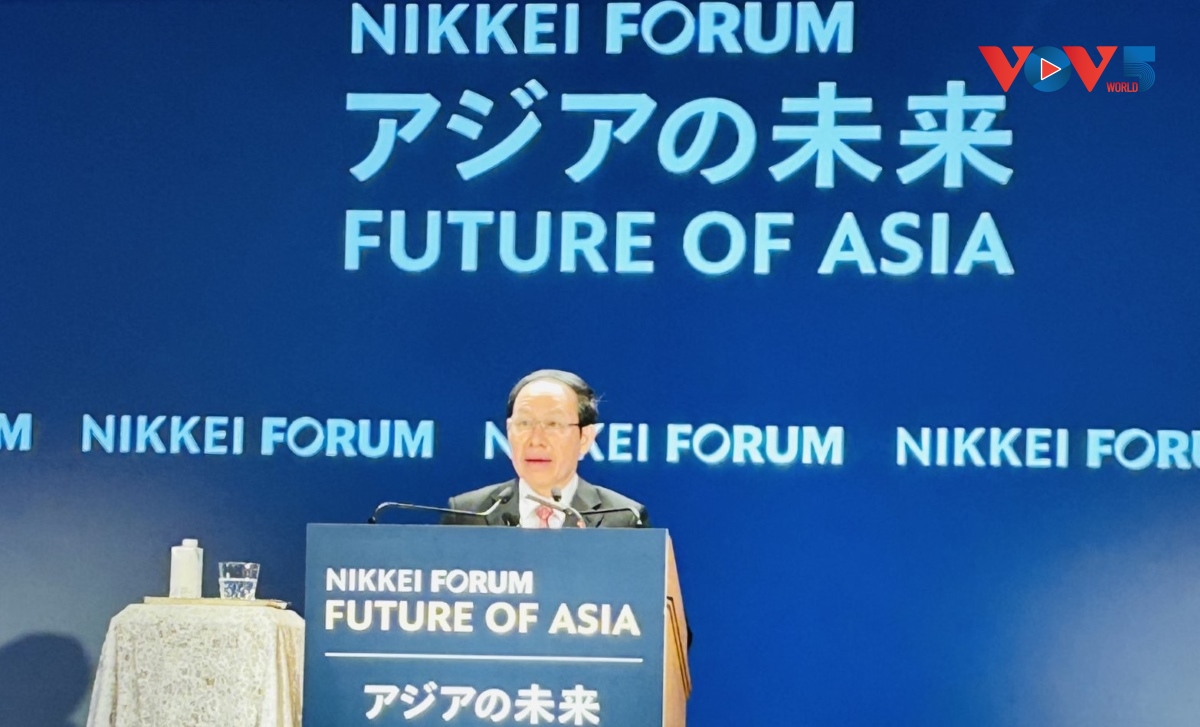
Drawing on Asia’s development journey, he distilled three lessons: resilience is the foundation of sustainable growth, cooperation is the driving force behind a stable and open future, and reform and innovation enables economies to adapt to the demands of a rapidly changing world.
He also highlighted Asia’s three strategic advances: "First, Asia is a vital global hub for manufacturing and supply chains. The region has consistently taken the lead in promoting initiatives that strengthen supply chain cooperation and development. Second, Asia possesses strong endogenous growth potential. With a young population, a rapidly expanding middle class, and high urbanization rates, the region is home to a vast consumer market with significant room for growth. This serves as a strategic buffer that helps sustain economic momentum even when global demand weakens. Third, Asia has a unique opportunity to lead the world in the dual transition of digital transformation and green transformation."
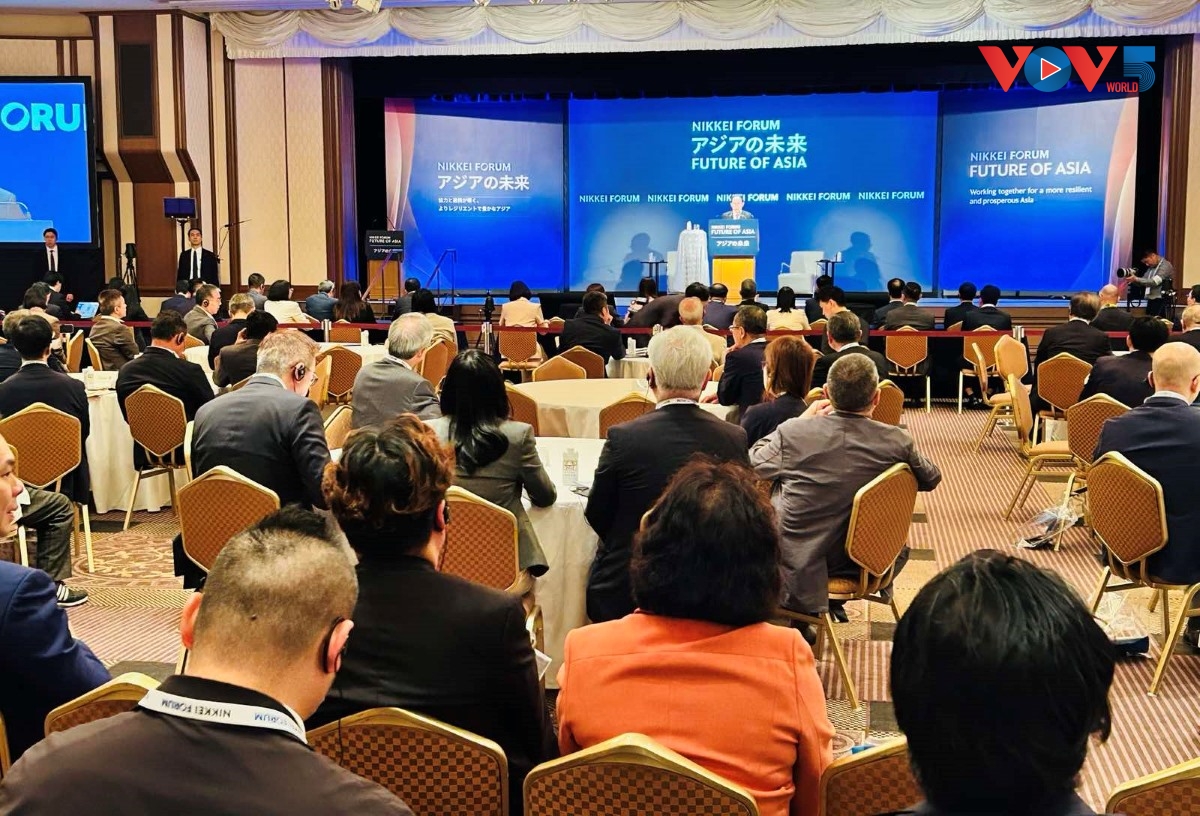
Based on these strengths, Vietnam proposed three key directions for regional cooperation in the coming period including deepening intra-regional connectivity mechanisms, improving institutions, infrastructure, and high-quality human resources to support development goals, and strengthening innovation ecosystems while expanding technological knowledge and digital skills across society.