



The Ho Chi Minh Cultural Space in Cao Bang is expected to bring President Ho Chi Minh’s ideology, ethics, and lifestyle into daily life, work, and education.
Duong Mac Kien, Party Secretary and Chairman of the Truong Ha communal People’s Council, said that honoring President Ho Chi Minh’s revolutionary goes along with developing modern cultural institutions and educating the younger generations.
"Truong Ha is the cradle of the revolution. This new Cultural Space turns history into vivid, accessible lessons,” Kien said, adding that in terms of culture and ethics, it’s a foundation for nurturing the fine values and character of the people of Cao Bang. As a driver of development, with culture becoming a spiritual foundation, people gain greater confidence and aspirations. For young people, it is a good way to foster ideals and appreciation, teaching them to honor the past, act responsibly at present, and build the future," Kien noted.
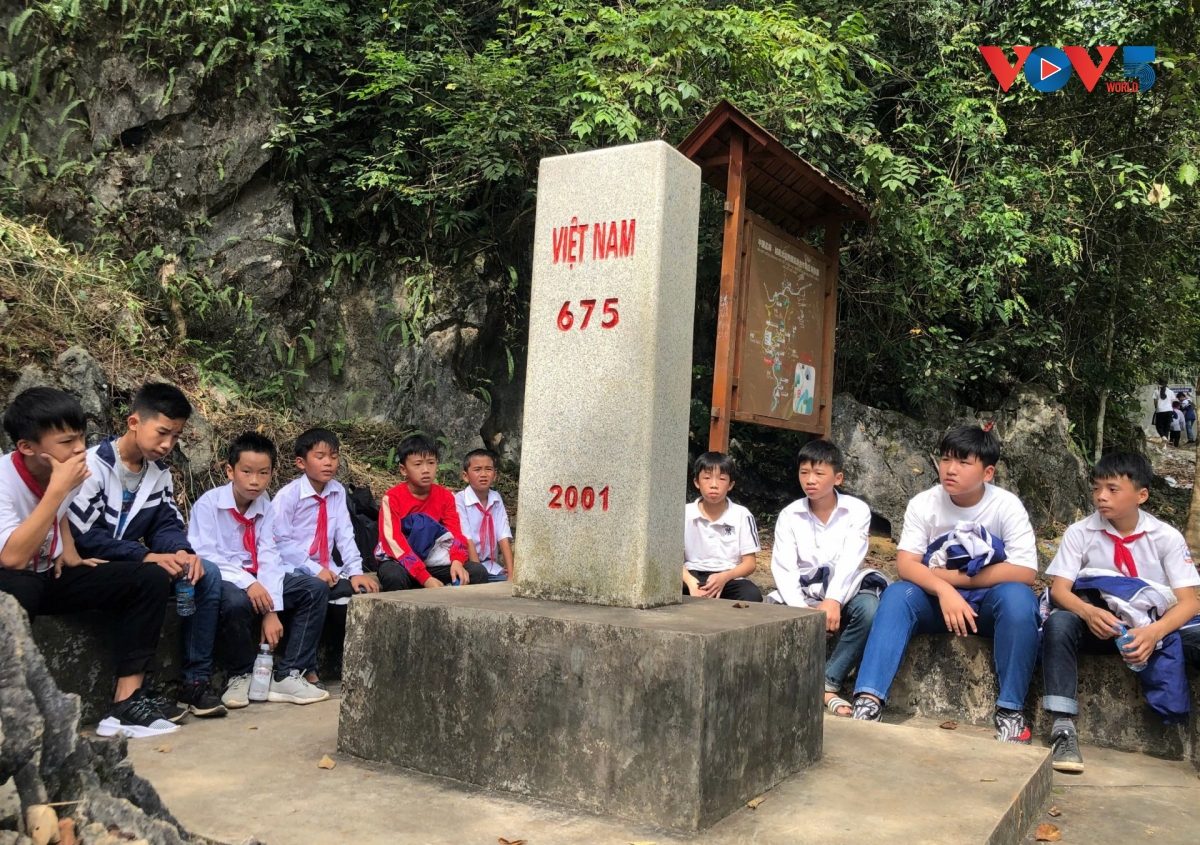
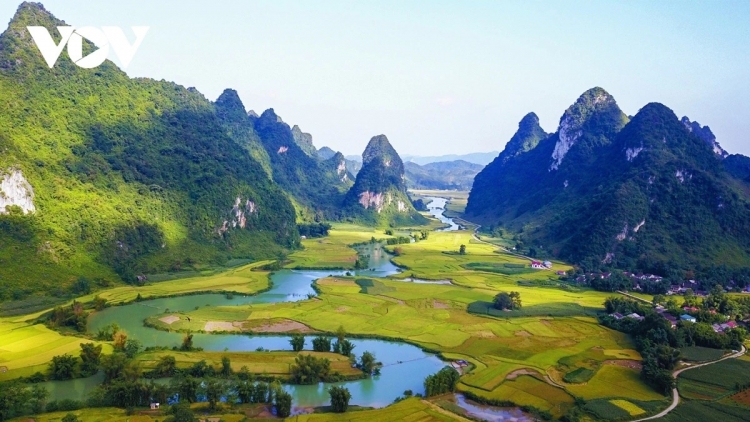
Cao Bang province has designated the Pac Bo Special National Historical Site as the core of the Ho Chi Minh Cultural Space, planning to connect it with "Following in Uncle Ho’s Footsteps" tourism routes from Jingxi and Longzhou in China through Border Marker 108 to Pac Bo, Karl Marx Mountain, and Khuoi Nam Hut.
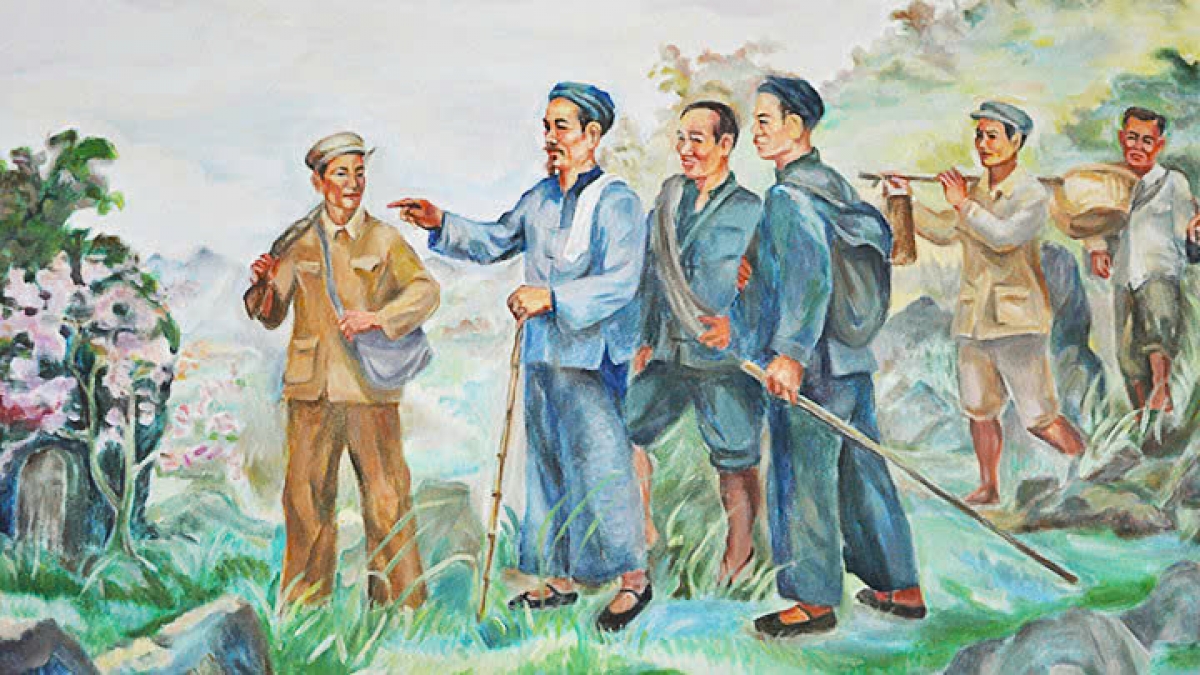
Digital technology is a major feature of the Cultural Space. VR headsets allow visitors to step into the arduous early days at Pac Bo Cave; AR applications bring historical settings to life on site; and 3D models, virtual tour guides, and interactive maps trace President Ho Chi Minh’s journey in search of national salvation.
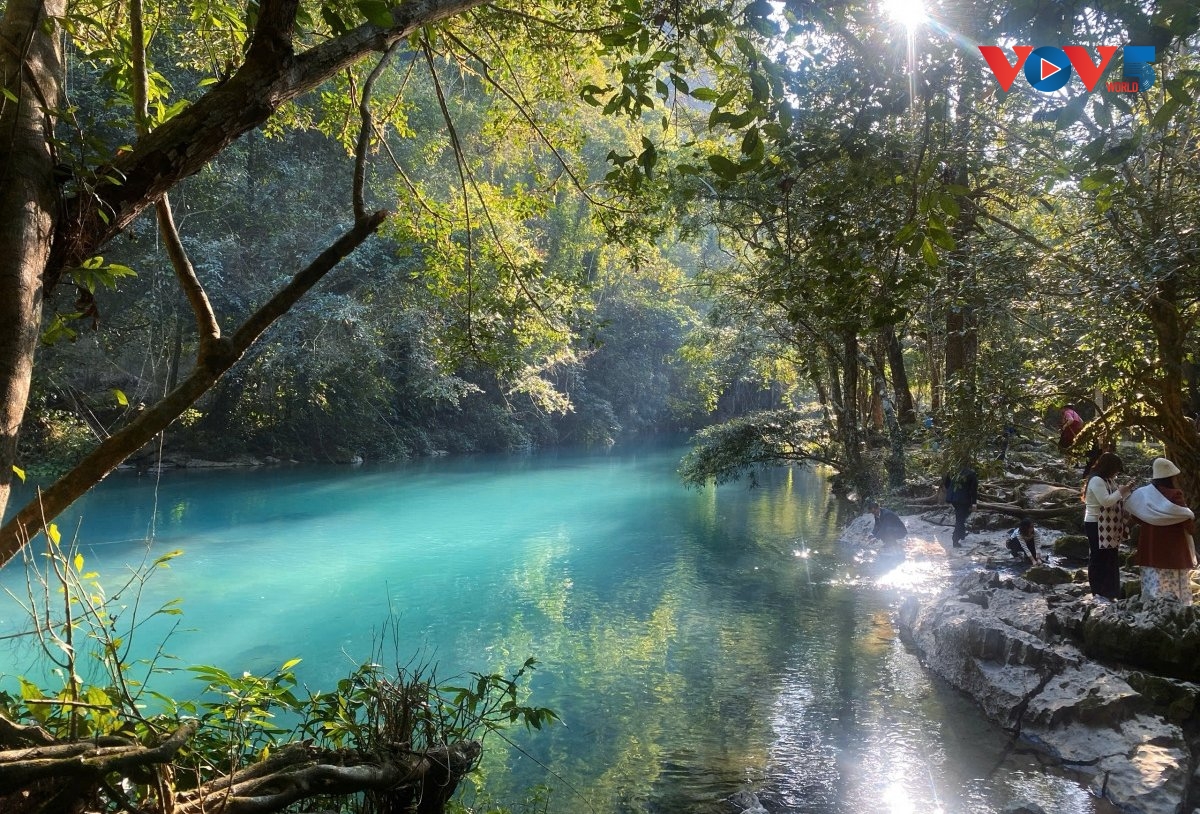
According to Associate Professor Dr. Pham Hong Long of the University of Social Sciences and Humanities, Vietnam National University, Hanoi, leveraging historic revolutionary sites through digital platforms such as AR and VR is a highly proper direction, particularly for young people and international tourists.
“Technology makes history more compelling and accessible. Cao Bang is working with HCMC to use modern technology to trace President Ho Chi Minh’s journey. This could give a major boost to local revolutionary heritage tourism," Long added.
The vitality of the Ho Chi Minh Cultural Space lies in hands-on experiences. Cao Bang has worked with schools and the armed forces to organize study tours and field trips for students and soldiers.
Dao Van Mui, Director of the Management Board of Cao Bang Special National Historical Sites, said: "The Ho Chi Minh Cultural Space in Cao Bang is expected to preserve and promote President Ho Chi Minh’s legacy. Cao Bang is integrating cultural activities into local programs, partnering with educational institutions and military units to organize visits to historical sites, and accelerating digital transformation to bring these heritage values to a wider audience."
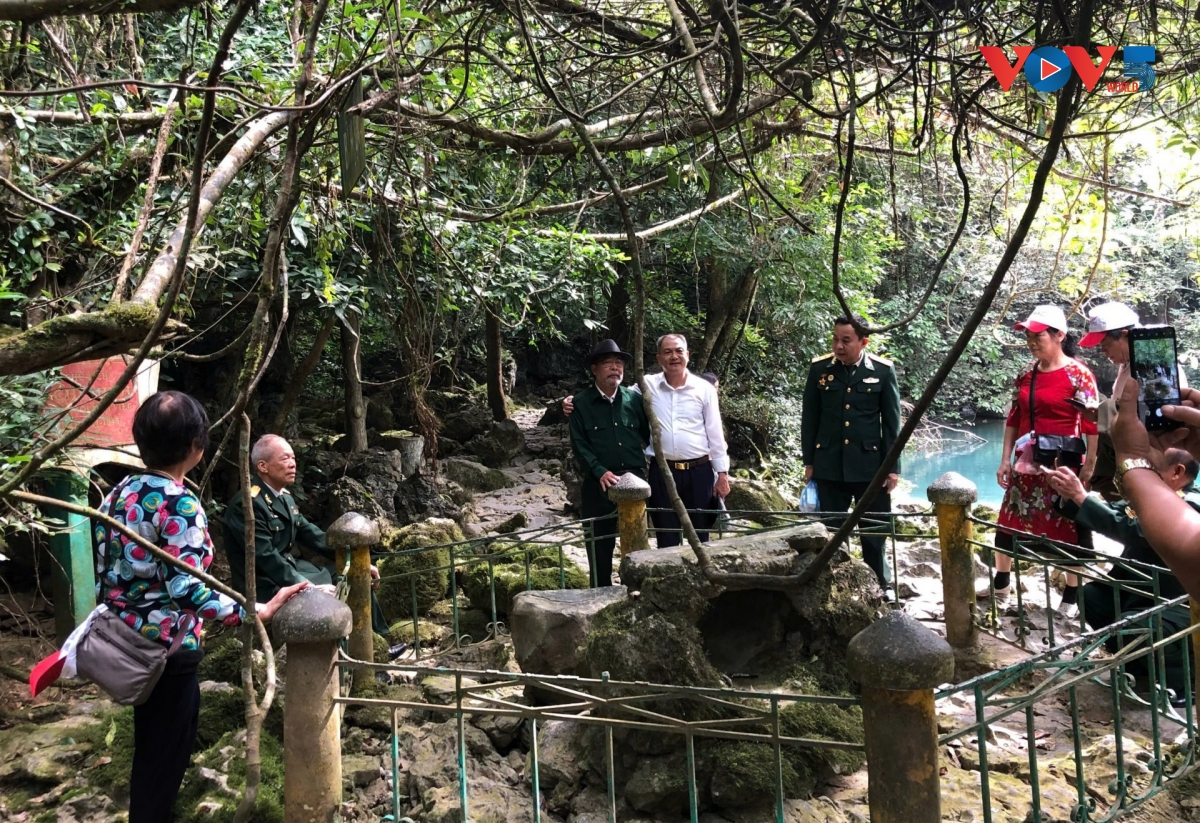
Combining historical and spiritual tourism with eco-tourism will help spread President Ho Chi Minh's vision and legacy while creating jobs and livelihoods for people in the border region.
Nguyen Quoc Trung, Director of the provincial Department of Culture, Sports and Tourism, said, "In expanding the cultural space in Cao Bang, we will continue to honor our historical traditions and President Ho Chi Minh's profound contributions to the national revolution, while strengthening ideological education for young people."
"We will develop 'red tourism' routes and diversify tourism products linked to revolutionary traditions to drive local economic development, create jobs, and preserve the priceless legacy of President Ho Chi Minh in Cao Bang," Trung added.
Cao Bang is making Ho Chi Minh’s ideology, morality, and lifestyle a driving force for sustainable development, positioning the province as a center for heritage education and culture in the Viet Bac region, contributing to realizing Politburo Resolution 80 on Vietnamese cultural development.