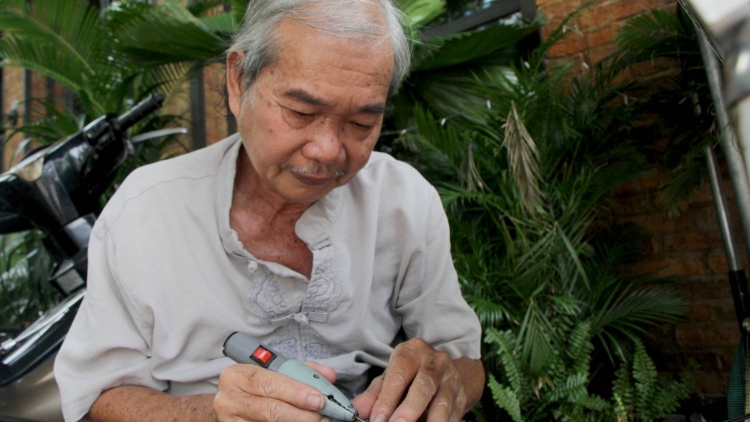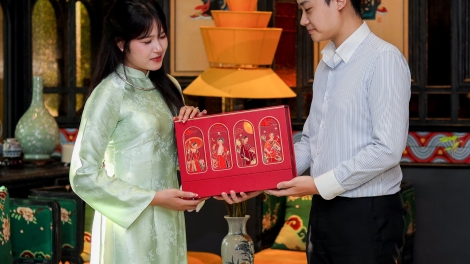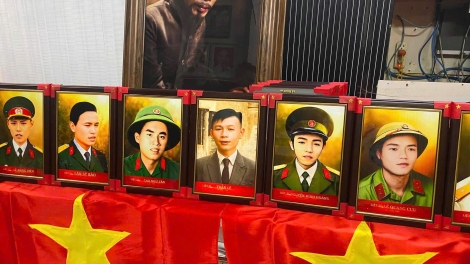




Located in settings ranging from mountain landscapes and coastal areas to communities near the capital, each village has its own character and activities. Yet they all share the same goal: to create communities where people can learn from one another, care for one another and put the values of a meaningful life into practice.
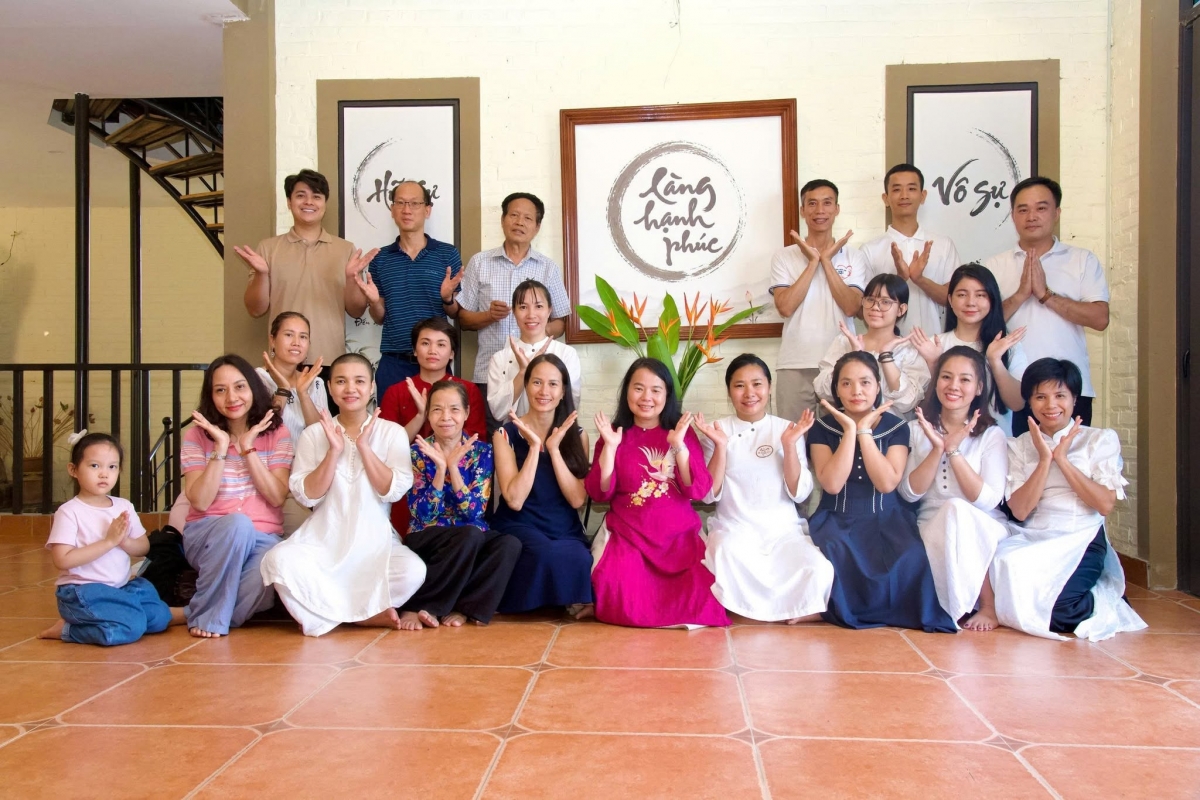
A meal is being prepared at Thach That Happy Village, a new community space on the outskirts of Hanoi. Some people sweep the courtyard, while others chat and lend a hand. No one has to do everything alone. Here, everyday tasks become a chance to spend time together. Visitors are invited not just to look around but to take part — helping prepare a meal, caring for the surroundings or simply spending time with others.
“What I like about this place is the feeling of being welcomed, almost as if we were visiting family. I had been to the Happy Village in Hoa Binh before, and that experience made me want to bring my child here when I heard the Thach That village was opening. It’s green, spacious and full of life. We’ve shared a lovely vegetarian meal prepared by the volunteers, and my child is happily playing with other children. It’s wonderful to see them enjoying themselves in this kind of environment. I’d love to bring my child back again.”
For families like Linh Do’s, Happy Village offers more than a place for a day out. It creates opportunities for children and adults alike to learn, share experiences and connect with others. That is the kind of community Nguyen Doan Kim Son hoped to build when she came up with the idea of Happy Village.
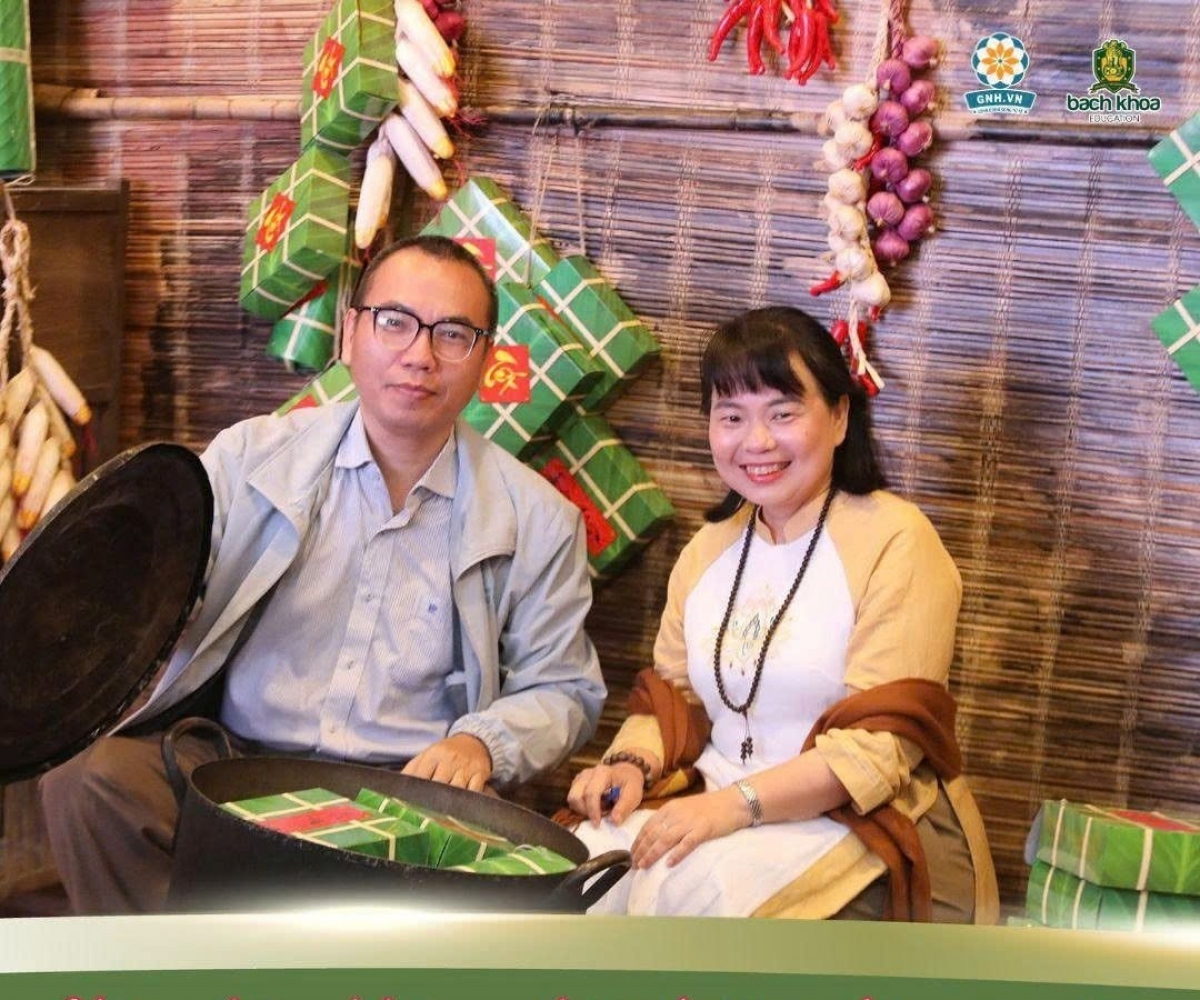
Son founded Happy Village and serves as founder and chairwoman of the board of the Pathway Tue Duc School System. Together with her husband, Tran Viet Quan, a researcher and educator, she has helped develop a model that puts sharing, mutual care and the everyday practice of good values at its heart. The idea grew from Son’s own experience.
“I went through many ups and downs, and there were times when I wasn’t happy. I kept asking myself why I still didn’t feel happy, despite having so much. I had looked for fulfilment through business success and recognition, but there was still a sense of emptiness, and I gradually became disconnected from my husband, my children and my family. I wanted to create a peaceful place where people could learn, understand and practise positive values in their everyday lives. They could come together, learn from one another and apply what they learned to make daily life happier and more meaningful,” Son said.
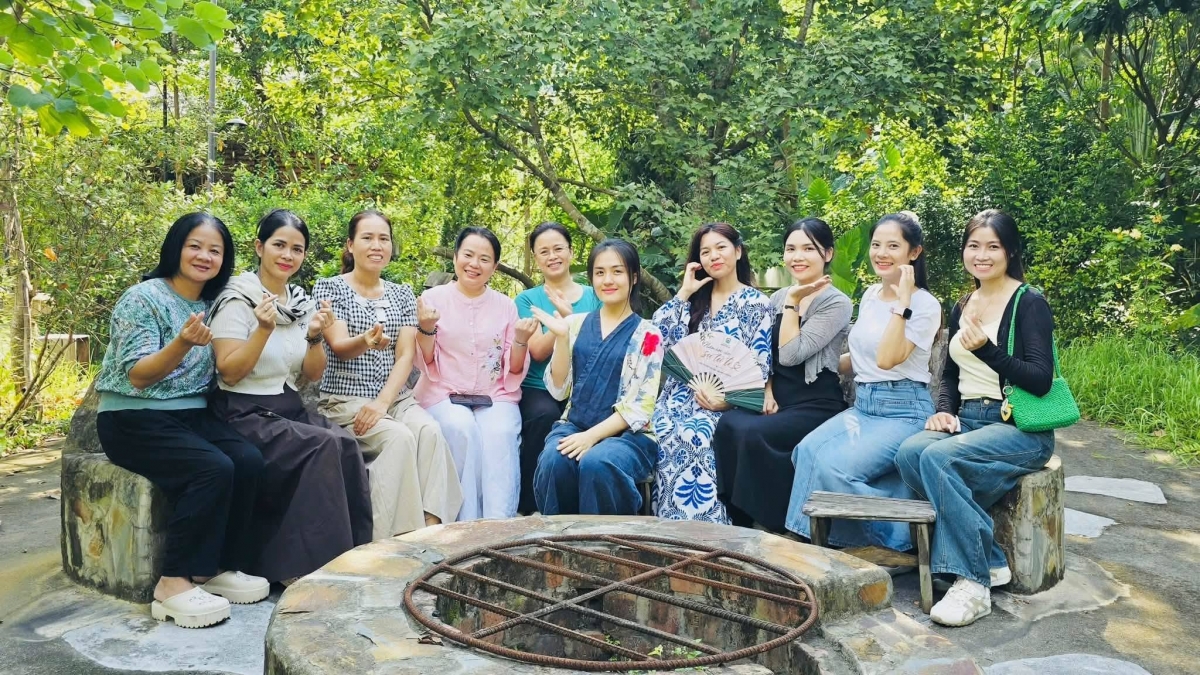
Happy Village is a non-profit project within a series of initiatives dedicated to building a community where people live with kindness and integrity, guided by the principles of Gross National Happiness (GNH).
It is a community-based educational ecosystem that offers experiential learning activities focused on nurturing the body, mind, and intellect; implementing the Happy HomeSchool model; and developing clean agriculture. Happy Village is a positive living environment built on three fundamental pillars: ethics, wisdom, and willpower. Here, people come together to cultivate a way of life characterized by kindness, simplicity, harmony, and self-reliance.
At the center of the model is a straightforward principle: those who have something to give can share it with those who need it. And giving does not have to mean money.
“Some people may have more material resources, while others may need support. Those who have the means can share what they have, including their knowledge, experience or simply their time. Over time, people who receive help may become better able to support others. In this way, giving and receiving become a continuous process, and the people who benefit from the community can also contribute to it in the future,” founder Kim Son said.
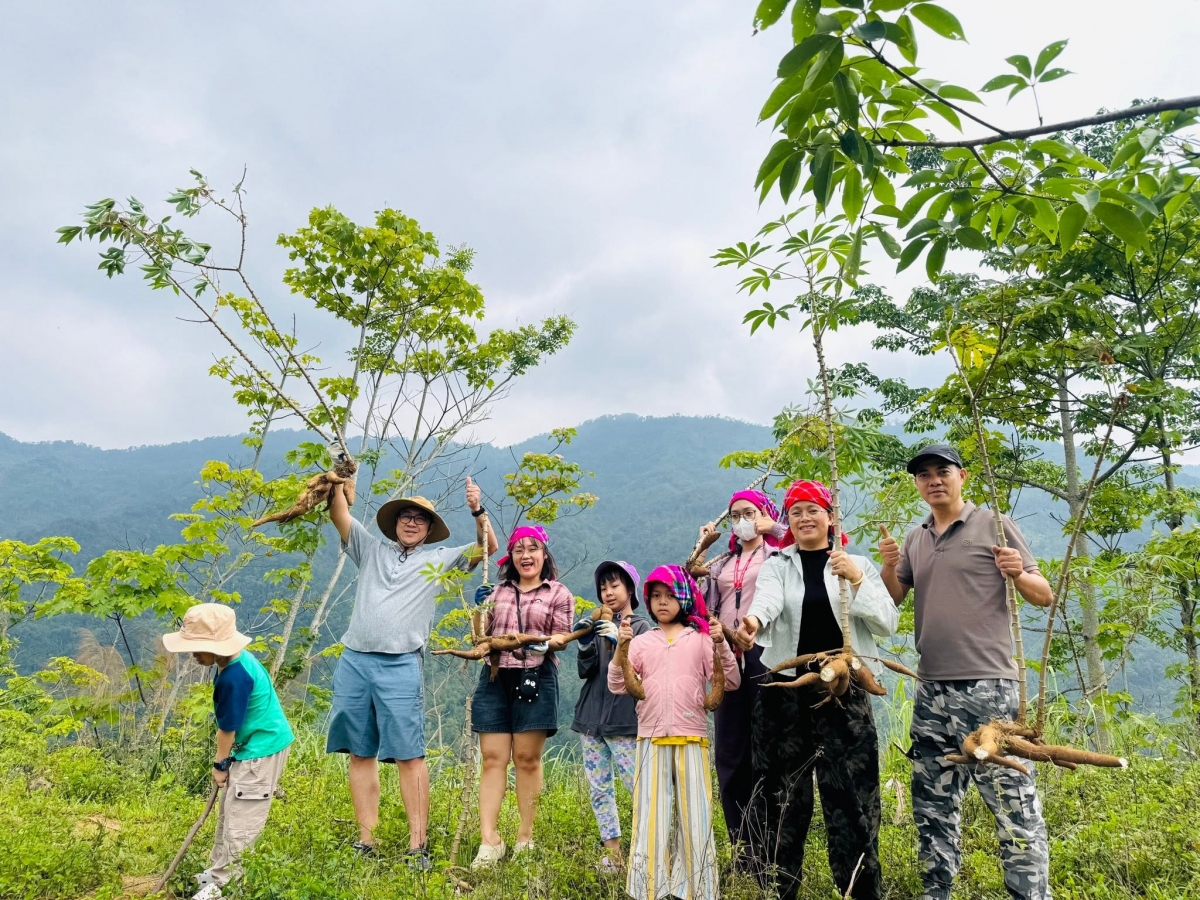
That spirit also shapes how the village operates. Rather than belonging to one person, it is treated as a shared home, where everyone can take responsibility. Phuong Mai, a Hanoi teacher who volunteers at Happy Village, says people do not need a title or a special role to contribute.
“The village belongs to everyone. People can join the activities, help with the work and spend time together. We have programmes on topics such as environmental protection, parenting and reading, as well as activities related to nature and family life. Parents and children can learn alongside one another, and families can take what they experience here back into their everyday lives,” said Mai.
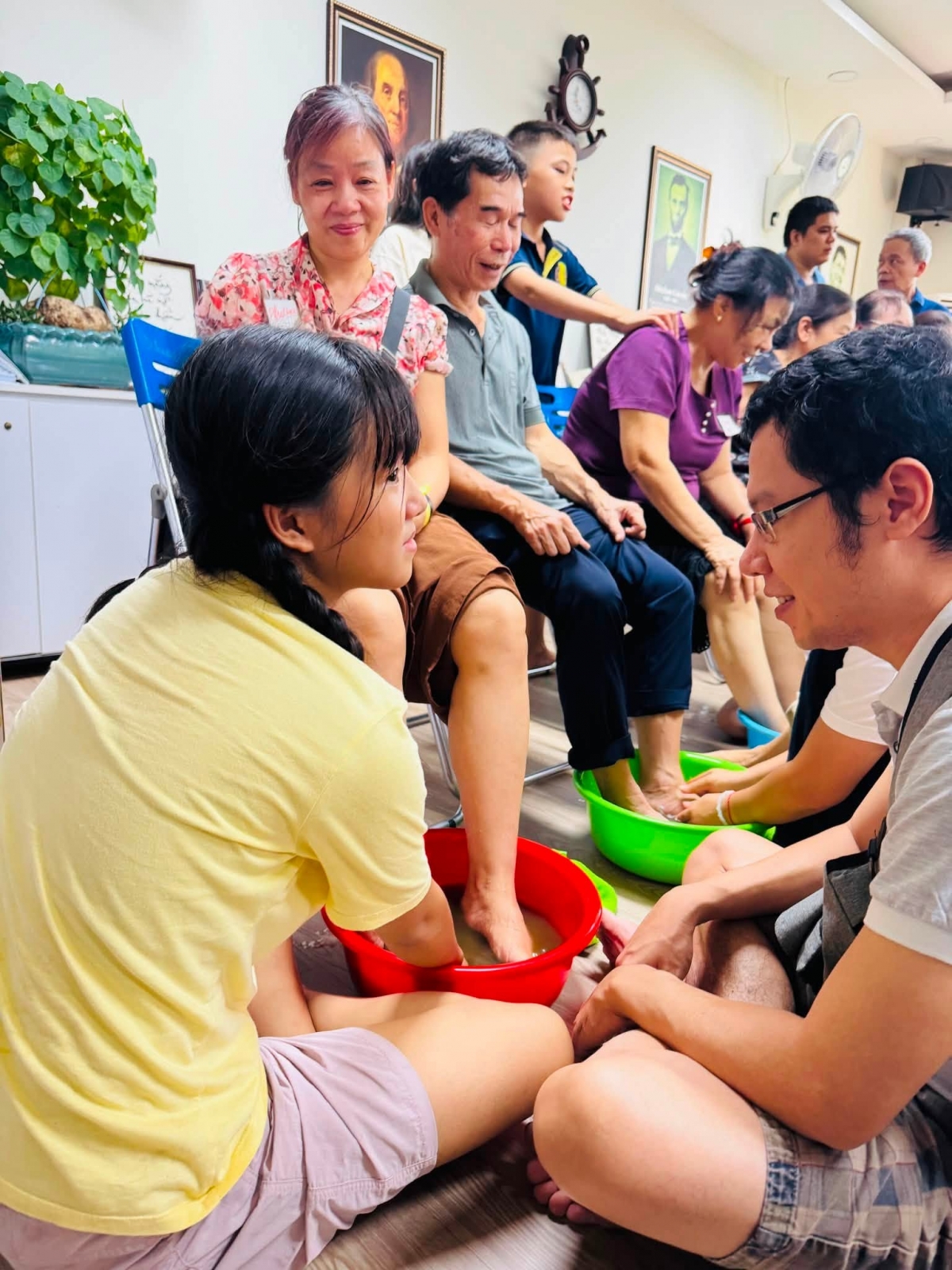
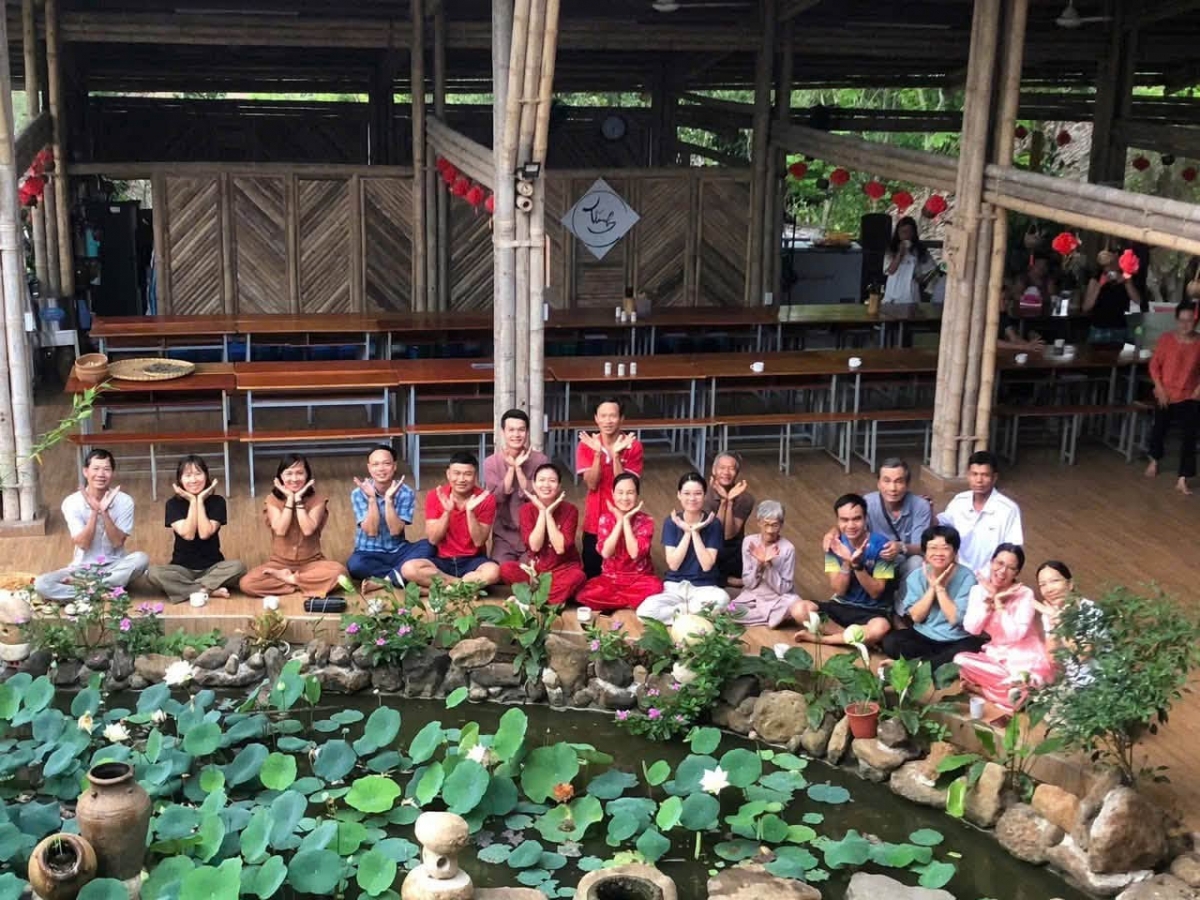
In some Happy Villages, community life also includes activities focused on health and everyday well-being. Visitors may enjoy meals made with wholesome foods, receive traditional medicine consultations, or learn about medicinal herbs and grow vegetables in the garden. For 49-year-old Phung Ba Luu, the lessons of Happy Village began with something even simpler: everyday chores.
“I was told to start with simple tasks, like sweeping the floor, picking up leaves and even cleaning the toilet. I came to understand that these tasks were also a way to put things in order within myself. When I focus on what needs to be done, I become more aware of myself instead of getting caught up in the business outside. I realized that the village was just like my own home,” said Luu.
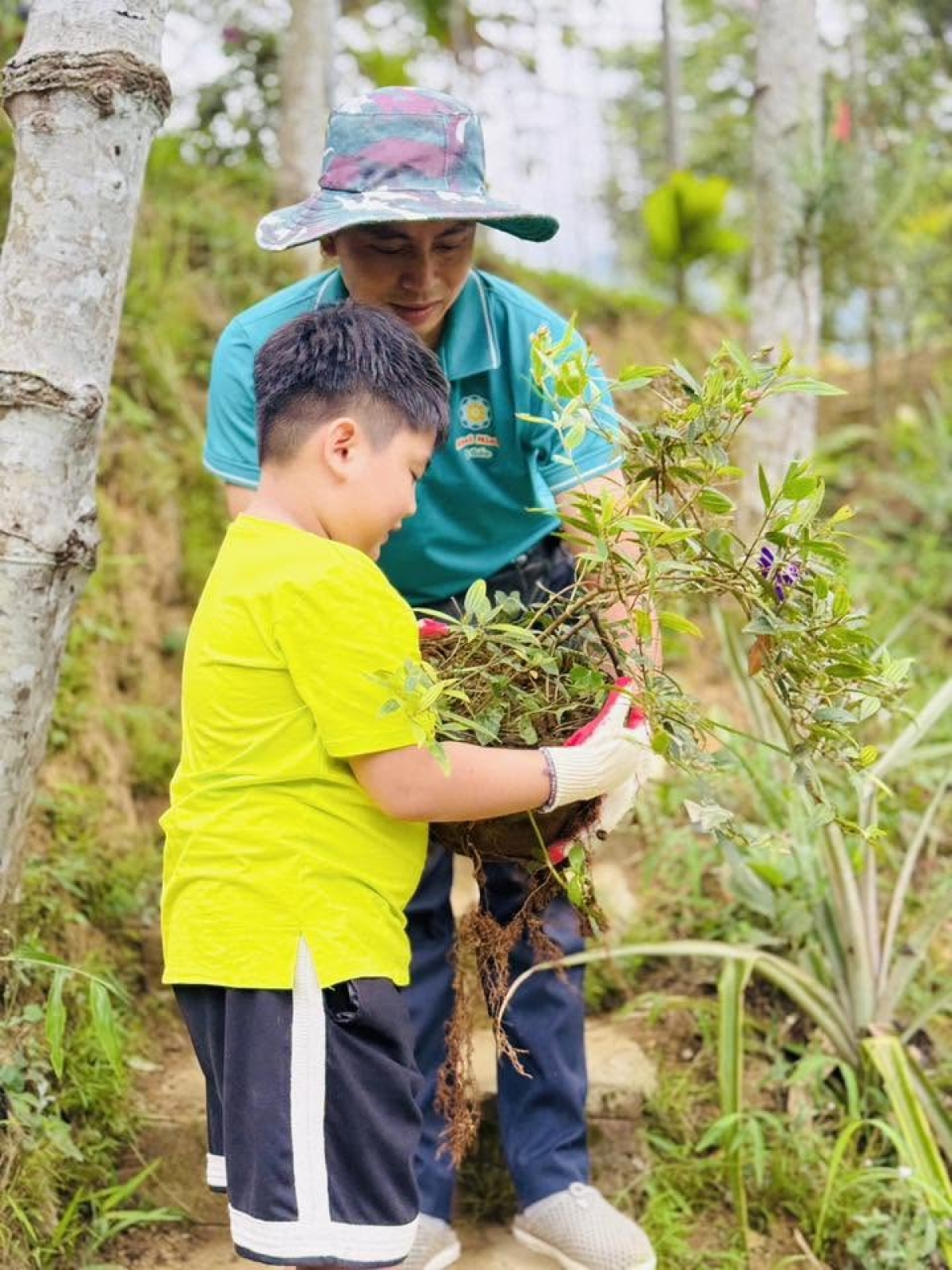
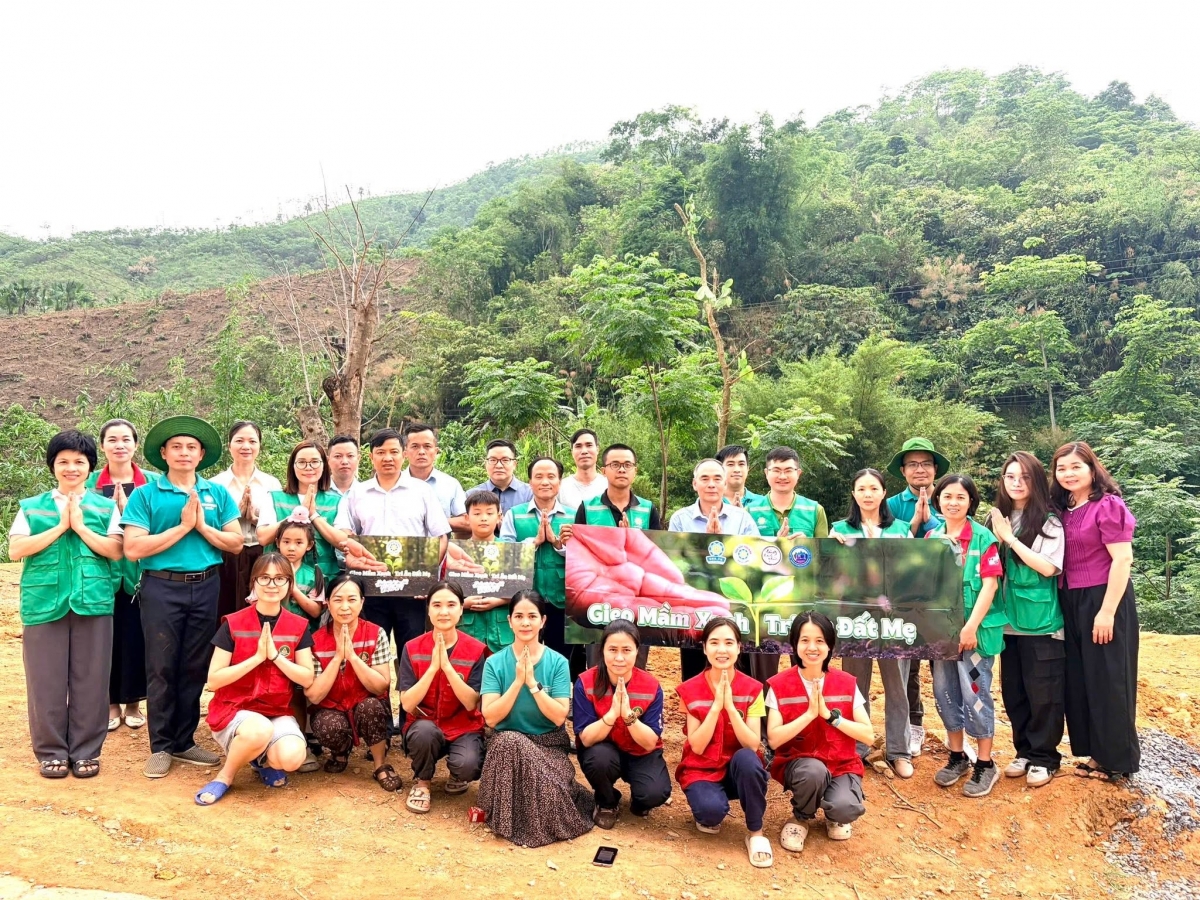
Today, Happy Village has seven locations across Vietnam including Hanoi, Khanh Hoa, Phu Quoc, Quang Ninh, and Ho Chi Minh City. Each has its own character, shaped by its surroundings and the participating people. What connects them is more than a shared setting or a program of activities. It is the belief that everyone has something to offer, and that receiving help can be the beginning of giving to others.
The hope is that what people learn in these villages will travel home with them — shaping how they care for their families, their communities and the people around them.