




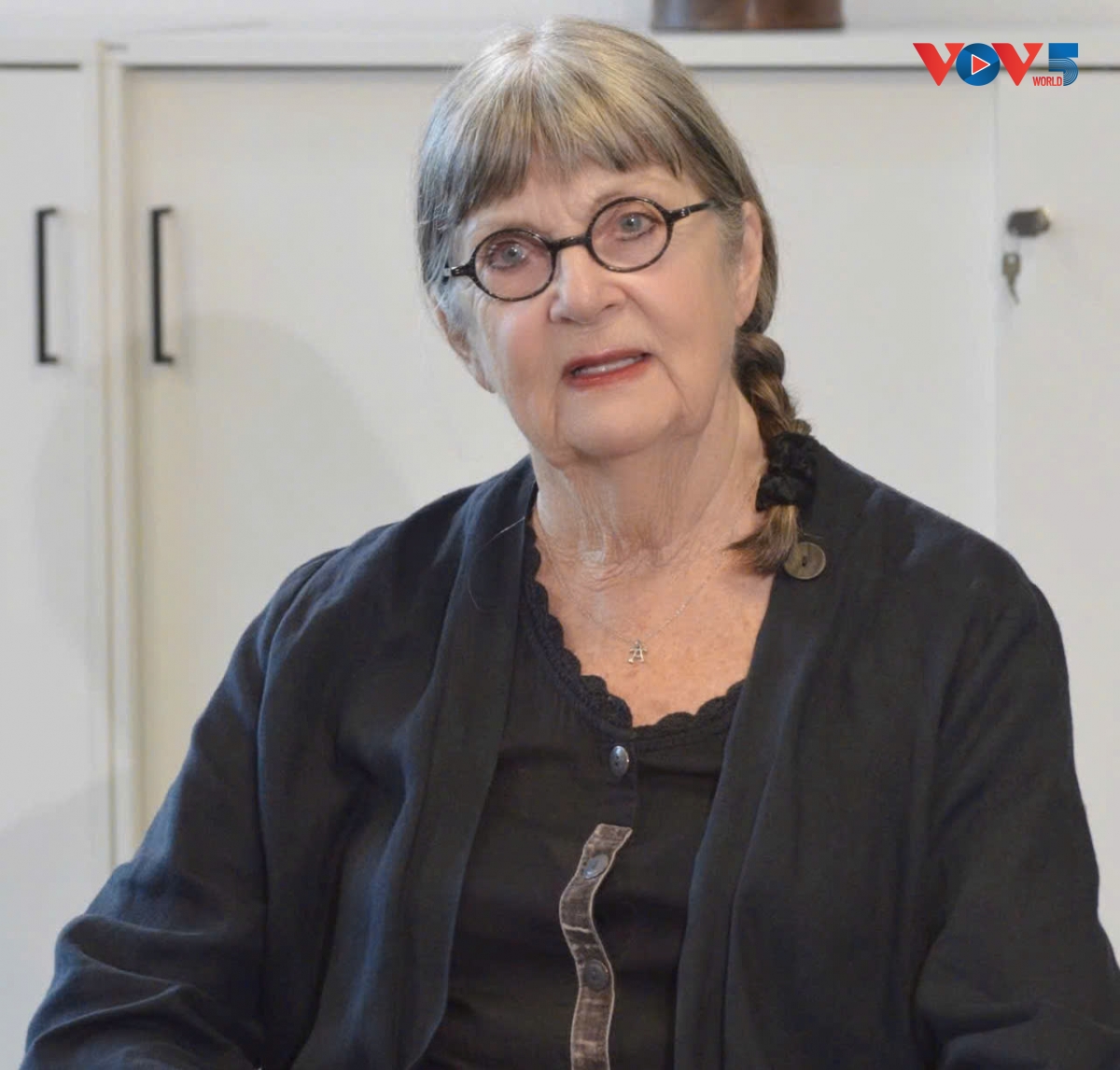
DIRECTOR GUNILLA BRESKY
- Born in 1948 in northern Sweden, Gunilla Bresky studied journalism and film before moving from Swedish Radio to documentary filmmaking in 1996.
- Known for human-centered documentaries exploring wartime memory, women’s resilience, and Arctic indigenous culture, she has worked across Sweden, Norway, and Russia.
- Her notable films include Witches of the Night (2008), about female Soviet bomber pilots in WWII; I Stop Time, winner of the 2014 Tempo Documentary Award; and Son of the Sun(2017), about Sámi artist Nils-Aslak Valkeapää.
- In 2019, she released Sara with All Her Being, a portrait of the Swedish author and activist Sara Lidman.
Beyond the legend - A voice born from the diary
In 1950s Sweden, Sara Lidman rose from a small rural village in Northern Sweden to become a literary icon. Yet director Gunilla Bresky decided not to make a conventional biography filled with dry historical commentary or political speeches. Instead, she built the entire film around Sara Lidman’s private diaries and her own voice.
For Director Bresky, bringing Vietnam into the center of the film was not just an artistic choice. It was a personal calling rooted in her very first meeting with Sara in 1971.
"Originally, the first time I met Sara, I was very young—it was in 1971. I was a young journalist and I was asked to be Sara's driver for one week as she toured the country. In every village and town, crowds of workers, women, and students gathered to listen to Sara speak about Vietnam. People started to cry listening to her language and her passion,” Bresky recalled.
“When I set out to make this film, I knew it would be completely wrong to make a documentary about Sara and not put in Vietnam. My film is based on her diaries written during her trips here. The only voice guiding the audience throughout the film is Sara’s own voice from her diary," she said.
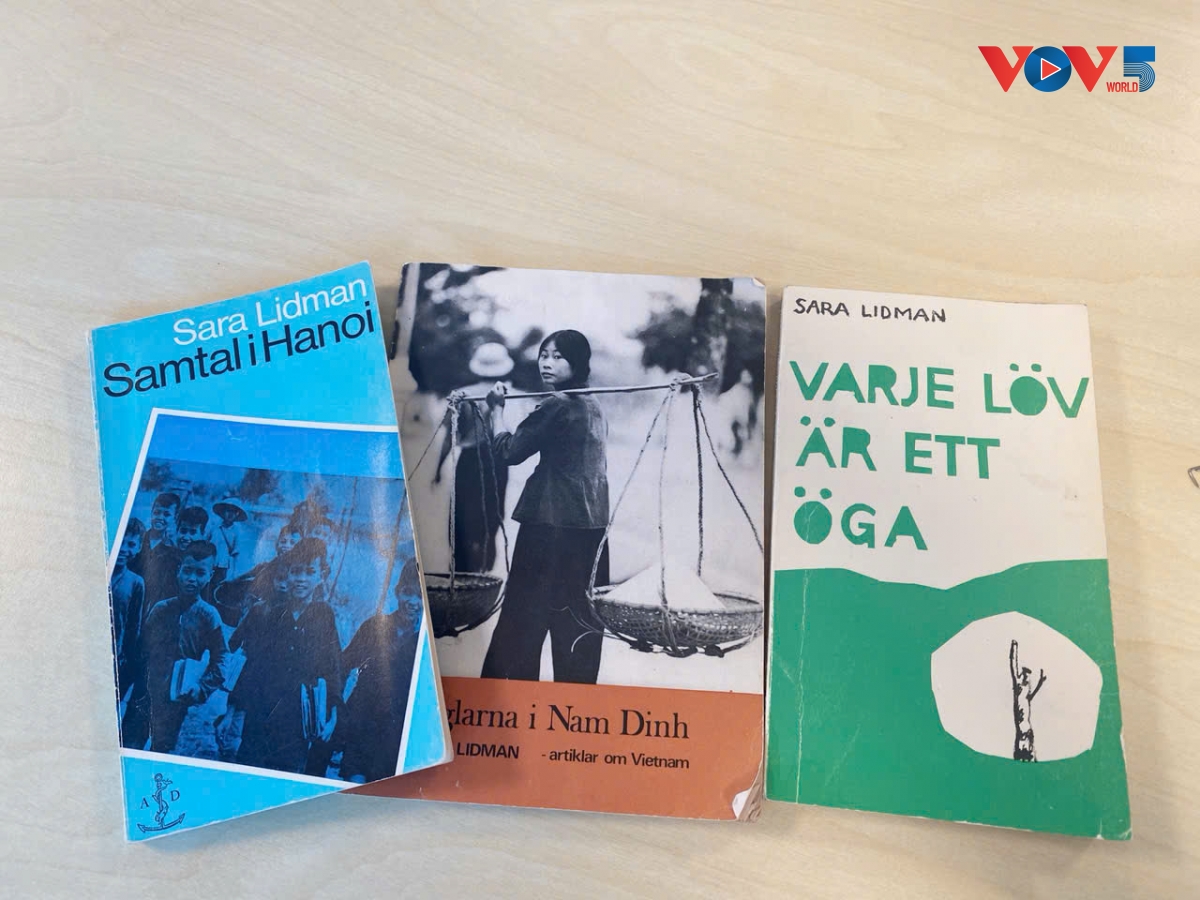
The war through Sara’s lens: courage and dignity
Between 1965 and 1980, Sara Lidman traveled to Vietnam five times. During Vietnam’s anti-US war, she took trains through Chinese border crossings under air-raid sirens, clutching her manual typewriter in her arms like a baby as bombs fell nearby.
Through her diary entries, Sara captured the raw human reality of wartime Vietnam—not through abstract military statistics, but through stark, unforgettable human details.
Director Gunilla Bresky explains how Sara’s storytelling revealed the true spirit of the Vietnamese people to Western audiences, "Sara had a very special way of telling stories about people—with such beautiful language that you felt as if you had met them yourself.”
“What she captured above all was the dignity of the Vietnamese people. They were so brave, not aggressive, and not full of hatred; they were preserving life and culture amid destruction."
That dignity and poetic clarity shine through in this haunting excerpt from the documentary, where Sara reflects on the belongings of a downed American pilot brought to her in Hanoi.
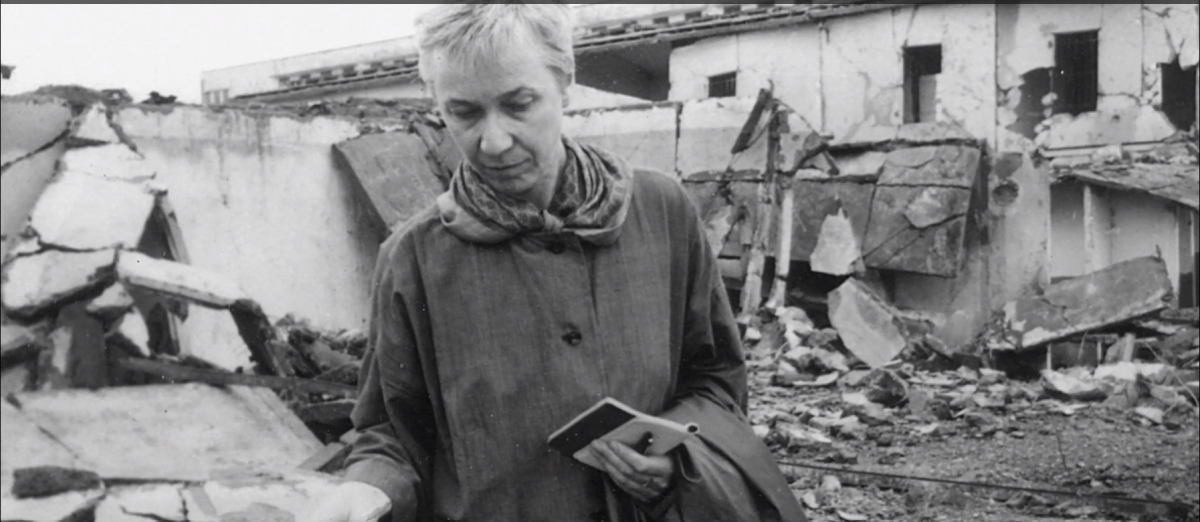
Sara Lidman’s diary entries and reportage forced Western readers to confront the tragic realities of war. By contrasting a pilot's prayer with his anti-personnel cluster bombs, her writings shattered illusions and helped ignite a massive anti-war movement across Sweden, inspiring thousands to march in the streets and prompting Swedish Prime Minister Olof Palme to openly denounce the bombing of Hanoi.
From literary rhythm to film
Translating Sara Lidman’s prose into cinema posed a major artistic challenge. Her writing possessed a unique northern Swedish cadence and poetic rhythm.
To honor this authenticity, Bresky took two breakthrough creative steps: first, she cast a northern Swedish actress whose dialect perfectly mirrored Sara’s authentic voice; second, she collaborated with a composer to record a live symphony orchestra performance inside a historic opera house to accompany the archive footage.
"Sara was coming from a small village in the north and she kept this way of talking Swedish all the time. You could hear that she had this tone of the dialect. So putting her voice in the film, I had to find an actress who was talking like her and there is one. Of course, there are Sara's voices from clips in radio or in TV and people who have watched the film say they cannot say when it's the real Sara or when it's the actress,” Bresky told VOV.
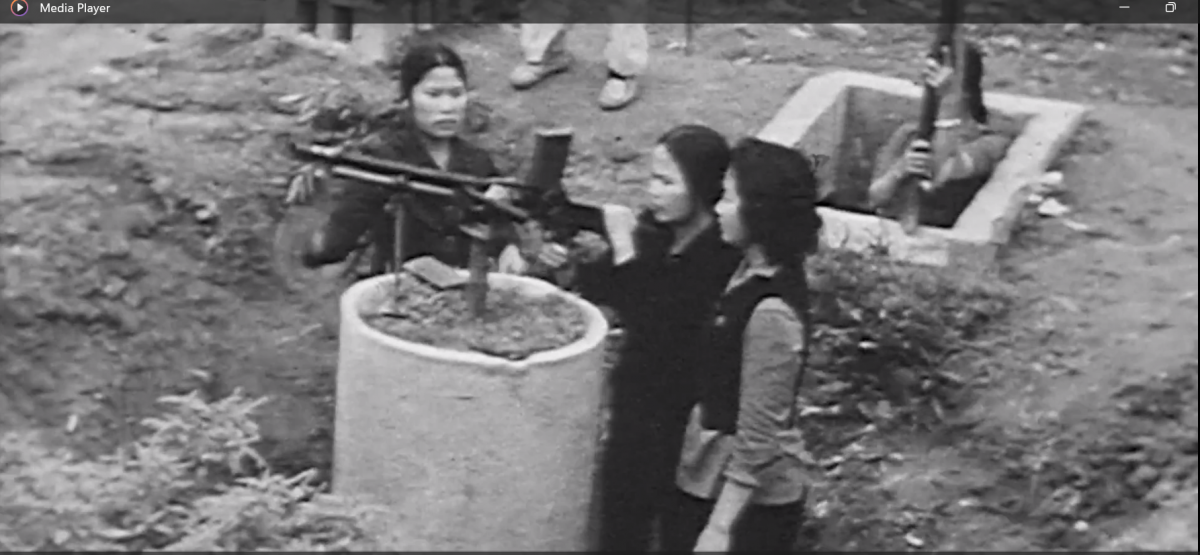
A message connecting Nordic hearts with Hanoi
As Gunilla Bresky introduces Sara with All Her Being to audiences here in Hanoi, one might ask: what connects a 20th-century Swedish author from the Arctic wilderness with listeners and viewers in Vietnam?
Here is Bresky’s answer, “I think I couldn't dream of anything better to be able to come here to show the film to you because Vietnam was so close to Sara's heart. So I have the feeling that it's not only me who is here. Sara is with me now. In addition, I want them (Vietnamese audience) to know this person Sara and understand that she was a great friend of your country.”
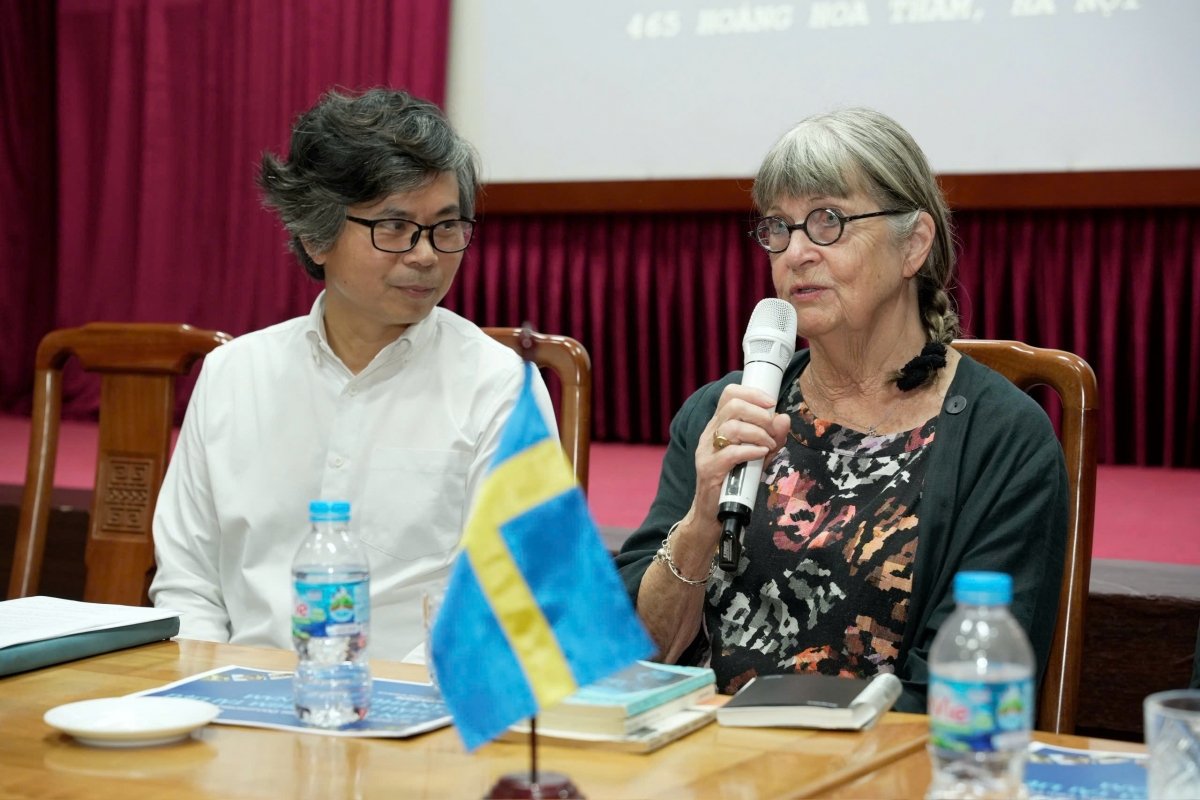
During Gunilla’s time in Hanoi, she also met young filmmakers and shared her experience of storytelling, history, and memory. Through Sara Lidman’s pen and Gunilla Bresky’s lens, the courage, dignity, and shared humanity of the Vietnamese people were put into focus and continue to enlighten audiences around the world.
Sara with All Her Being has received international recognition, including the Gemma Firsova Award for Best Film on a Social Philosophical Theme. The film will be screened free of charge at 7:40 p.m. this Friday at two venues simultaneously: the National Documentary and Scientific Film Studio, 465 Hoang Hoa Tham Street, Hanoi, and DCINE Cinema, 6 Mac Dinh Chi Street, Ho Chi Minh City.