



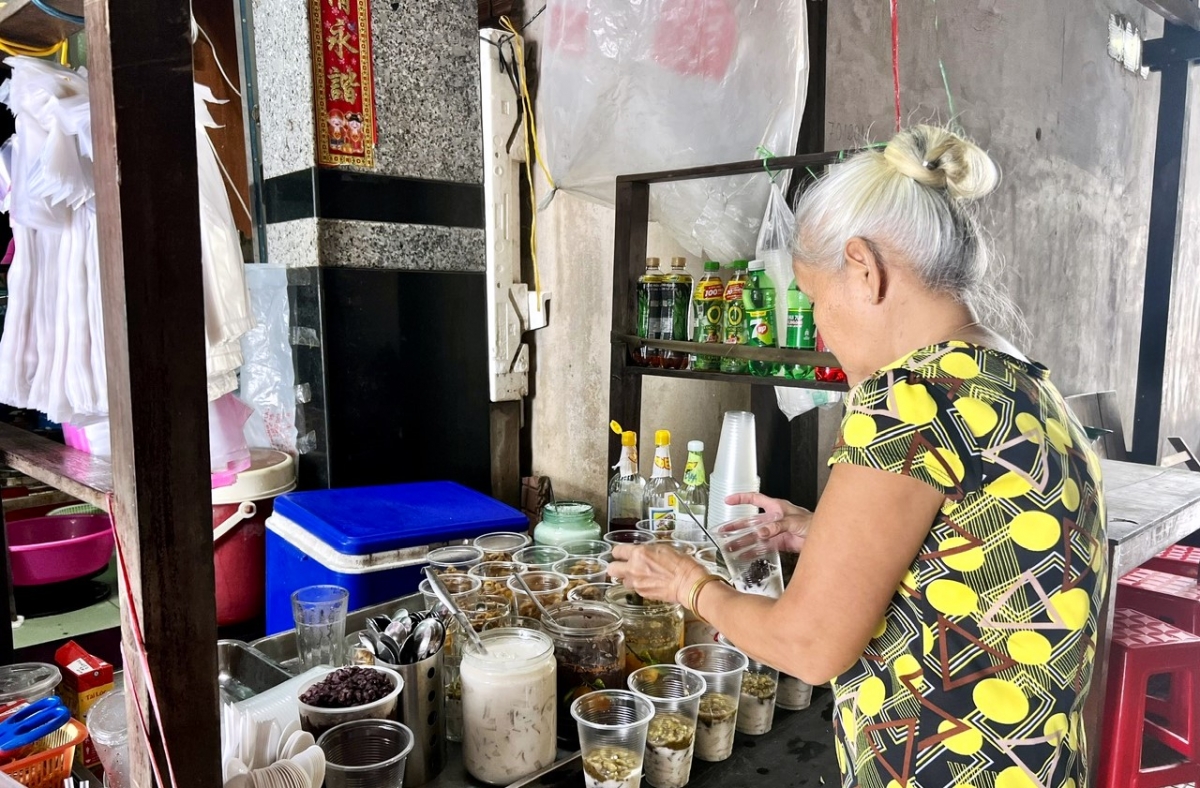
Located at the end of a narrow alley in Ward 2, overlooking the Ca Mau river, Ong Du’s iced sweet bean shop is always busy. The shop is run by two women nearing 70, who nimbly prepare glasses of dessert for the customers.
The two younger sisters of Mr. Du have taken over their brother’s wooden cart and continue to serve locals and visitors the familiar combination of beans and shaved ice.
Ngo Thi Yen, one of the owners, recalled, “Back then, my brother and mother ran the shop. Now my mother has passed away, and my brother has fallen ill and retired. It’s just the two of us left. We’ve been selling for 54 years. We offer desserts made from mung beans, red beans, tapioca shreds, pineapple, and banana. If customers want a mix, we simply add everything in.”
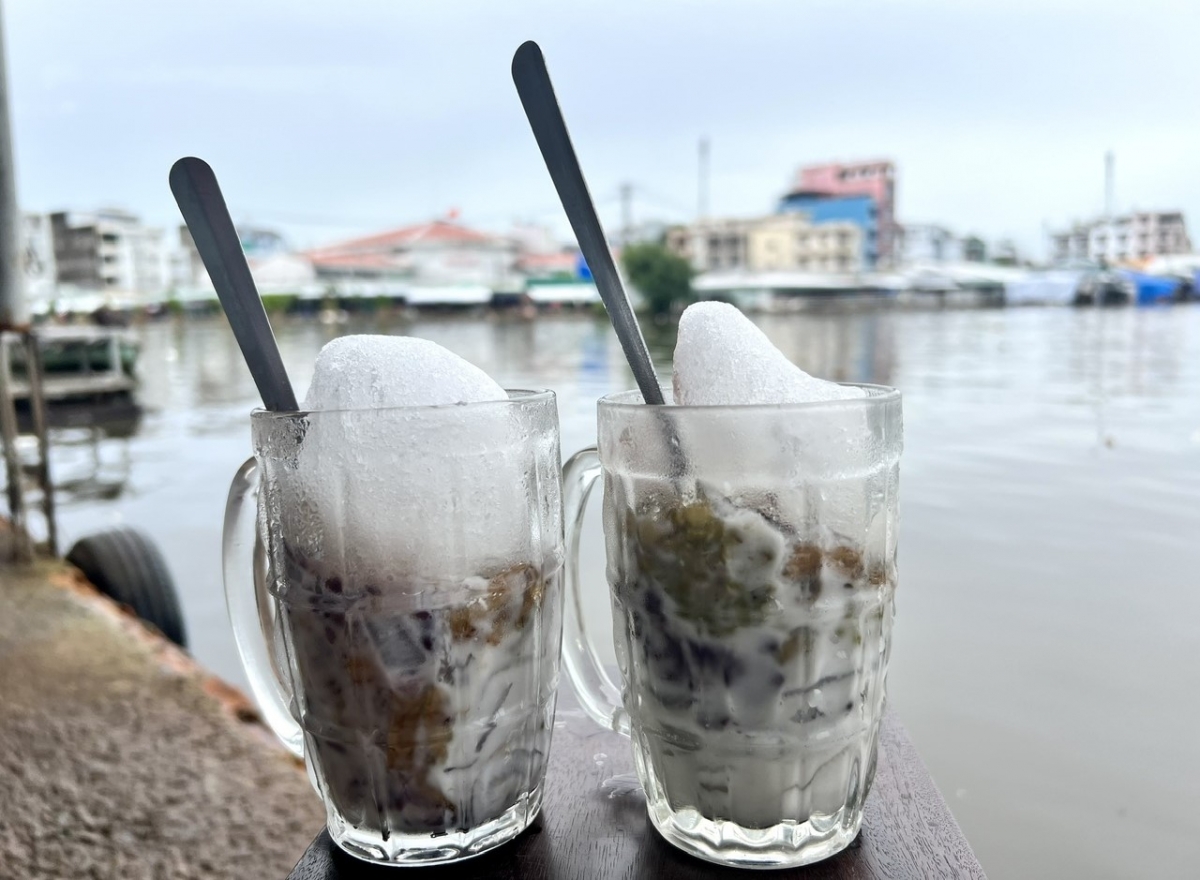
For many Ca Mau locals, iced sweet bean ice dessert is the taste of childhood. It recalls days when children, given a coin by their mothers, would stop by for a refreshing treat.
Truong Thi Tu Trinh, a returning customer, told VOV, “Coming back home today, I chose this place because it’s quiet and I can look out at the river. I’ve known this shop since middle school. Now, whenever I return from Ho Chi Minh City where I study, I make sure to stop by again.”
The shop offers an airy riverside view of sampans and ferries plying back and forth. In the distance, Ca Mau Market recalls the rhythms of life in the Mekong Delta decades ago.
With the shop gaining attention from social media influencers, visitors from afar are seeking it out to experience its traditional flavors and nostalgic atmosphere. Nguyen Thi Thuy is from Dam Doi commune in Ca Mau, trying the dessert for the first time.
“Many people online recommend this as a must-visit spot in Ca Mau. I found it quite special and wanted to try it. It’s unique. I haven’t had anything like it elsewhere. Though iced bean sounds familiar, here it’s combined with many other ingredients. The scenery is also beautiful, very nostalgic of old Ca Mau,” said Thuy.
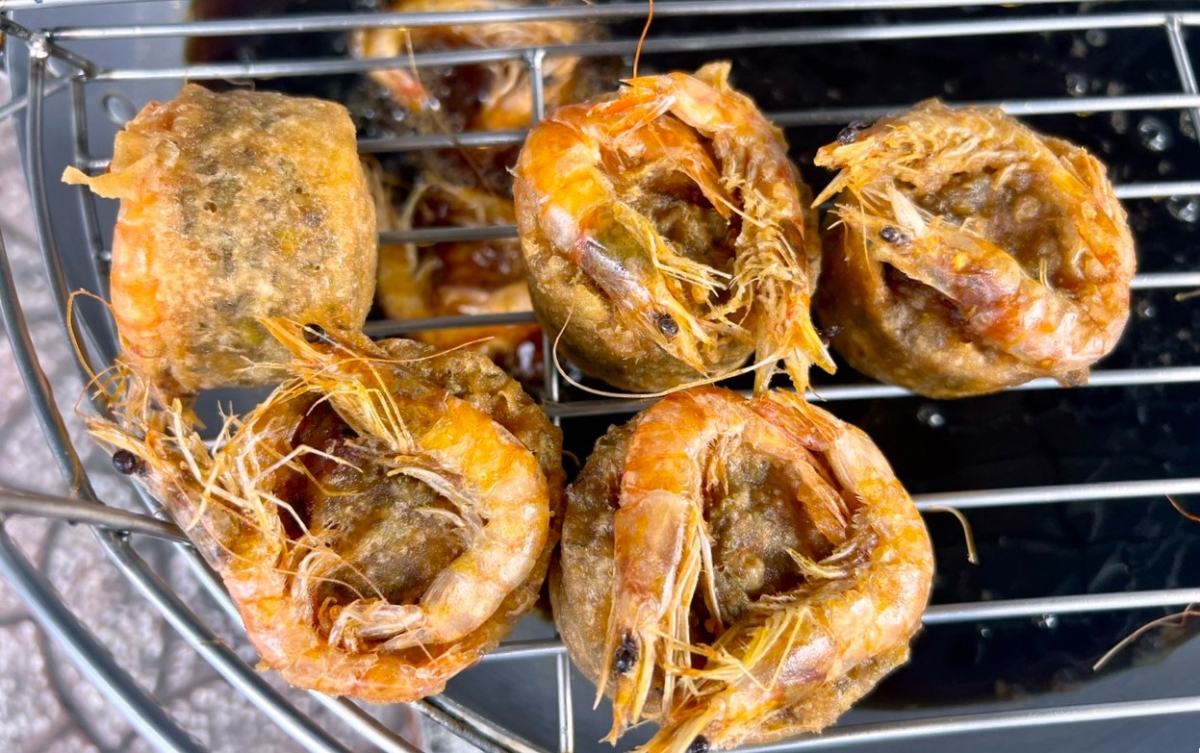
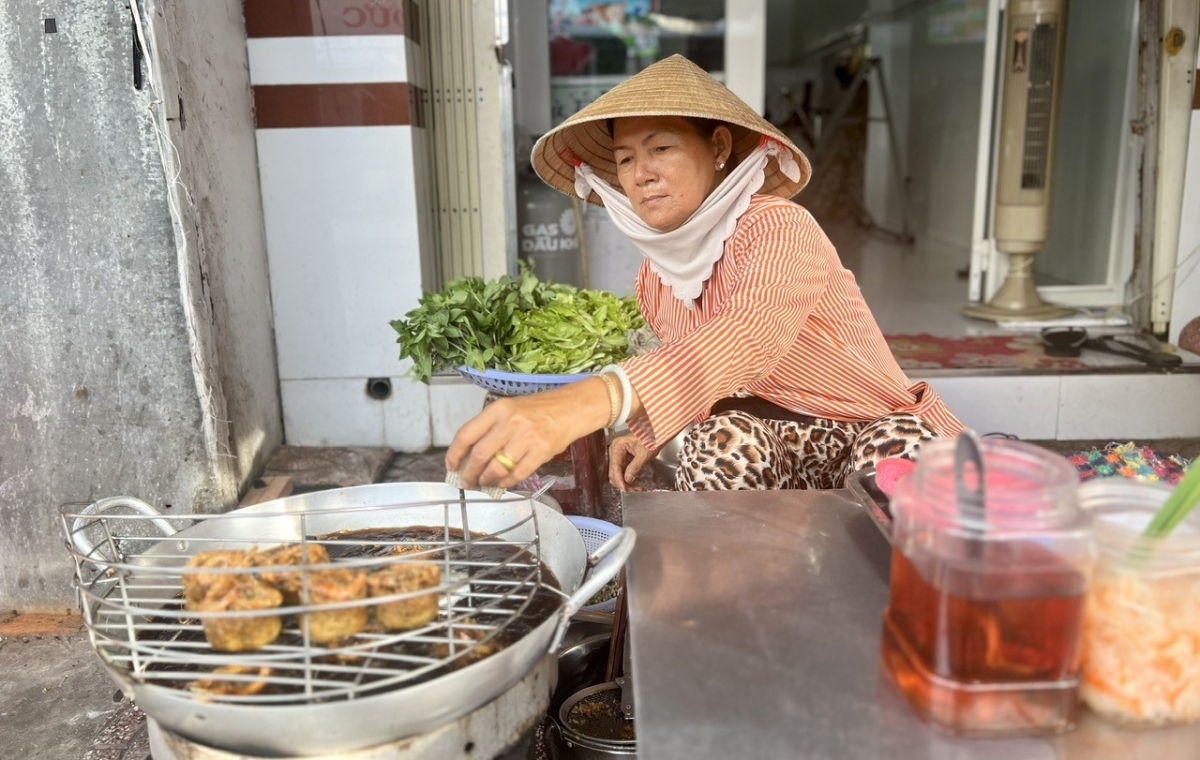
In a small riverside shop in An Xuyen ward, as the late afternoon sun softens, a woman prepares to make banh cong, Vietnamese fried shrimp cakes.
There are many banh cong vendors in Ca Mau, each tied to local stories and everyday life. Here, the owner, Hoang Thi Khiem, is known simply as “Mrs. Banh Cong”, a familiar figure who has been serving the community for decades.
“I’ve been selling this for 35 years. My mother started, and I followed her. It’s made from rice flour and glutinous rice flour, mixed with mung beans, shrimp, and minced pork, then fried. I’ve been doing this since 1990. It doesn’t bring in much profit, but it’s enough to make a living,” Ms. Khiem said.
Banh cong is a specialty of the Khmer community in southern Vietnam. With its crispy outer layer and rich filling of mung beans, meat, and shrimp, it has become a favorite among visitors to the Mekong Delta.
For locals like Vuong Thi Bich Tram, who now lives in Ho Chi Minh City, a visit to Mrs. Banh Cong is a must whenever she returns home.
“Her cakes have been around for a long time. I like them because they’re rich in mung beans, very nutty and flavorful. They’re eaten with fresh herbs and dipped in fish sauce that’s perfectly balanced, not too salty, not too bland. It all comes together beautifully,” Tram explained.
Not far away, also in An Xuyen ward, a banana ice cream shop draws crowds, especially young people. While it’s spacious and modern, the recipes it serves have been preserved for decades.
Shop owner Pham Thi My Hoa said, “This shop has been open for 40 years. We sell traditional dishes, with recipes passed down from my mother. Banana ice cream is made from flour, bananas, and coconut milk.”
Ca Mau has the largest banana-growing area in the Mekong Delta. From these fruits, locals have created a rustic ice cream that captures the essence of the river region by combining the sweetness of ripe Siamese bananas with the richness of coconut milk and peanuts, a refreshing treat for the southern heat.
Each small shop in Ca Mau preserves its own story, passed down through generations. Visiting them is to enjoy distinctive local flavors and step back into the gentle, unhurried rhythm of life in the Mekong Delta years ago.