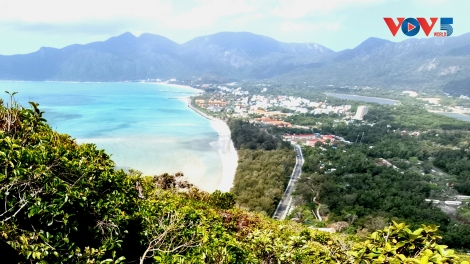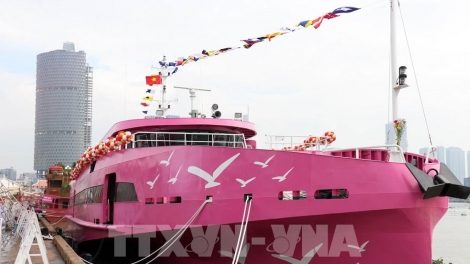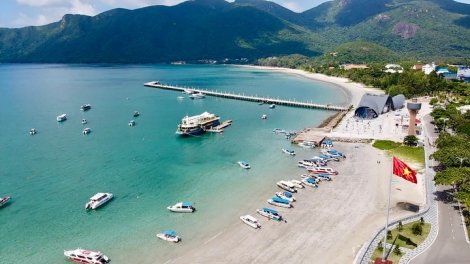




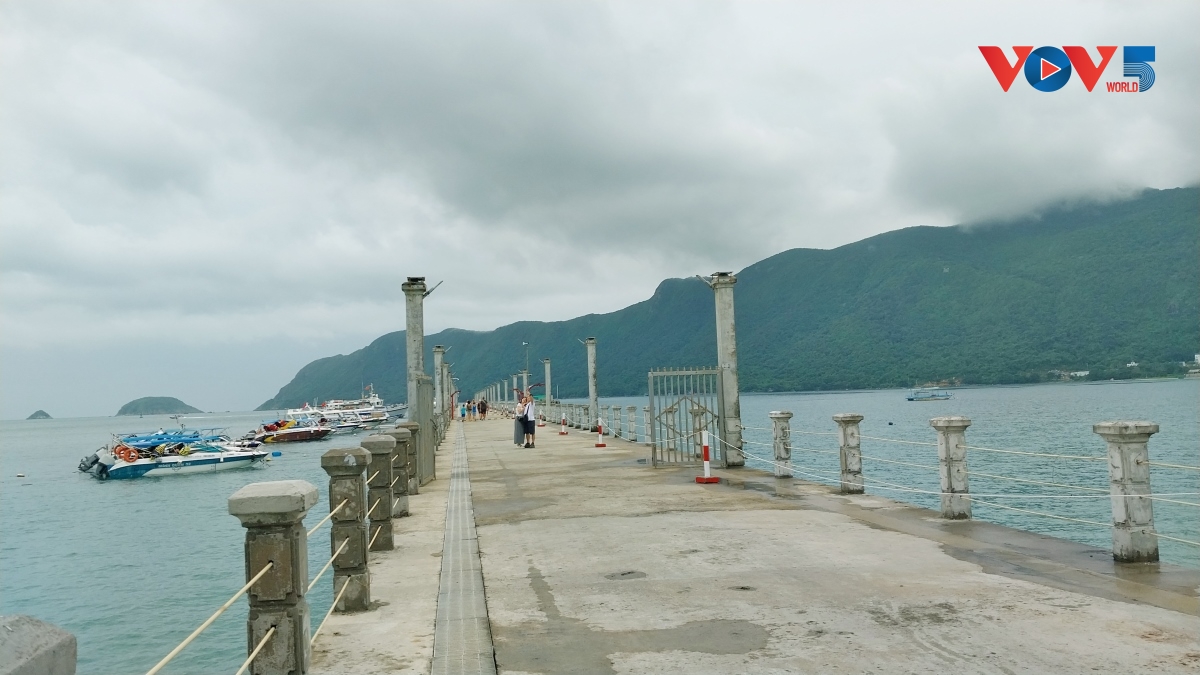
Since early June, Con Dao has been putting electric buses and taxis into operation as part of its plan to replace fossil fuel-powered vehicles.
The circular economy model introduced two years ago has helped businesses and residents better understand the island's green transition roadmap and participate in the transformation.
"Following Ho Chi Minh City's green transition policy, Con Dao is piloting the shift to green transportation. Our hotel has switched to electric vehicles, and we are proud to be among the pioneers in implementing the local green transport initiative," said Le Mong Thu, Deputy Director of Saigon - Con Dao Hotel.
Nearly a year after Con Dao was connected to the national power grid, a growing number of households and businesses have adopted electric vehicles. The biggest bottleneck is a shortage of public charging stations and battery-swapping facilities.
"Charging stations need to be installed as soon as possible. Many households and businesses have already switched to electric vehicles, but they have to charge them at home, raising fire safety concerns. We hope charging infrastructure will be expanded quickly and comprehensively," said Nguyen Hoang Phuong, Director of Paulo Condor Travel.
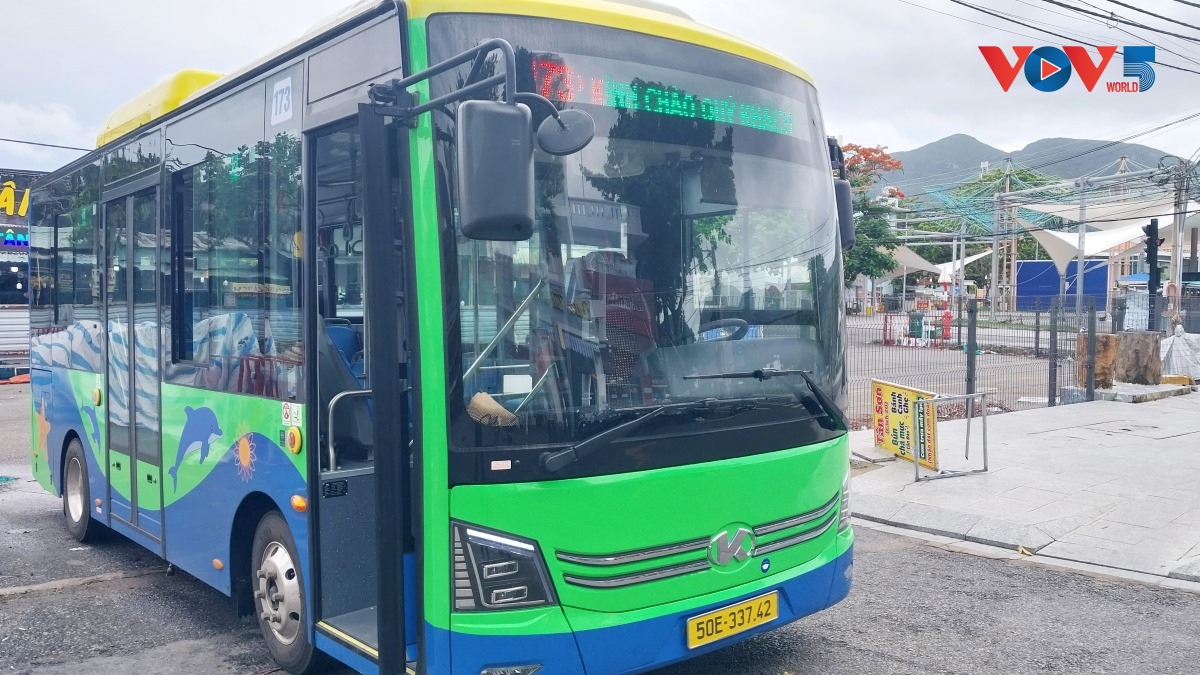
The Con Dao Group Joint Stock Company has taken the lead in investing in electric buses and high-capacity charging stations. Its Chairman and CEO, Nguyen Dang Khoa, said the cost of building the necessary infrastructure is incredibly high.
"We hope the authorities will soon introduce support policies, particularly by directing the electricity sector to assist with technical requirements and administrative procedures. Con Dao's green transition can only succeed if adequate charging infrastructure is put in place," said Khoa.
Con Dao considers the green transition a breakthrough strategy for sustainable development. By the end of the first quarter of next year, the Special Zone aims to complete the conversion of most vehicles to clean energy, except for certain specialized vehicles like ambulances, fire engines, and vehicles used for agriculture, forestry, and national defense and security.
To accelerate the transition, the local government is developing plans to collect and recycle used EV batteries while gradually phasing out internal combustion engine vehicles. It’s also expanding the network of charging stations and green energy supply facilities.
Businesses and investors joining Con Dao's green ecosystem are offered policy incentives and land allocations for the construction of charging stations.
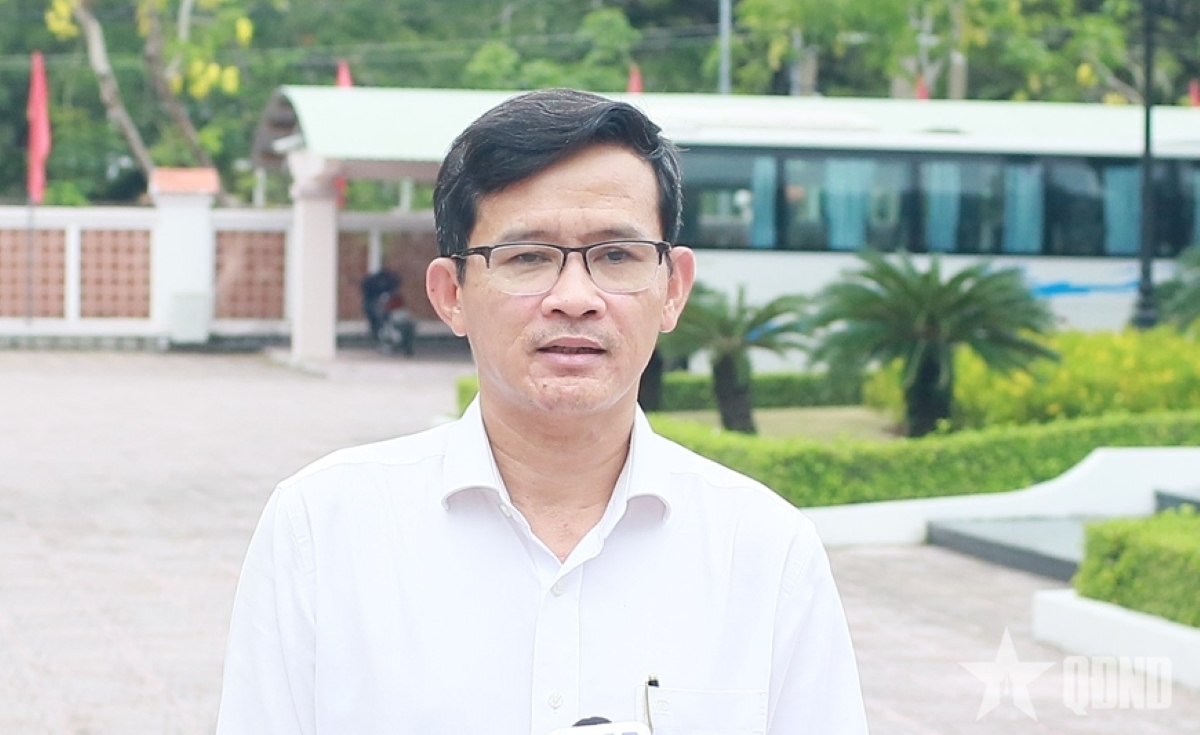
Phan Trong Hien, Deputy Secretary of the Party Committee and Chairman of the People's Committee of the Con Dao Special Zone, said that Ho Chi Minh City is drafting a support scheme to help Con Dao residents switch from petrol-powered vehicles to electric ones, with subsidy levels tailored to different vehicle categories.
“We’re also providing policy support and land for businesses and investors to facilitate their projects, helping Con Dao build a truly green transportation network," Hien noted.
With strong commitment from local authorities and broad support from residents and businesses, Con Dao is advancing its green transport transformation. The shift to clean transportation will cut emissions, protect the environment, and bring the island closer to its vision of becoming a green, distinctive, and highly livable destination.