



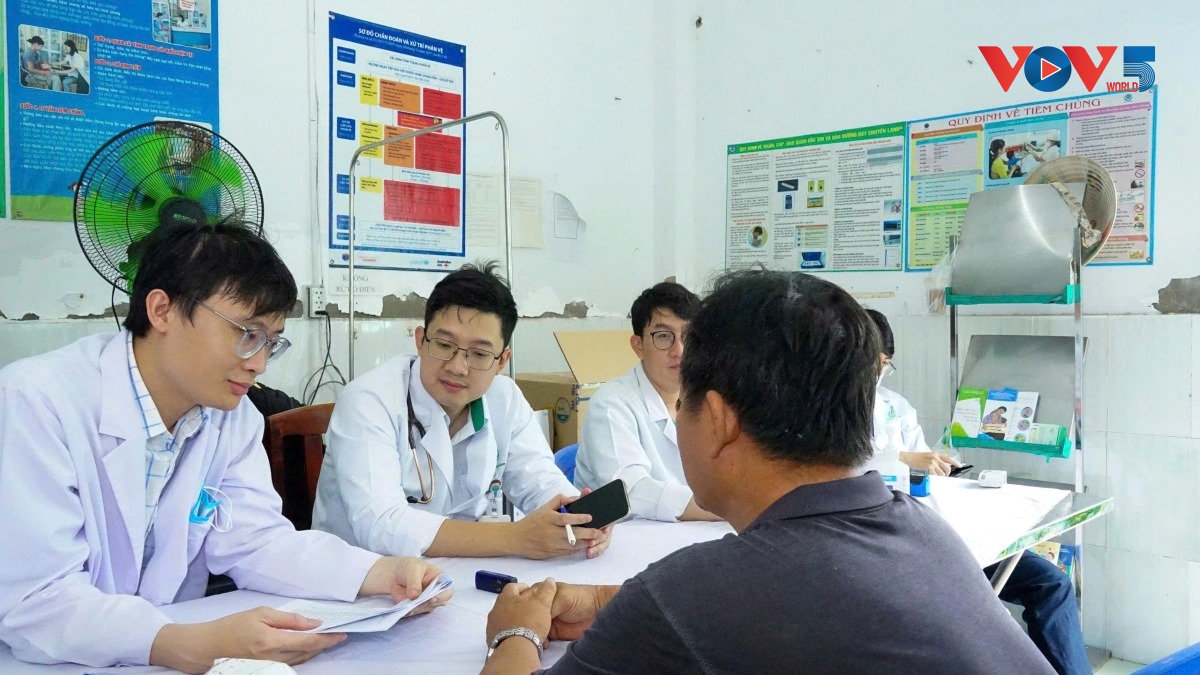
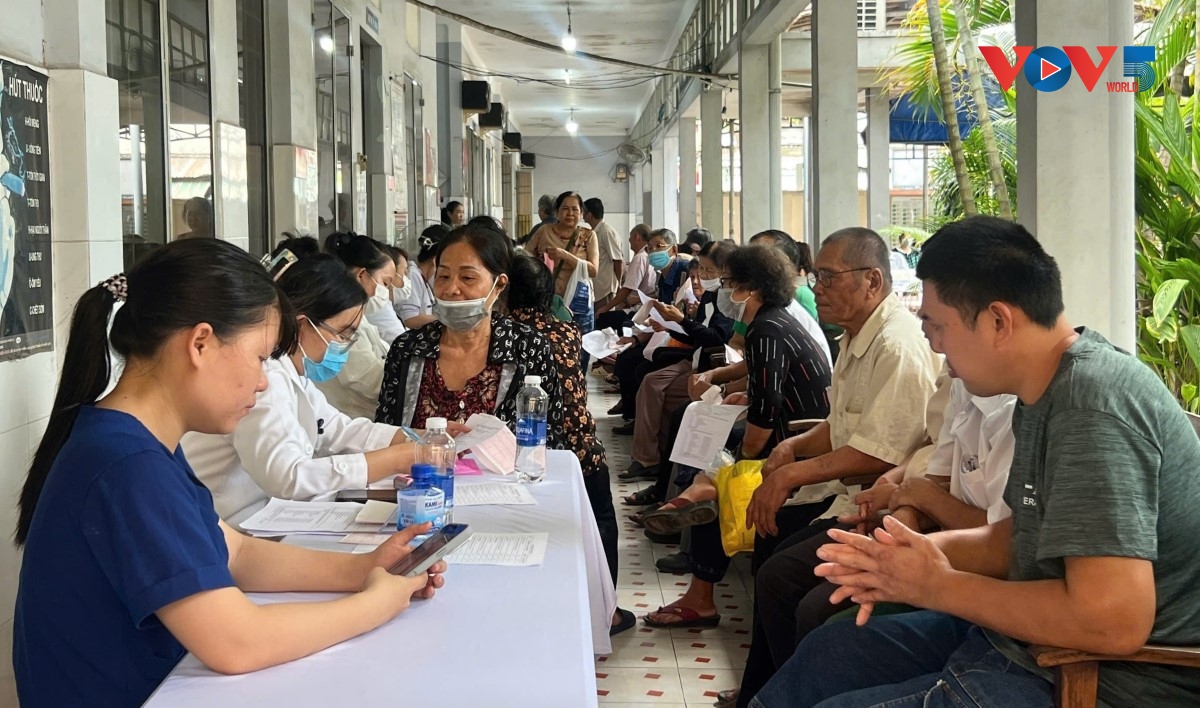
In Thanh An commune, where travel is difficult, a free health screening program has brought medical services to the community. Residents, including Do Thi Ngoc Duyen, no longer have to travel a long distance or wait a long time to see doctors.
“I’m very pleased that doctors from higher-level hospitals have come to provide medical check-ups. It’s very convenient, and I’m grateful to them,” she told VOV.
According to Dr. Hong Cong Danh, Deputy Director of Tu Du Hospital, Thanh An residents depend largely on fishing and seasonal livelihoods that make it difficult for them to find time for regular medical check-ups, so bringing healthcare services to the community is a practical, humanitarian solution.
“The health screening program on Thanh An Island, jointly carried out by Tu Du Hospital and other specialized hospitals, has made it more convenient for local residents to access healthcare services. It allows them to detect diseases at an early stage, undergo basic health check-ups, and have the results entered into their electronic health records,” said Danh.
The program goes beyond conducting a target number of medical check-ups. It aims to build a nationwide health management system. All examination results are uploaded to an electronic health database that can be used for long-term health monitoring.
Associate Professor Doctor Tang Chi Thuong, Director of the municipal Department of Health, said the program marks a major shift in the health sector’s approach to healthcare.
“We’re studying the experiences of other countries. This year, we’ll assess the general health status of the population and stratify people according to their health risk,” said Thuong, adding, “In the following years, we’ll propose screening programs for diseases that each risk group may be prone to. The screening program will change from year to year.”
This approach is part of a broader urban governance strategy. Nguyen Phuoc Loc, Deputy Secretary of the Ho Chi Minh City Party Committee, has repeatedly stressed the need to shift from treating diseases to managing the health of the entire population, with the involvement of the entire political system and the community.
He said healthcare should take a life-course approach, tailored to different groups and their specific living conditions. “We need to involve social organizations, the business community, religious organizations, and other groups. When it comes to healthcare facilities for older people, for example, the health sector is providing guidance and direction on elder care.”
This care should be community-based and take a life-course approach, Loc said, adding, “As long as people are healthy, we should improve nutrition and quality of life, rehabilitation, infection control, and disease prevention.”
At the grassroots level, this model is gradually taking shape through flexible measures tailored to local conditions.
Tran The Phong, Vice Chairman of Lai Thieu ward’s People’s Committee, said the locality has reviewed and classified residents to organize appropriate health check-ups and help those who have difficulty accessing healthcare services.
“When people come to the local health station for a check-up, medical workers advise them which specialized hospital they should go to for treatment if they have a serious illness. This is also an opportunity to raise awareness of the universal health insurance policy, so people understand their entitlements when seeking medical care,” Phong said.
From top-level hospitals to grassroots health stations, a healthcare network is taking shape with the goal of improving the Urban Happiness Index.
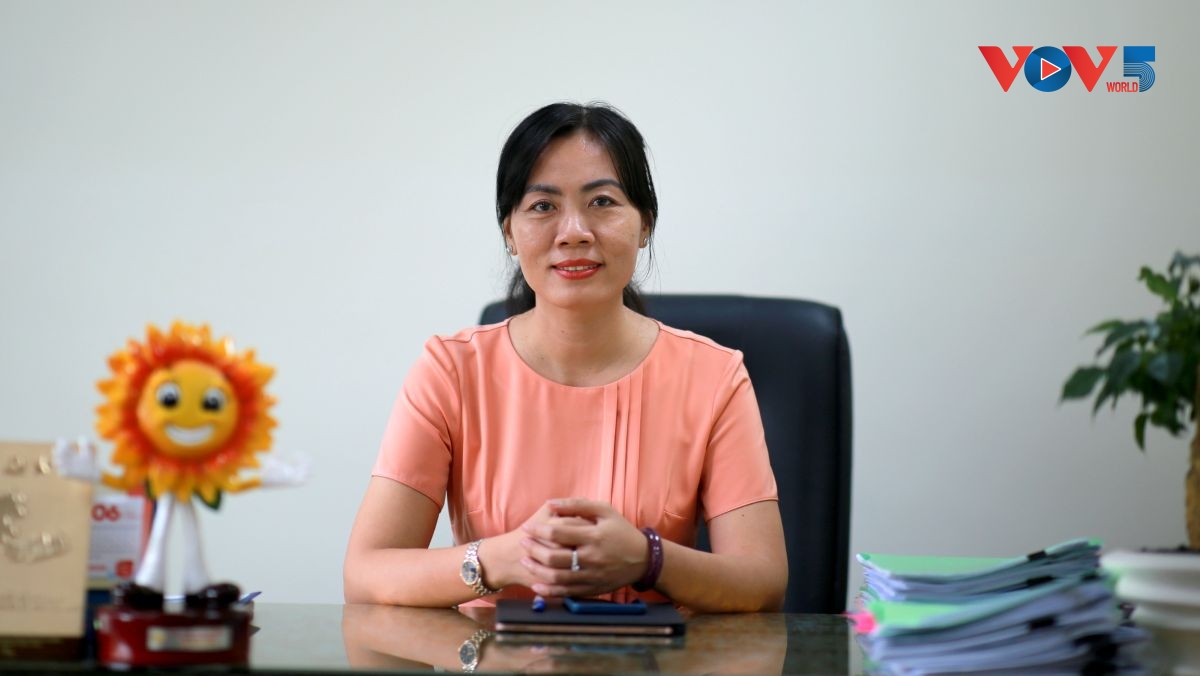
Tran Thi Hong Thuy, Vice Chairwoman of Thu Duc ward, said the development of a set of “Happy Ward” criteria is intended to encourage local authorities to assess and improve their own performance.
Thu Duc ward will continue to focus on factors that directly affect people’s quality of life, including expanding public spaces, improving the quality of the living environment and urban landscape, and accelerating digital transformation so people can access public services more conveniently, said Thuy. “At the same time, we’ll provide better support for vulnerable groups through the social welfare system, and build a safe, united, compassionate, and civilized community.”
A truly livable city is one in which people are healthier, more secure, and happier in their daily lives.