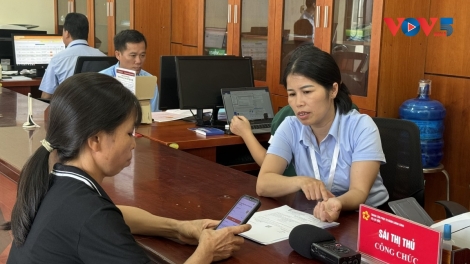




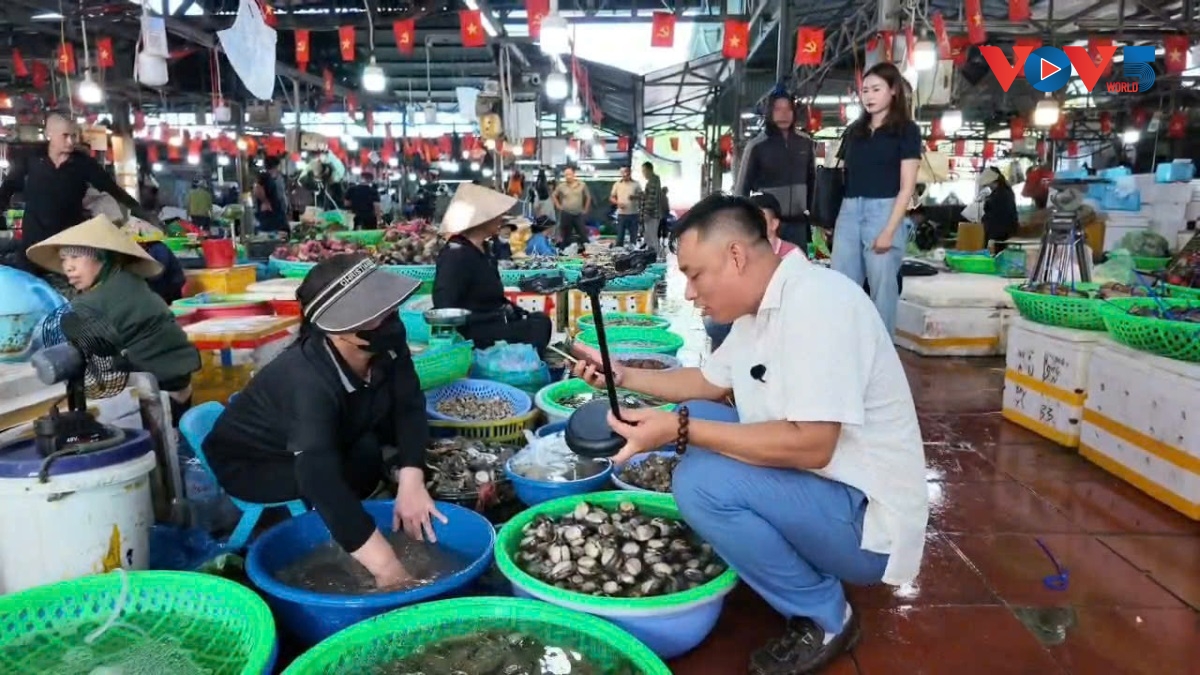
"I'm getting old now. How could I possibly livestream? Selling at the market already takes up all my time. It's better to leave that to the younger generation because it requires much more energy and dynamism."
"It's easy for young people like us to adapt to technology. But for older vendors, it's much more difficult. If they had to livestream for a long time, many simply couldn't manage it."
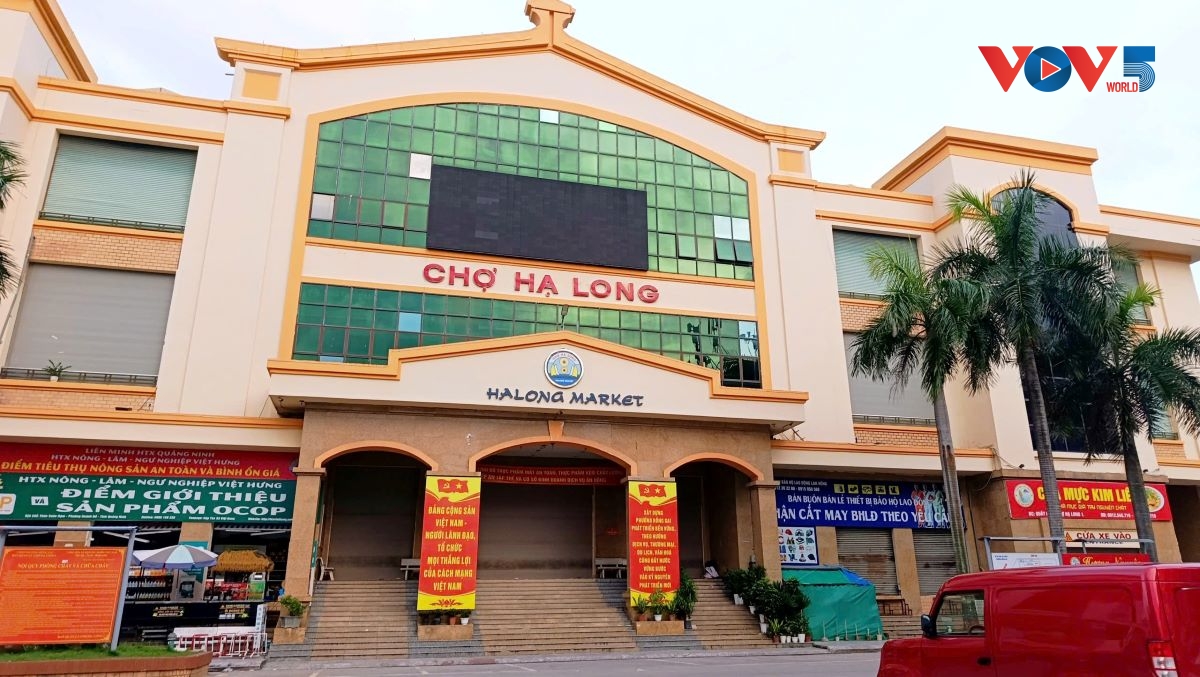
These comments from vendors at Ha Long Market 1 reflect both the opportunities and the challenges of bringing digital transformation to traditional markets.
Ha Long Market 1, the largest wholesale market in Ha Long ward, has been pioneering a 4.0 model, which was initiated in 2022. Each vendor will be assigned a QR code linking to comprehensive information including product categories, stall location, and contact details. All stalls will be integrated into a shared digital platform.
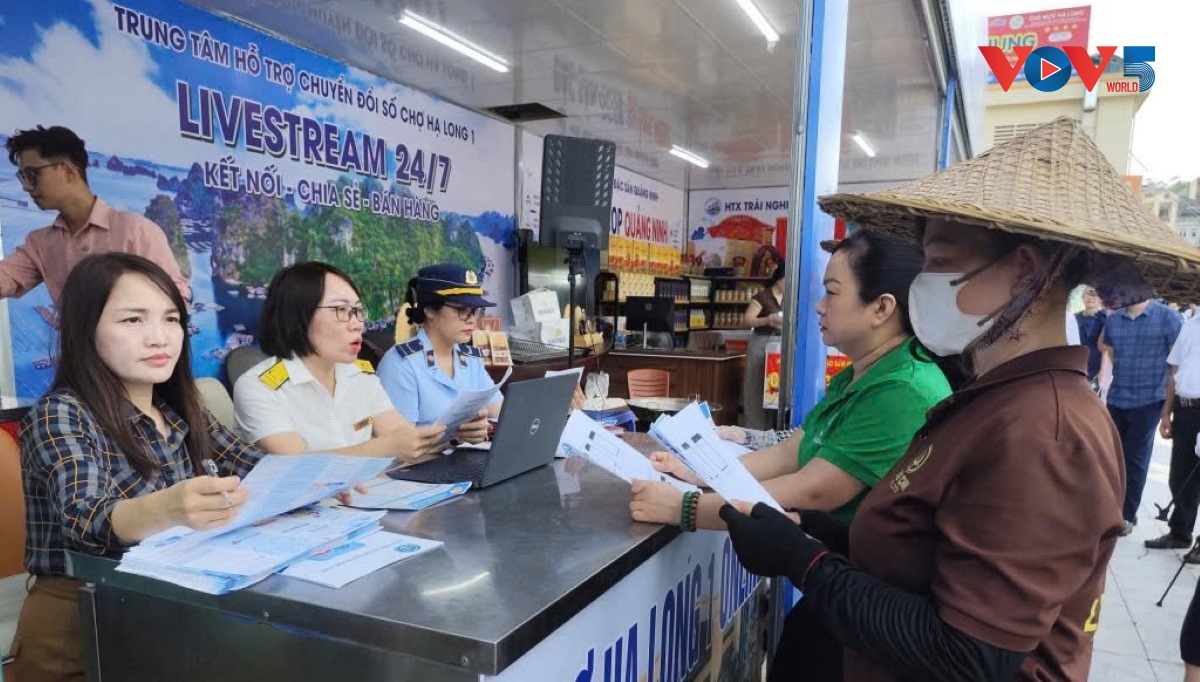
Multilingual content will also be available for international visitors. Tran Thanh Trung, Director of the market's Digital Transformation Support Center, said that they are creating digital versions of vendors' physical stalls integrating location maps, product information, Zalo contact numbers, and social media channels into a single QR code.
“Once all stalls are connected, consumers will only need to scan one QR code to access the entire digital Ha Long Market, making it easy to find and purchase products," said Trung.
So far, 20 stalls out of the market's 1,200 businesses have received QR codes. guyen Thi Xuan, a dry goods vendor, exemplifies this transformation.
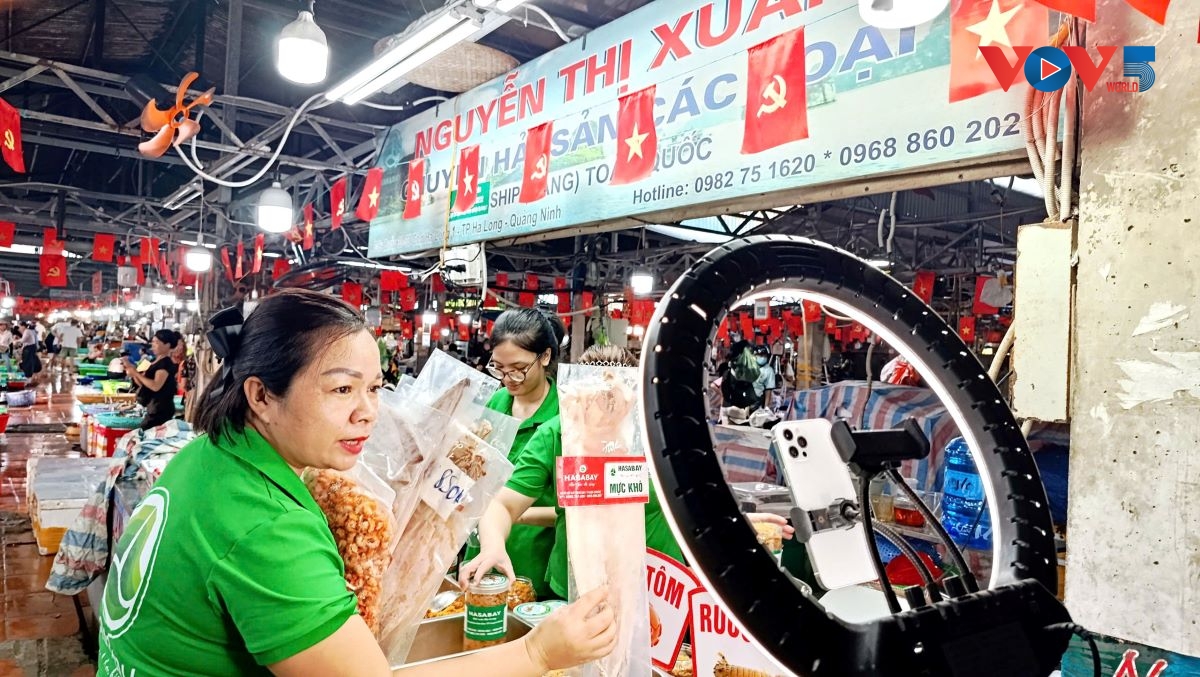
Even before the center was established, she had learned online selling techniques. She digitized her business, categorizing products, building social media sales channels, and maintaining regular interactions with her customers. At her stall, a smartphone mounted on a tripod is always ready for livestreaming and product promotion.
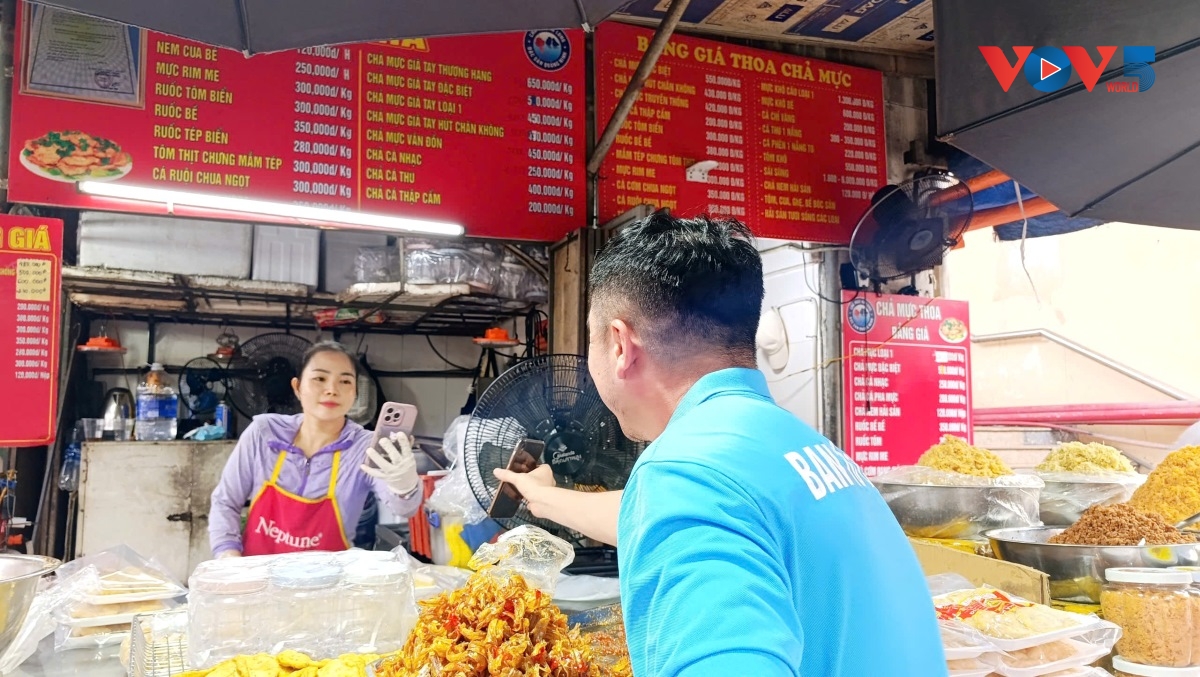
"As soon as I get to the market in the early afternoon, I start streaming and answering customers' questions. Livestreaming has really boosted my sales. Many other vendors have followed suit. Anyone with a smartphone is now posting products online to attract customers," Xuan told VOV.
Pioneers like Xuan have inspired other vendors to experiment with livestreaming, set up QR codes, and adopt cashless payment methods. While adoption remains uneven, these changes are reshaping business practices in traditional markets.
According to Pham Nhu Quynh, a sales assistant at a Ha Long squid patty stall, the best time to livestream is from 11 a.m. to around 1:30 p.m.
“By 2 p.m., tourists begin arriving, so we have to focus on serving customers. Digital technology helps us reach people of all ages. Customers can learn about our products and give direct feedback. If there are any issues with quality, we hear about them immediately," said Quynh.
In addition to helping vendors build confidence in livestream selling, the Ha Long Market 1 Digital Transformation Support Center also works with relevant agencies to provide guidance on product traceability, price transparency, consumer rights protection, and digital commerce regulations, and advises vendors on insurance policies.
Nguyen Tuan Thang, Deputy Chairman of the Hong Gai ward People's Committee, said, "Digital transformation is not the government's task alone. It’s a journey shared with the people, beginning with the most familiar aspects of daily life. Every QR-coded stall and every vendor livestreaming their products is another step forward.”
“These efforts are helping Hong Gai ward build a comprehensive digital society where no one, including market vendors, is left behind in Quang Ninh's digital transformation," Thang noted.
Vendors whose products meet quality standards and digital transformation requirements are selected to operate model digital stalls, to serve as examples for others to follow. Through this initiative, Ha Long Market 1 aims to become a flagship model for digital transformation among traditional markets in Quang Ninh province.