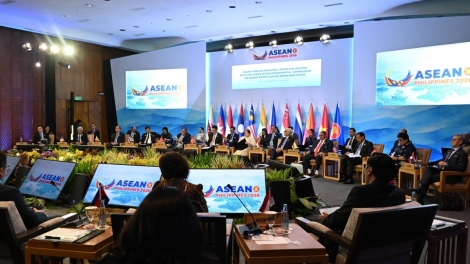




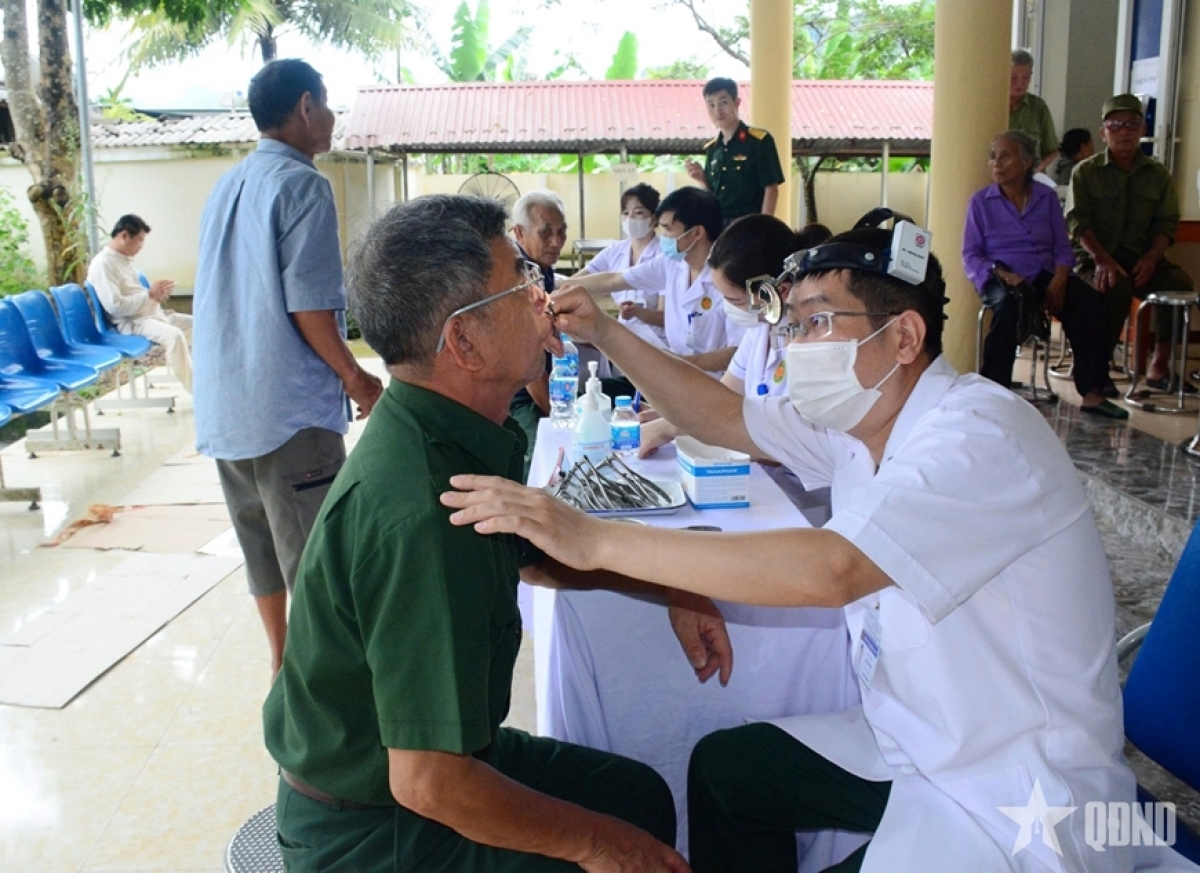
Vietnam’s policies are designed to improve people's quality of life, making citizens the center of, and a driving force for, national development.
Policies delivering real benefits
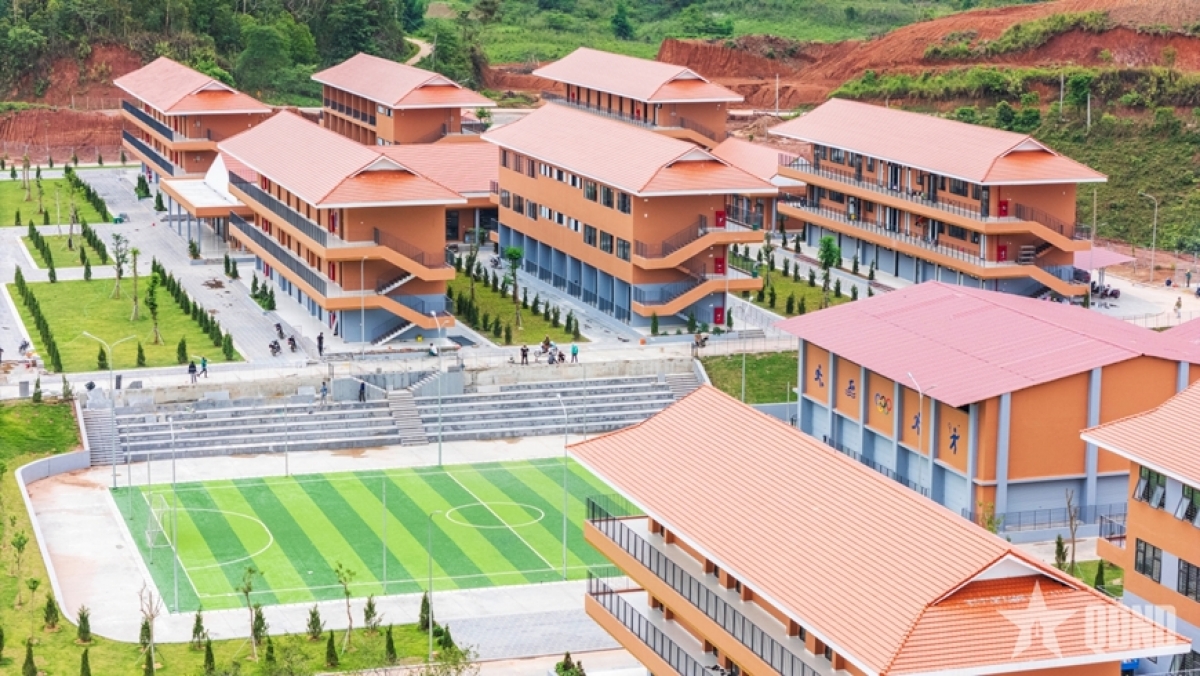
For thousands of students and families in Vietnam's border regions, that commitment has become a reality through the expansion of boarding schools.
Students expressed excitement about moving into modern campuses equipped with sports facilities and comfortable living conditions, while parents said the new schools offer peace of mind and create an environment where their children can develop both academically and physically.
The excitement is shared by tens of thousands of families whose children attend one of the 248 new inter-level boarding schools in border communes nationwide. These schools expand educational opportunities for students in remote areas and ensure every child has equal access to education.
Education is only one example of how people are benefiting from Vietnam's development policies. Improvements are also evident in healthcare, housing, social insurance, transportation infrastructure, digital transformation, and administrative reform.
Dr. Le Duy Binh, an economist and Director of Economica Vietnam, said: "Coverage of social insurance, health insurance, and unemployment insurance continues to expand. People can clearly see the impact of government policies, including lower tuition fees, increased educational support for students, expanded healthcare, improved medical services, and stronger preventive healthcare. These are substantial improvements."
Economic policies aimed at removing obstacles facing businesses, encouraging investment, fostering innovation, and accelerating digital transformation are generating new momentum for growth, which is transformed into more jobs, better incomes, more convenient public services, and improved quality of life.
Dr. Binh said: "Economic growth is translating into higher incomes and better livelihoods for the people. Development is not benefiting only certain groups but society as a whole through inclusive and sustainable growth, with particular attention given to vulnerable communities. This progress is reflected in Vietnam's Human Development Index, published annually by the United Nations Development Program. It demonstrates that economic achievements are being converted into real improvements in people's quality of life, consistent with Vietnam's people-centered development approach."
People's well-being as ultimate barometer
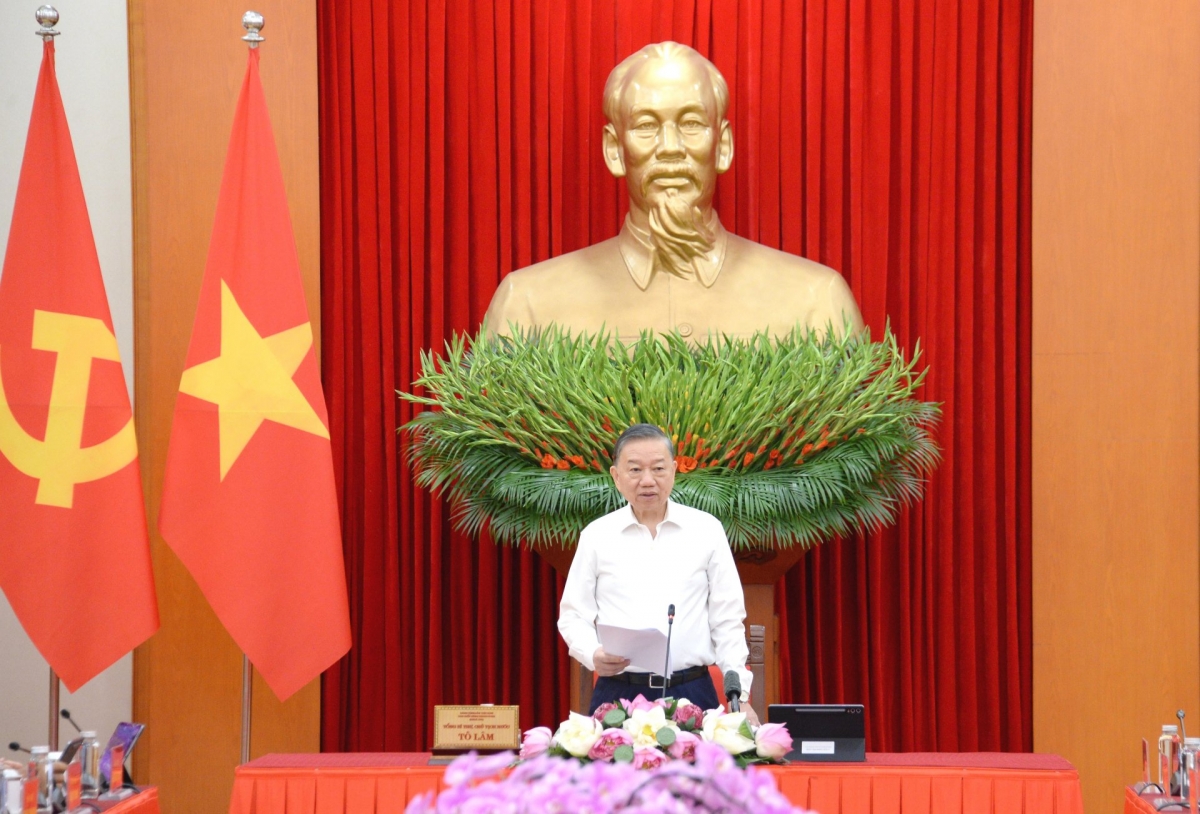
Party General Secretary and State President To Lam has said that every policy aims to expand opportunities for human development and enable people to enjoy the country's development achievements more fully.
"Improving people's lives must be the highest goal of development. Citizens should enjoy safer living environments, more convenient transportation, better housing, higher-quality schools and hospitals, richer cultural spaces, and more green areas. Workers, the poor, and vulnerable groups must receive practical, targeted, and effective support through concrete policies," said Mr. Lam.
This political commitment is reflected in Vietnam's international standing among the world's happiest nations. Vietnam ranked 46th of 147 countries in the 2025 World Happiness Report, which is the result of improvements in living standards, public satisfaction, and the effectiveness of people-centered development policies.
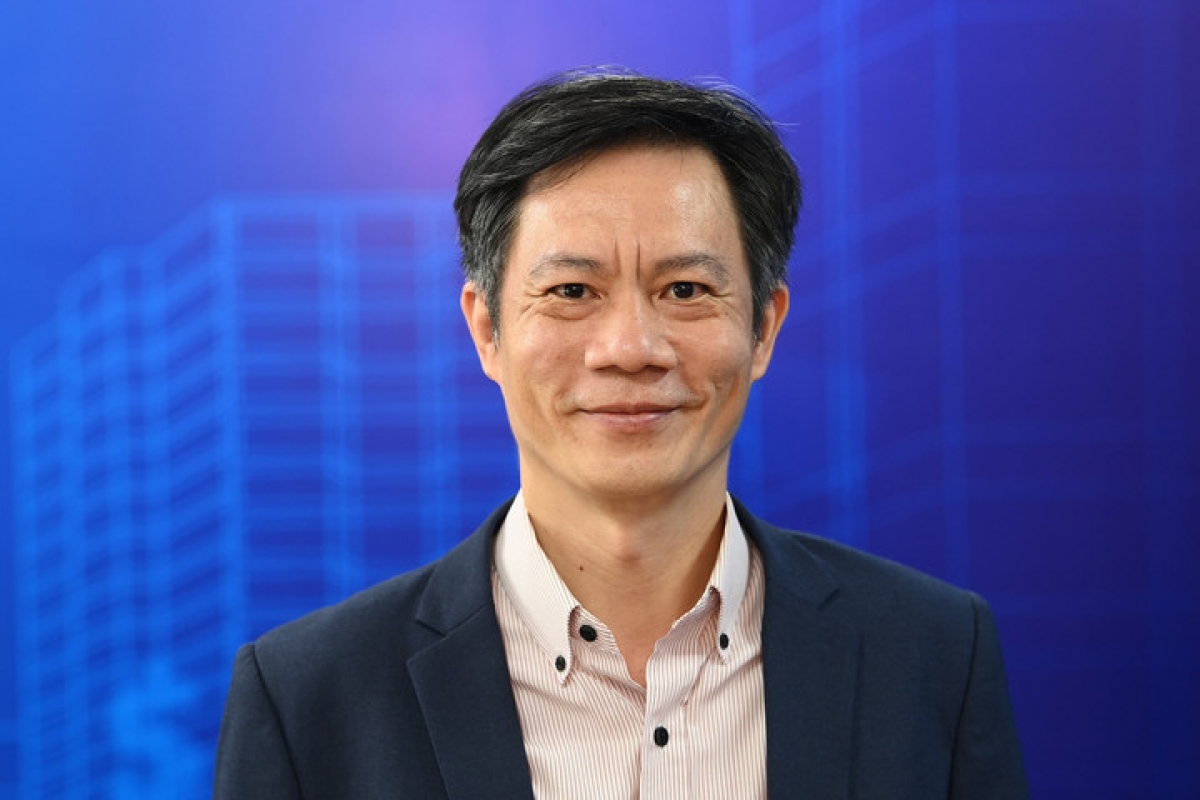
Prof., Dr. Le Hai Binh, Vice President of the Ho Chi Minh National Academy of Politics, said: "Many international friends tell me that Vietnam possesses something many nations aspire to but do not have—peace, independence, and a sense of security in daily life. Our happiness ranking has improved rapidly, although no single index can fully capture what we have achieved. We want to become even happier, which is why we are determined to pursue stronger economic growth and create more sustainable well-being for our people."
When each decision made aims at serving the people, as educational opportunities, healthcare, employment, social security, and living conditions continue to improve, human rights in Vietnam are increasingly reflected, not only in legal documents, but also in the daily lives of its people.
This demonstrates Vietnam’s consistent development philosophy of placing people at the center of national development and making the happiness and well-being of its citizens the ultimate goal of public policy.