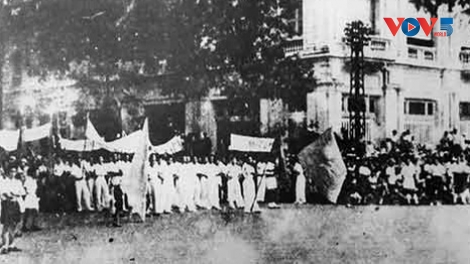




The August Revolution was a national revolution with profound humanitarian and human rights values.
Embracing progressive values of humanity
The August Revolution decisively secured the Vietnamese people’s fundamental right to life. In 1945, more than two million people died in a devastating famine caused by the combined impacts of fascistic, colonial rule, natural disasters, and crop failures. With the revolution, the Vietnamese people regained the right to govern their own country, the right to exist as an independent people, and the right to live in a just society.
The revolution not only changed the destiny of the nation but transformed the lives of the people. Under the Democratic Republic of Vietnam, the first democratic republic in Southeast Asia, people were recognized as “citizens” for the first time, with equal rights and obligations before the law.
In the early days of independence, despite enormous challenges, the provisional government introduced a series of humanitarian measures, including abolishing taxes and levies, organizing famine relief, and adopting other policies aimed at easing the burdens on the population.
The young republic also held universal elections, extending the right to vote and stand for election to people from all walks of life. In 1946, at a time when many countries were still debating women’s suffrage, Vietnam’s first general election recognized women’s equal right to vote and run for office. This historic milestone was evidence that Vietnam did not remain outside or lag behind the progressive values of humanity, but embraced and put those values into practice from the very first days of the new state.
Committed to people-centered development and happiness
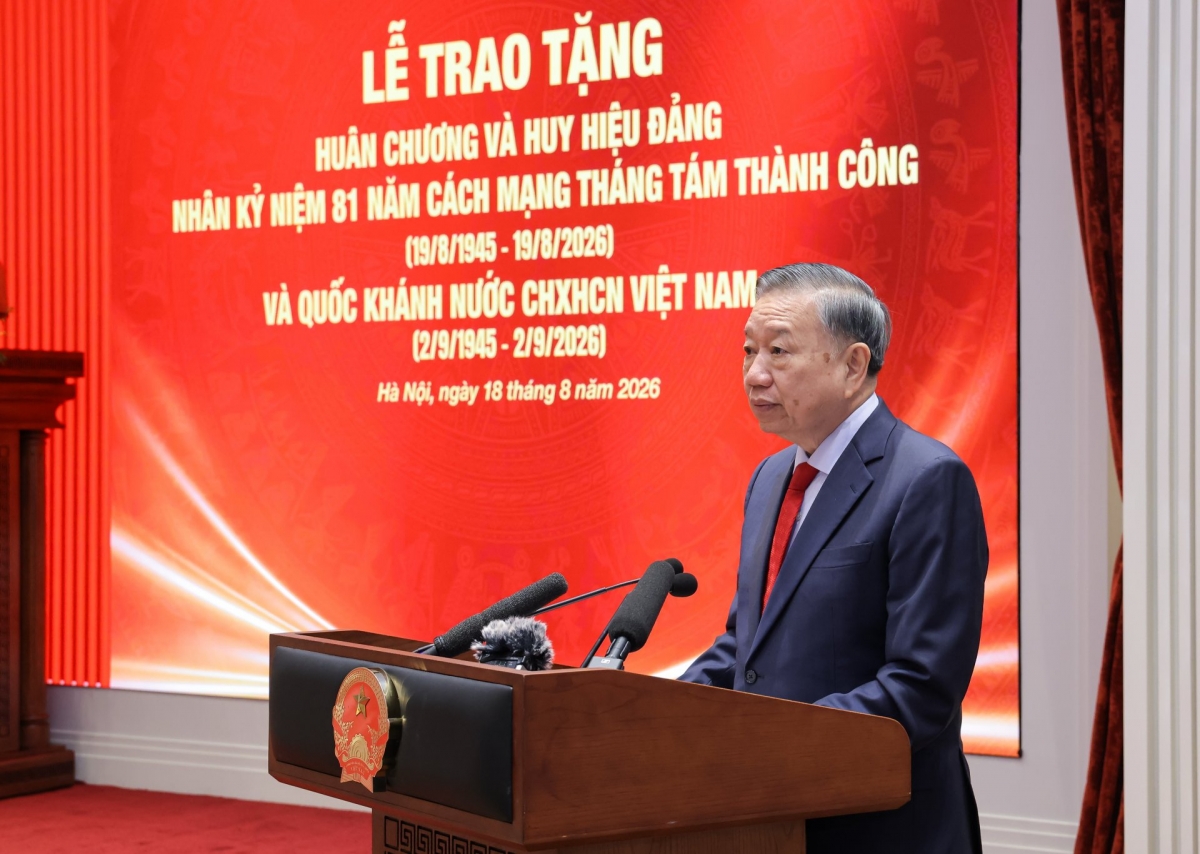
Building on the progressive values of the August Revolution, the Communist Party of Vietnam and the State have consistently regarded people as the foundation, the goal, and the driving force of sustainable development. Party General Secretary and State President To Lam said at an event on August 18:
Mr. Lam said: “Each generation faces different circumstances and tasks, but all share the common goal of serving the Fatherland and the people. History does not require succeeding generations to repeat the approaches of previous ones. It requires each generation to remain loyal to the Party’s ideals and goals, build on the legacy, and have the courage to innovate in order to fulfill the tasks of its own era.”
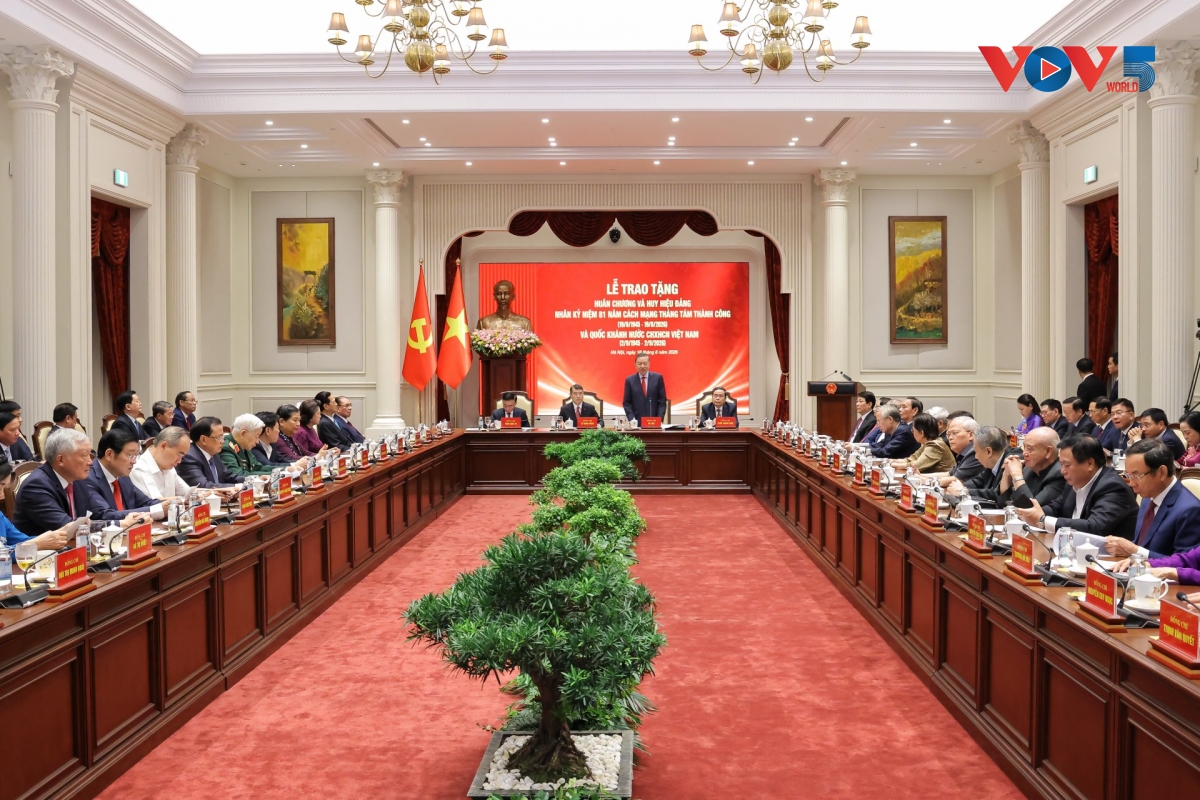
Over the past 81 years, ensuring the people’s legitimate and lawful rights and interests has remained a central focus in Vietnam’s legal system. The 2013 Constitution, for the first time, contained 36 articles directly addressing human rights and citizens’ rights. Specific laws, including the Civil Code, Criminal Code, Law on Children, Law on Gender Equality, and Law on Persons with Disabilities, have been enacted to institutionalize those rights in line with domestic realities and international standards.
At the same time, Vietnam’s social security system has expanded in scope and improved in quality. By the end of 2025, health insurance coverage had surpassed 95% of the population, the highest level ever recorded. The expansion has particularly benefited vulnerable groups, including poor and near-poor households, ethnic minority communities, and people living in remote, isolated, and especially disadvantaged areas. More than 98% of children attend school and complete primary education. Persons with disabilities, elderly people, and ethnic minority communities have also benefited from multiple policies supporting employment and livelihood development.
People are at the center of the major development orientations set out by the 14th National Party Congress. This approach is reflected in the Health Ministry’s proposal for community-based elderly care, efforts by the education sector to create a more humane learning environment, and local investment in green spaces, cultural facilities, and quality of life.
As Hanoi pursues the goal of becoming a “civilized, cultured, and modern capital,” it’s clear that the underlying development philosophy is not simply to make the city bigger, but to make its people happier.
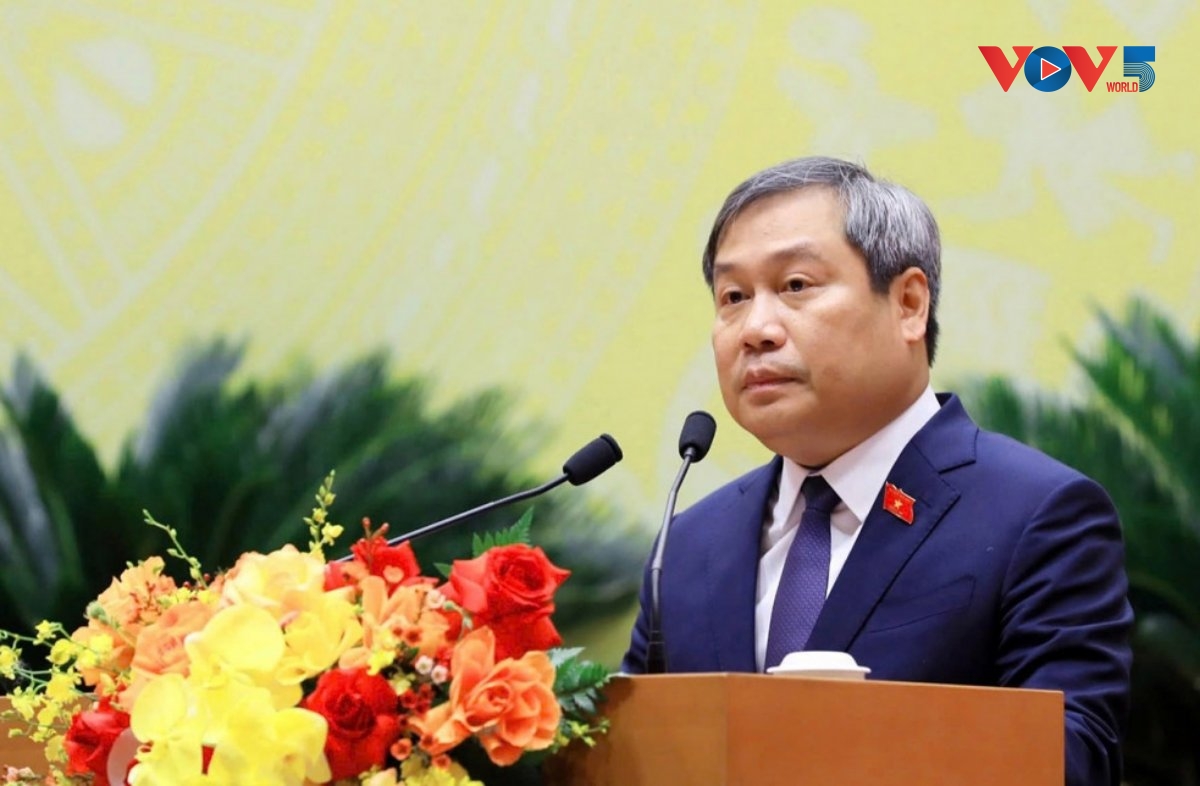
Vu Dai Thang, Chairman of the Hanoi People’s Committee, said: “Services are the main driver of development. But from 2027 to 2028, new industries with high added value and advanced technologies and sectors like healthcare and social services will become major drivers of development.”
For 81 years, Vietnam's approach to human rights has centered on empowering citizens to live in peace, thrive, and access strong social support. This is a legacy of the August Revolution and a guiding principle of Vietnam’s national governance in an integrated world.