



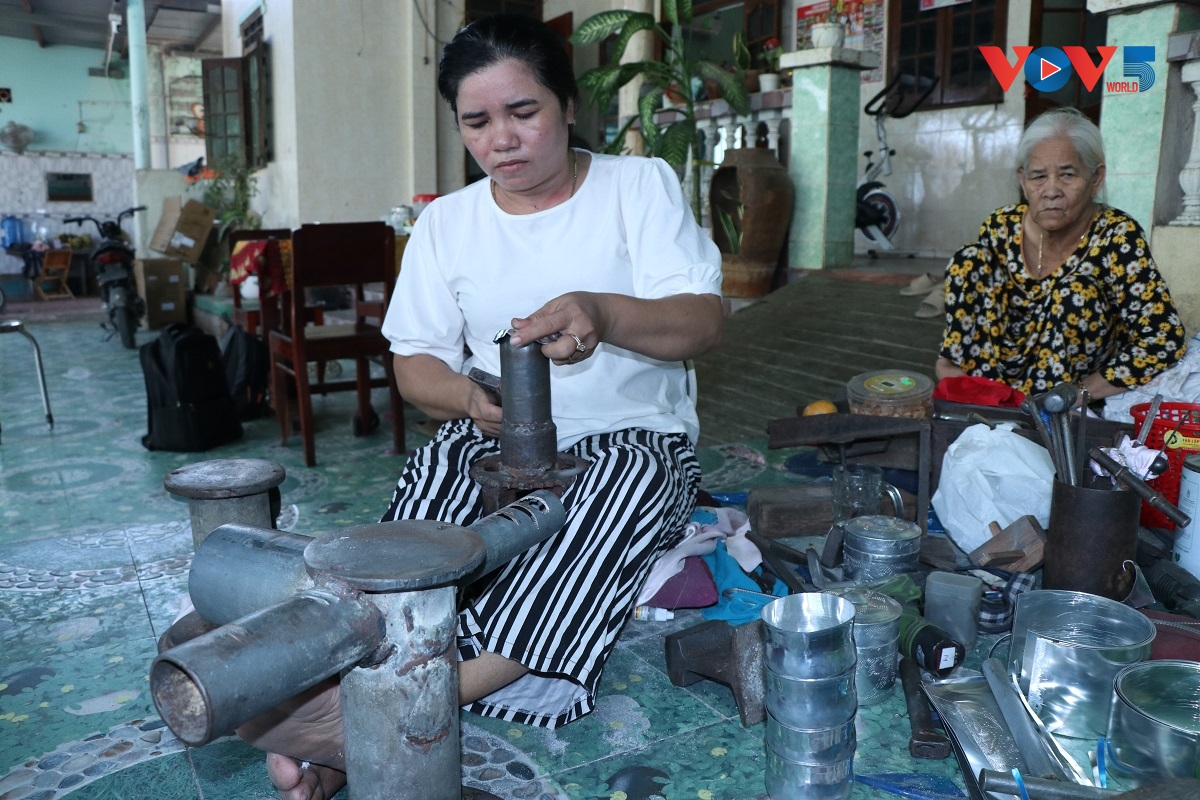
The tapping of hammer and chisel can be heard at the home of artisan couple Dinh Van Can and Dang Thi My Tram in Bau Truc village. On the veranda, their only daughter, Kinh Thi Mong Ngung, carries on her family’s silver-carving legacy. With nothing more than a hammer and chisel, she skillfully shapes each piece by hand, keeping alive a craft that has become an inseparable part of her family’s daily life.
“When I first started learning the craft, I kept carving but failed. But by practicing every day, I eventually succeeded because this work demands patience and perseverance. The most difficult part is engraving the rim of the betel tray,” Ngung told VOV.
“My mother is highly skilled and can handle every stage, while my father mainly takes care of assembly and finishing. We hope our children and grandchildren will continue the tradition; otherwise, the craft could disappear,” she noted.
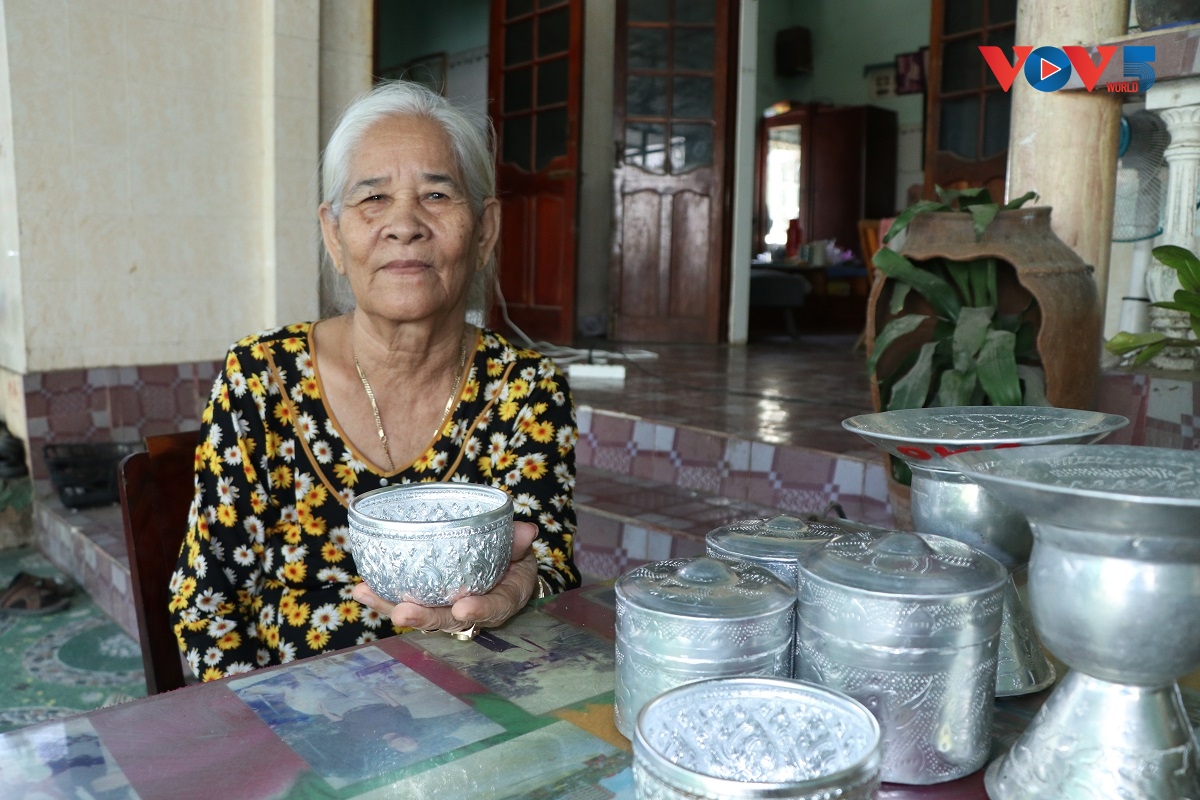
Traditionally, these items were made from pure silver. But as silver prices have climbed, many artisans have turned to aluminum or copper to make the products more affordable. Despite the change in materials, the traditional motifs and distinctive Cham cultural identity remain faithfully preserved.
According to veteran artisans, engraving is the most demanding stage of the process. It requires intense concentration and precision to create motifs such as dragons, phoenixes, stylized floral patterns, and other symbols deeply rooted in Cham culture.
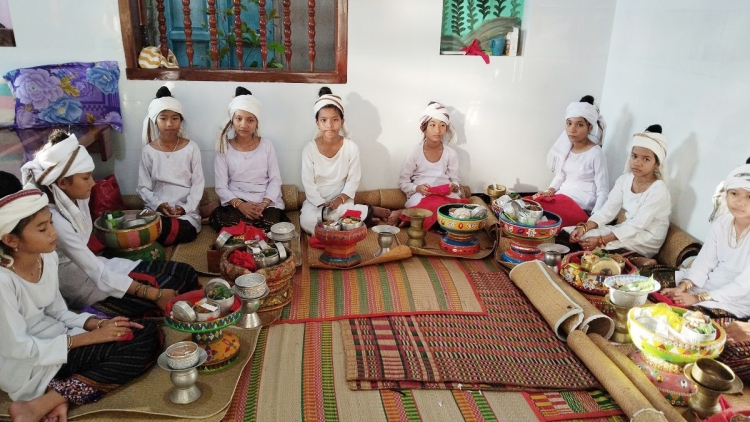
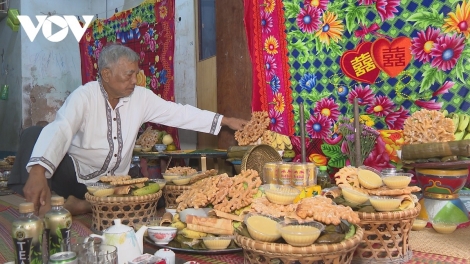
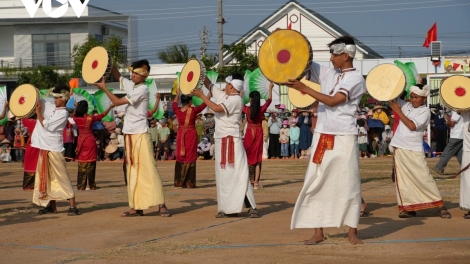
The finished products—betel trays, betel boxes, betel spittoons, and ceremonial trays—play an important role in Cham spiritual life. They’re used during Kate and Ramuwan festivals, New Year rituals, weddings, and engagement ceremonies.
Now in their 70s, Mr. Can and Mrs. Tram still work every day. Mrs. Tram recalled her father learned the silver-carving craft first and then passed it on to her.
“After I got married, I taught my husband as well. When my father passed away, the two of us continued the family tradition and have practiced it ever since. Traders buy our products and sell them in many places, even beyond Khanh Hoa province. Thanks to this craft, we were able to raise and educate our nine children, who are all grown up now,” said Mrs. Tram.
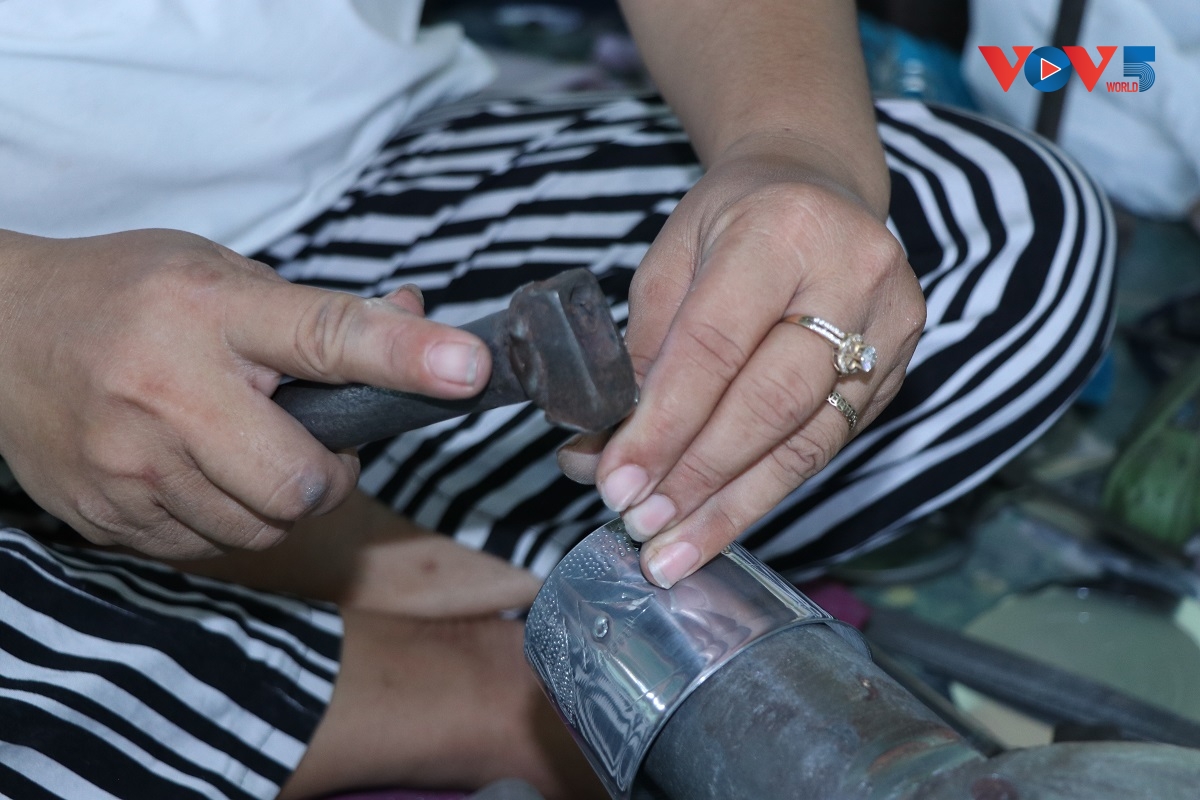
The meticulous craftsmanship and artistic quality of the family’s work have earned them a strong reputation. Their products are sought after in Khanh Hoa and in Lam Dong, Dong Nai, Tay Ninh, and Ho Chi Minh City.
Ba Minh Truyen, an official with the Khanh Hoa Museum, said that what was once a thriving Cham silver-carving tradition has largely faded away. Fortunately, one family in Bau Truc continues to preserve it.
“For the Cham people, silver-carved objects hold profound significance. Betel and areca trays, boxes, and incense burners are treasured items used only during worship ceremonies to present offerings to ancestors and grandparents. Through them, the Cham express their reverence for deities and their forebears,”
Ninh Phuoc commune is home to two renowned traditional craft villages: Bau Truc pottery and Mỹ Nghiệp brocade weaving. But less widely known is Bau Truc’s distinctive silver-carving tradition

Local authorities are now seeking to preserve the craft by incorporating silver-carving, Bau Truc pottery, and My Nghiep brocade weaving into community-based tourism initiatives.
Dang Chi Quyet, Secretary of the Bau Truc Village party cell, said, “We hope authorities at all levels will pay greater attention to vocational training policies and recognize Mr. Can and Mrs. Tram as Meritorious Artisans. Such recognition would encourage them and inspire future generations to learn and preserve the silver-carving craft.”
Though overshadowed by Bau Truc’s celebrated pottery tradition, silver carving remains one of the Cham people’s most distinctive handicrafts. Passed down through generations, it continues to play an indispensable role in the community’s spiritual and cultural life.