



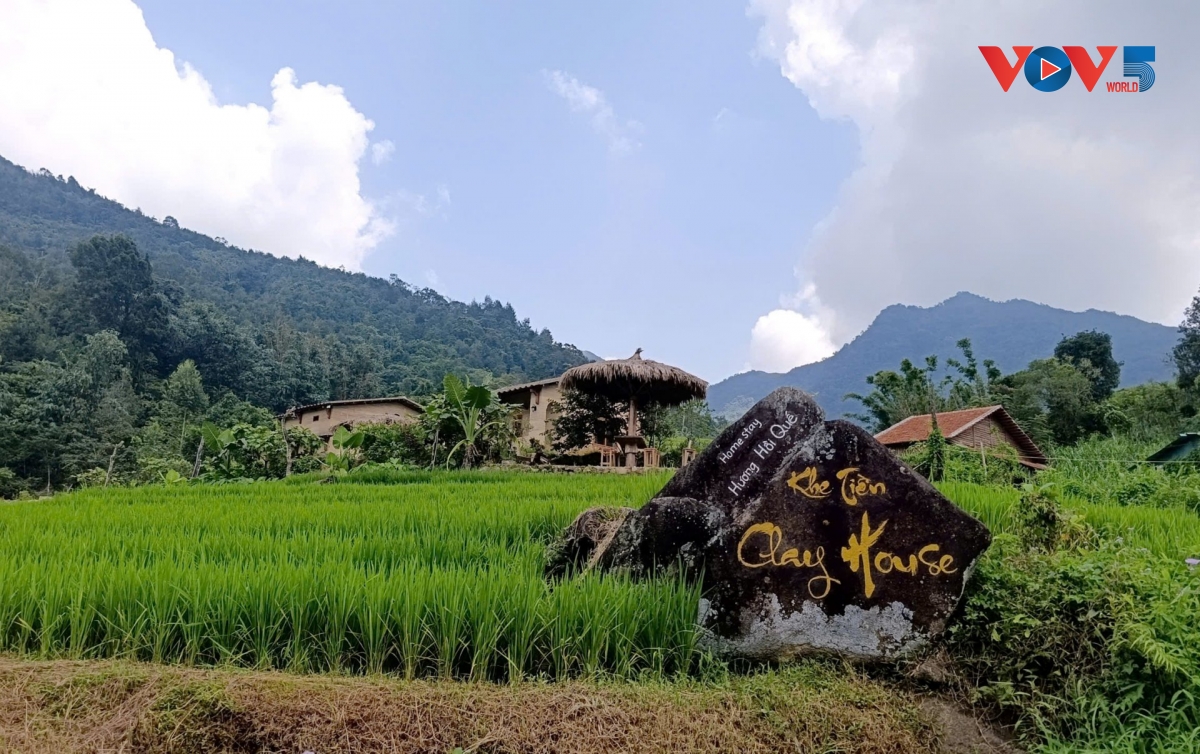
For years, Duong Phuc Thim’s family, members of the Dao ethnic group in Song–Mooc hamlet, Hoanh Mo commune, relied entirely on growing star anise and cinnamon, their profits fluctuating from year to year. Wanting a more secure livelihood, Thim began thinking about how to leverage the assets of his family and community.
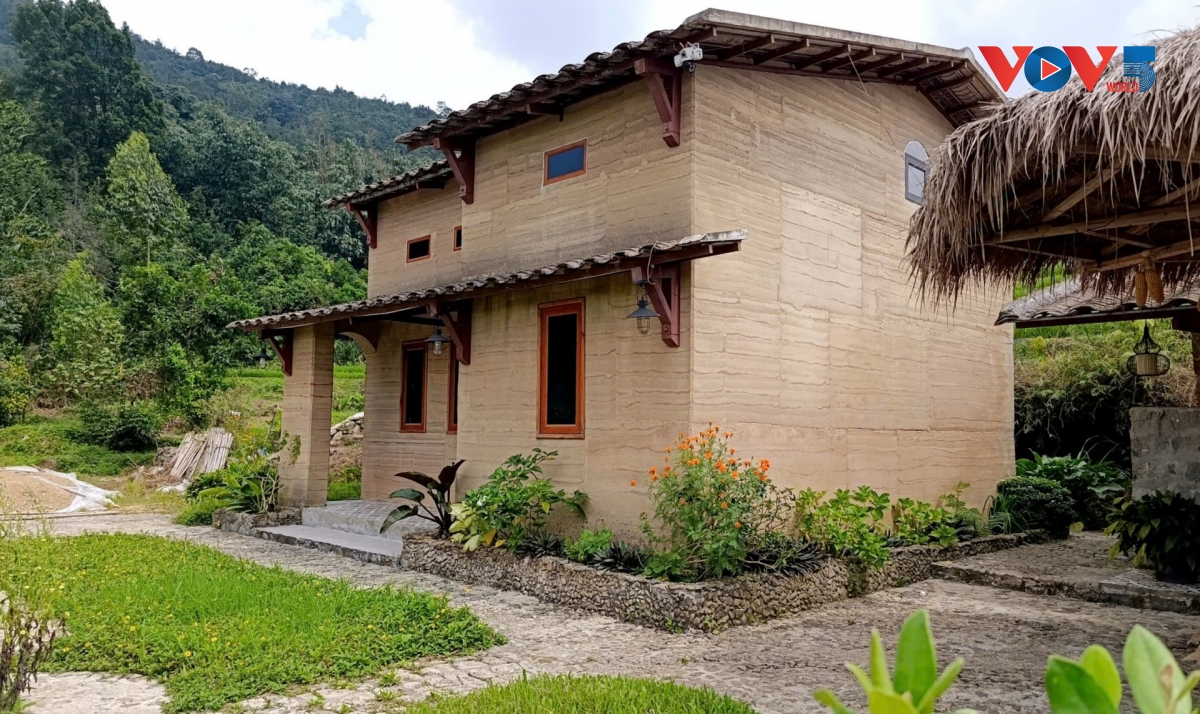
He started by renovating two traditional red-earth houses, preserving their distinctive local architecture while upgrading them to accommodate tourists. Now his family has been operating a homestay business for two years. Thim told VOV that the model not only gave him a new source of income, but it also changed how he approaches business in his hometown.
"In the past, we relied solely on star anise and cinnamon. Our income was very unstable, with some good years and some bad years. After talking about it with a friend, I started getting interested in community-based tourism. A whole year of farming earns about as much money as three months of community-based tourism," Thim recalled.
In Cao Son hamlet, Hoanh Mo commune, 35 Dao ethnic households live at an altitude of 1,000 meters. According to Nong Dieu Linh, a 26-year-old Tay ethnic woman from Binh Lieu who manages the Hoa Binh Lieu Cooperative, every household in the hamlet has at least one member involved in the cooperative’s tourism services, from housekeeping and food preparation to growing produce for the visitors.
Some families have multiple members who are employed and have insurance coverage and a stable income. Tourism has motivated residents to improve their homes, grow food staples for visitors, and learn the communication skills necessary for working in hospitality.
"As more tourists visit, Cao Son residents have more opportunities to meet people and see their homeland change,” said Linh, adding, “Everyone keeps their home clean and grows corn, sweet potatoes, and cassava to sell to visitors. Almost everyone is involved in tourism services. Some work as room attendants or in the kitchen, and others grow crops. This creates jobs for many young people. Some were initially so shy that they didn't know how to respond when guests asked them questions. Now, they’ve made remarkable progress. It's an unexpected leap forward."
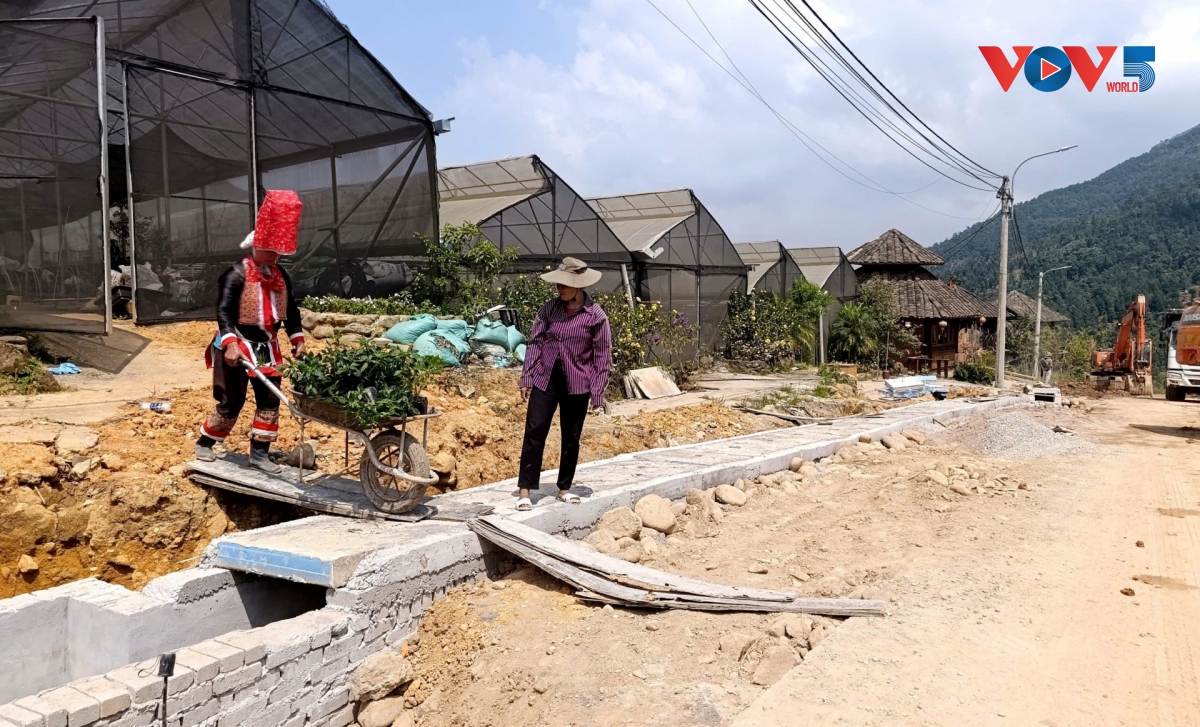
To ensure that these changes are sustainable and to secure a competitive edge, the residents will have to keep improving facilities and service quality and develop closer coordination among the local tourism workers.
Nhu Thi Ngan, Director General of the Hanoi Tourism Investment Company (Hanoi Tourism), who has years of experience in destination development and tourism workforce training in Binh Lieu, said continued investment will be needed to keep up with visitors’ expectations.
"To better accommodate visitors to Binh Lieu and other rural areas, such as Tien Yen and Hoanh Mo, particularly now that there is a border gate, we need to invest in accommodation and ensure that food and beverage services meet quality standards,” said Ngan.
“Departments and sectors need to work together to develop standardized facilities for receiving tourists. When services meet higher standards, visitors will have greater confidence and be more likely to return," she added.
Now that tourism has opened new economic opportunities in Quang Ninh’s mountain areas, sustaining the momentum will require a coordinated effort by local communities, businesses, and authorities to develop distinctive tourism products, encourage longer stays, and ensure that the profits are sustained.
Improving hospitality skills, developing signature products, and strengthening links between households will help communities respond to changing market demands. When the people of Quang Ninh are both guardians of their cultural heritage and creators of economic value, local assets can be a long-term driver of development.