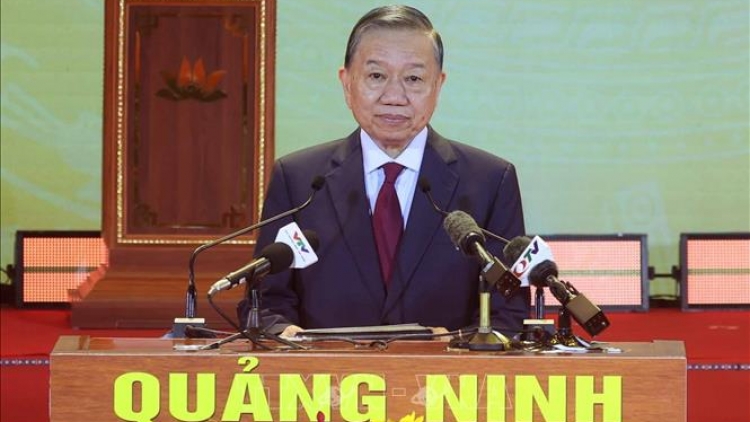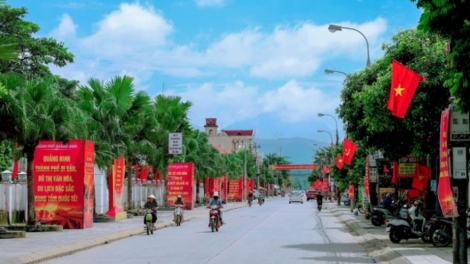




August 24, 2026, marked a historic milestone when the National Assembly adopted a resolution making Quang Ninh a city. For local residents, it was a long-awaited moment.
“We have been waiting for Quang Ninh to become a city for a very long time. I believe our hometown will now develop rapidly. Co To island will have new opportunities to thrive, becoming greener, cleaner, more beautiful, and more modern, making every resident proud.”
“We’re thrilled to see our homeland enter a new chapter of development, with a higher status and new expectations. Everyone hopes the city will become modern and civilized, with comprehensively upgraded infrastructure, a better living environment, and a steadily improving living standard.”
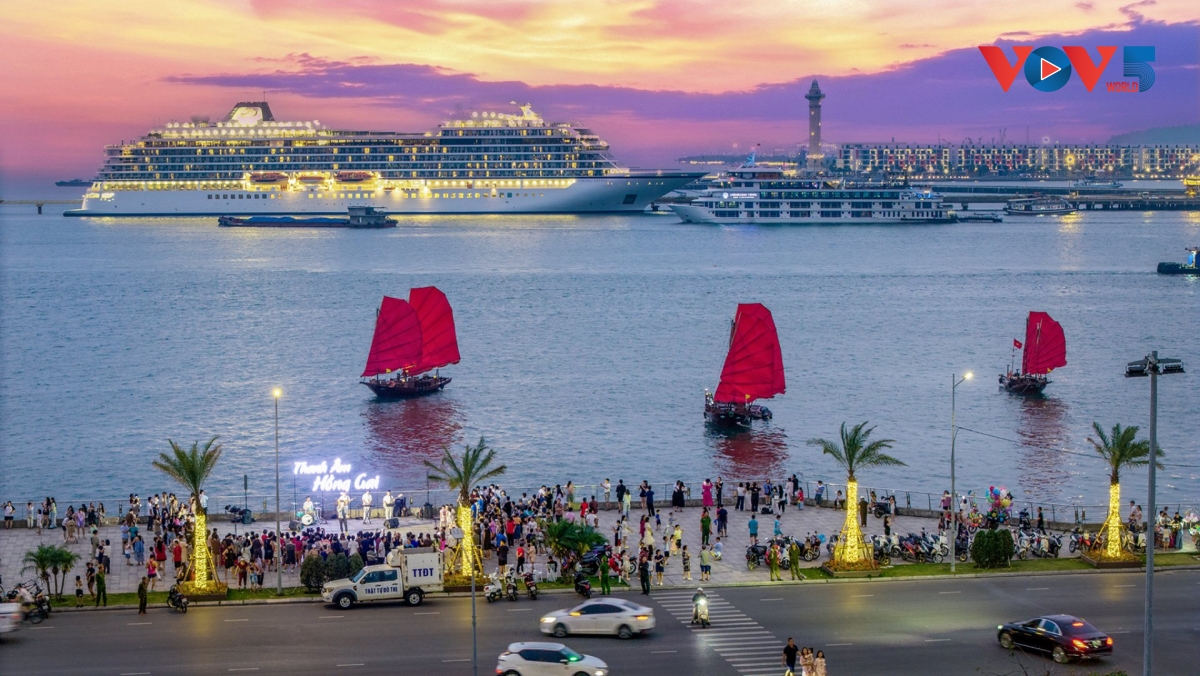
Once known primarily as a mining hub, Quang Ninh has expanded its development space. On October 30, 1963, Hai Ninh province and the Hong Quang area were merged to form Quang Ninh province. The name was suggested by President Ho Chi Minh, combining “Quang” meaning vastness, and “Ninh” symbolizing peace, happiness, and sustainability.
During his nine visits to the region, President Ho Chi Minh urged local leaders and residents to build Quang Ninh into a prosperous and beautiful province.
Building on its infrastructure advantages, including inter-provincial expressways, an international airport, and deep-water seaports, Quang Ninh has evolved from a relatively isolated coastal area into a dynamic growth engine for northern Vietnam.
These advantages now form part of a much larger development ecosystem. Under Resolution 36, Quang Ninh city covers more than 6,200 square kilometers and has a population of more than 1.5 million. It comprises 30 wards, 22 communes, and 2 special administrative-economic zones, Van Don and Co To.
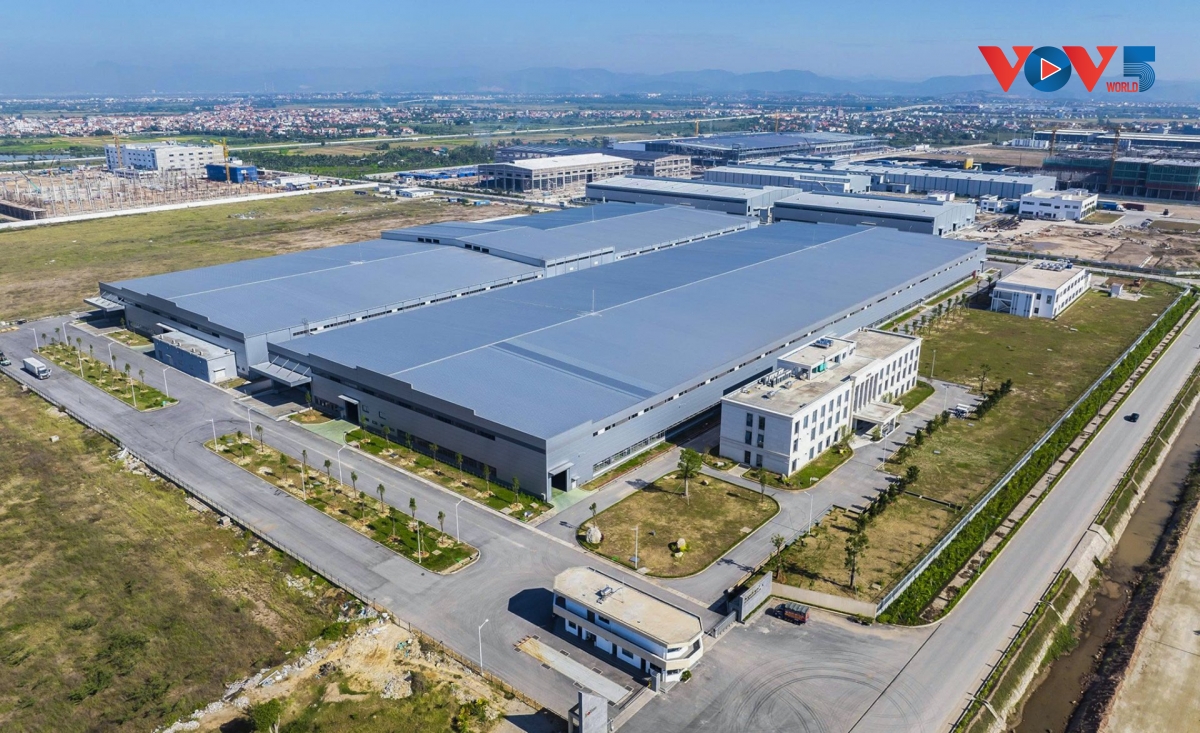
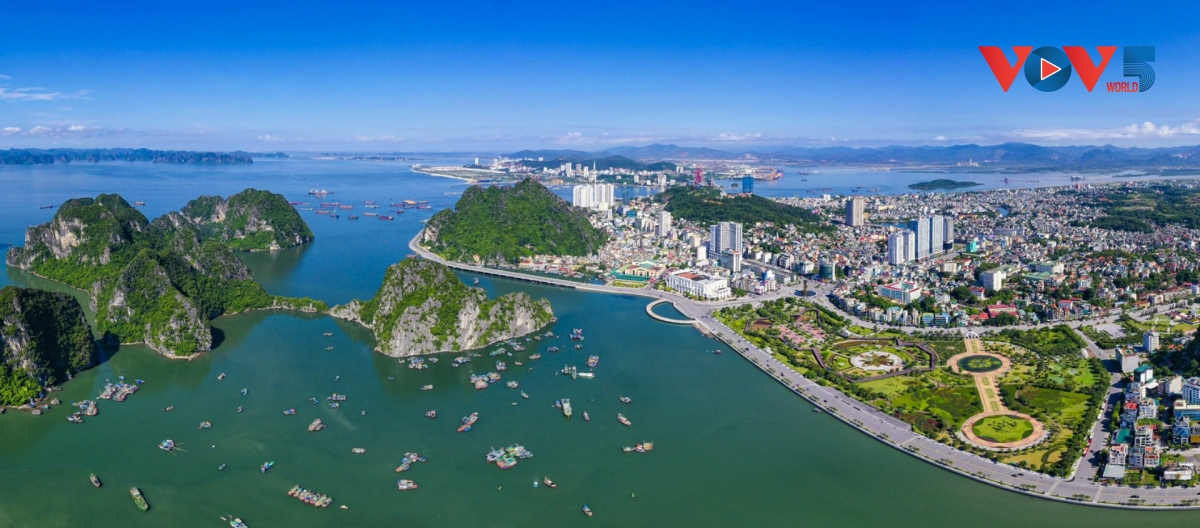
Quang Ninh occupies a strategic position with both land and maritime borders with China, and serves as the northeast region’s gateway to the sea. It’s home to urban centers, industrial zones, border gates, seaports, airports, islands, and world-renowned heritage sites like Ha Long Bay and Yen Tu. This diversity gives Quang Ninh a distinctive competitive advantage by connecting multiple economic spaces and sectors.
Nguyen Phuong Thuy, Vice Chairwoman of the National Assembly’s Law and Justice Committee, said that Quang Ninh has all the necessary conditions to become a city.
“It also has the potential and advantages to develop into an urban center and a dynamic, innovative, modern, fast-growing economic engine for Vietnam. As a city, Quang Ninh will have a governance apparatus with the necessary authority to address challenges in urban transport, infrastructure, and socio-economic development,” Thuy noted.
Drawing on its strategic location and infrastructure, Quang Ninh can pursue development on multiple fronts. Van Don can focus on the maritime economy and services, Mong Cai on border trade and the border-gate economy, and Quang Yen on advanced manufacturing and logistics. Quang Ninh’s mountain, border, and island areas can tap into the forestry economy, community-based tourism, green marine industries, and distinctive cultural heritage. Residents hope these advantages will translate into tangible opportunities.
Ly Van Thuong, a resident of Binh Lieu border commune, said, “Now that Quang Ninh has become a city, everyone is overjoyed. As our home region grows, local people will have greater opportunities to do business. In the past, we simply hoped to escape poverty. Today, we can dream of building prosperity right here on our native land.”
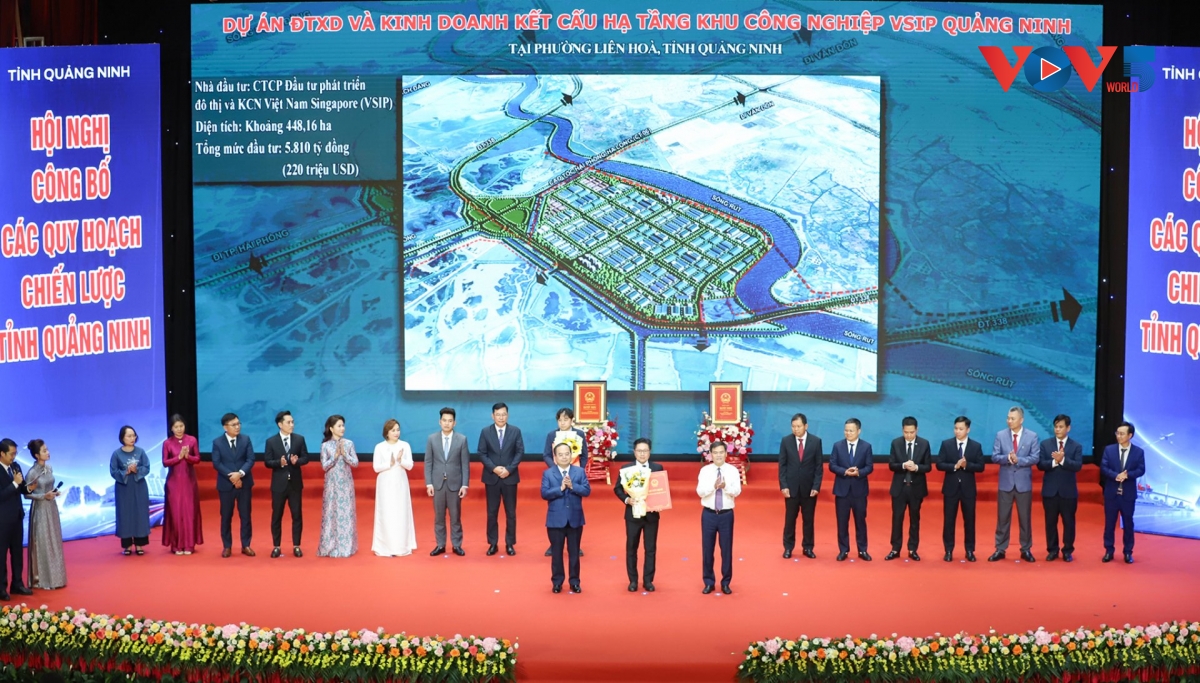
These aspirations reflect the goals set by the Quang Ninh administration: the newly designated city must turn its spatial, infrastructural, and strategic advantages into tangible improvements in people’s everyday lives.
Quang Minh Cuong, Secretary of the Quang Ninh City Party Committee, said, “Becoming a city requires us to achieve stronger and more comprehensive development. It must be a city where people truly feel happy and prosperous, and where public trust in the Party and local government is strengthened.”
Quang Ninh enters the new era with an expansive development space and exceptional advantages matched by few other localities. From a historic mining region to a world-class heritage city by the sea, Quang Ninh’s story continues. Its challenge now is to transform its structural strengths into a powerful springboard for sustainable growth and greater prosperity for its people.