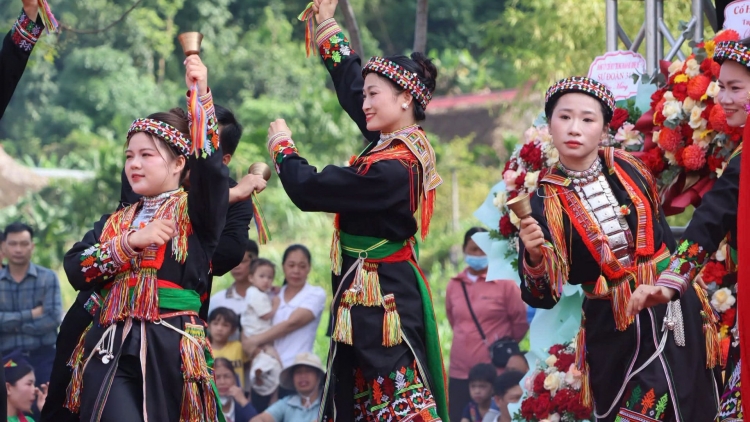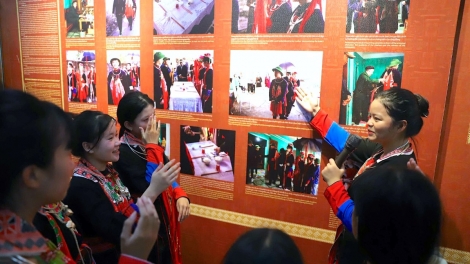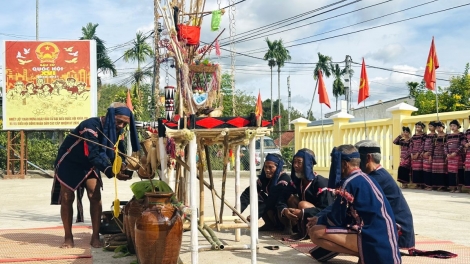




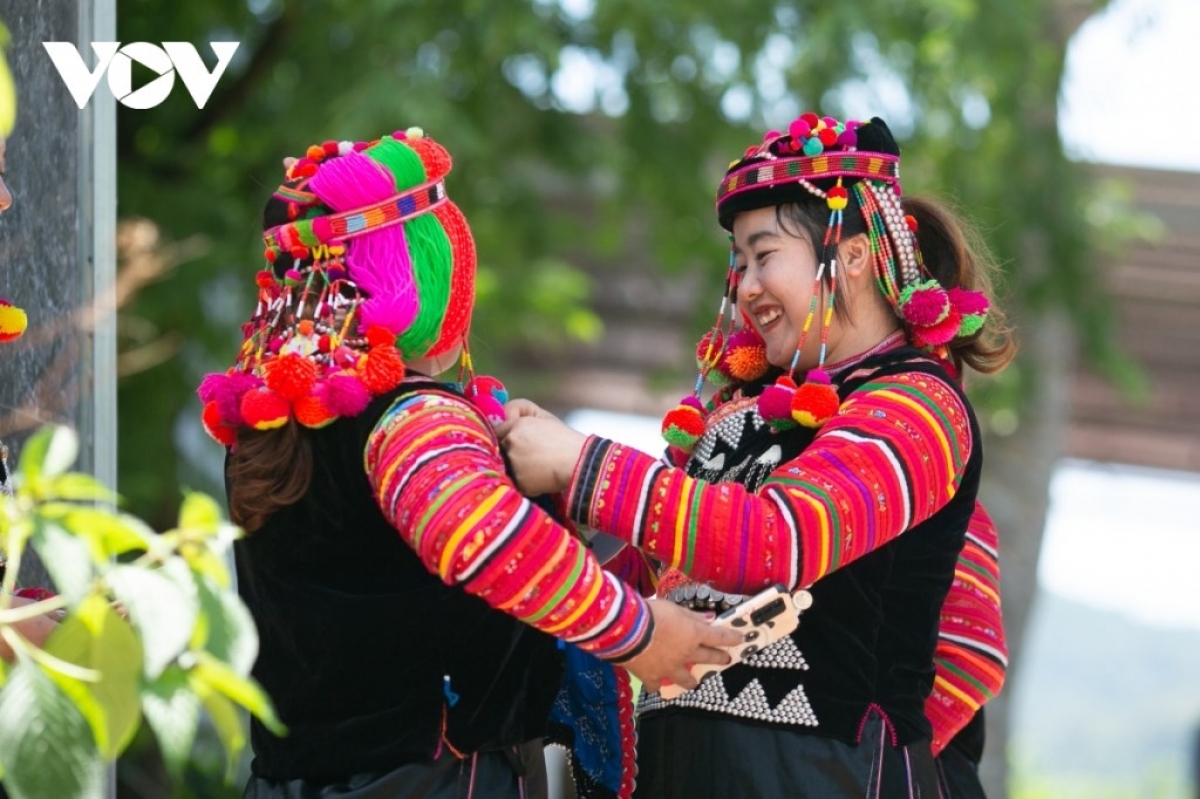
The traditional costumes of each ethnic group are more than just clothing. They reflect a rich tapestry of history, cultural identity, aesthetic values, beliefs, and the harmonious relationship between people and nature. Each outfit is a work of folk art, made over months or even years. Many garments also hold deep spiritual significance and are closely associated with important life-cycle ceremonies, including weddings, funerals, and religious rituals.
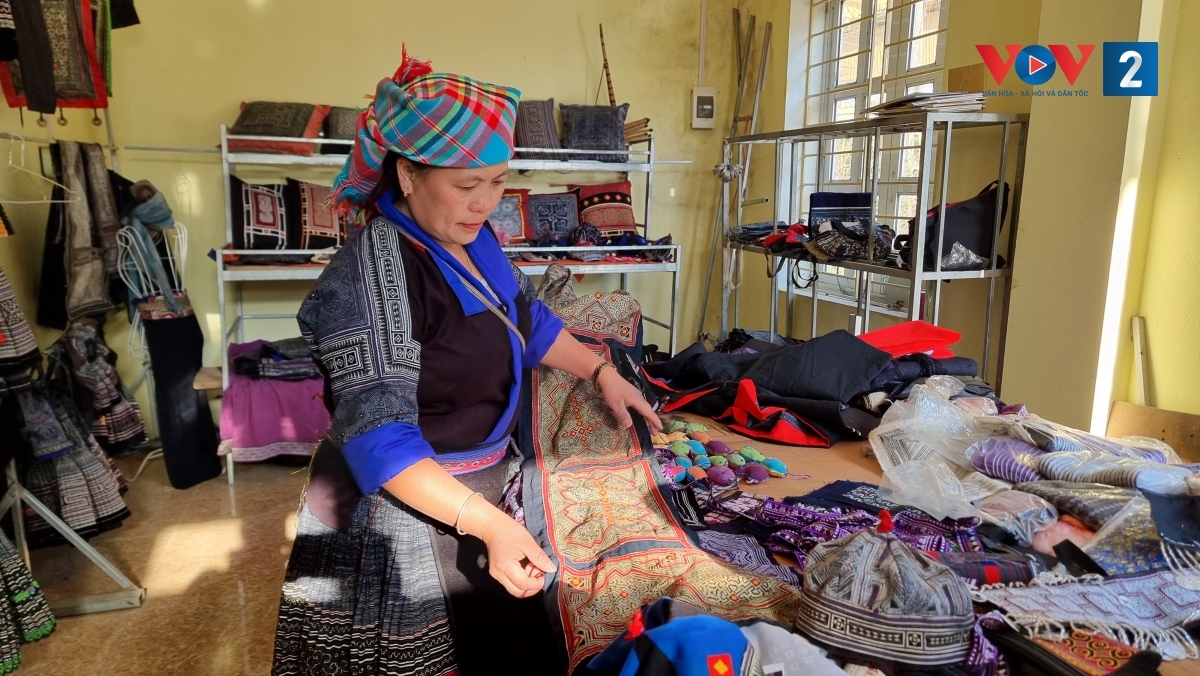
“I’m wearing a traditional outfit of the Mong ethnic group. I feel proud and happy to wear my ethnic costume whenever I walk out. People of some other ethnic groups also wear Mong outfits. I’m happy that more people can recognize the traditional clothing of my group,” a Mong girl said.
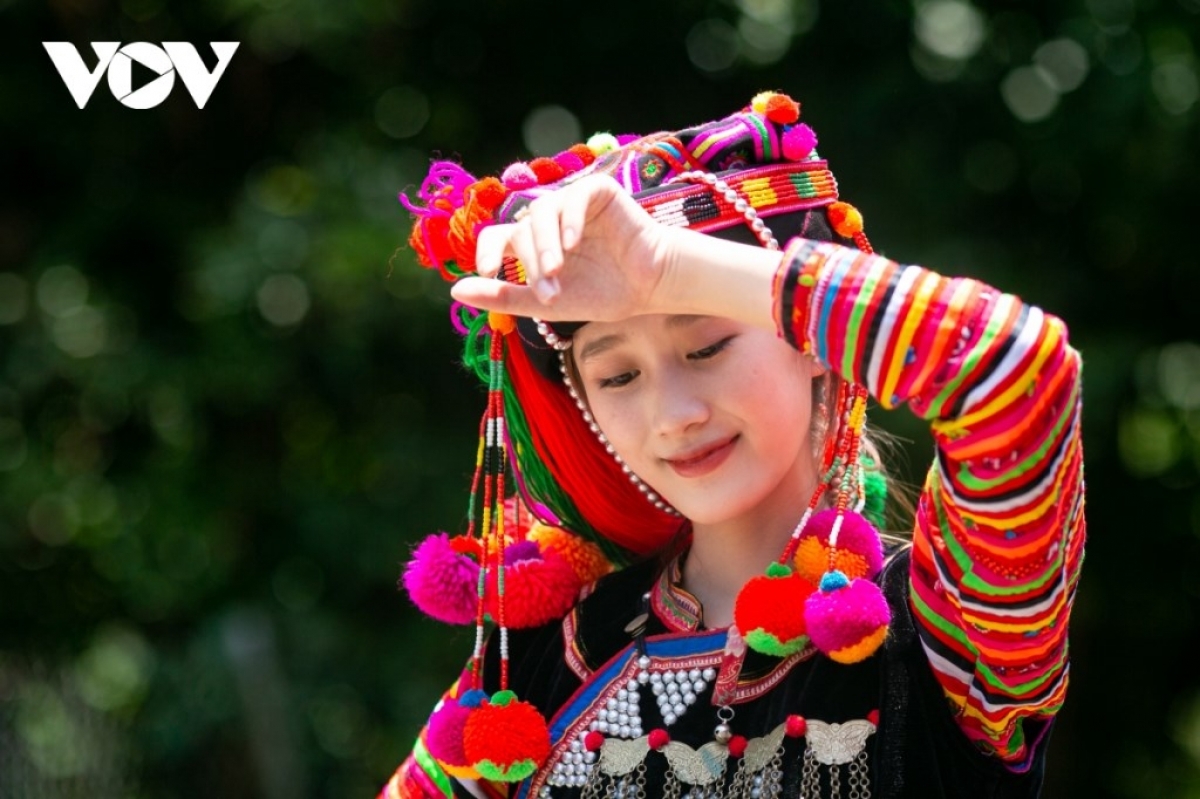
Traditional clothing from ethnic minority communities is also being adapted into everyday wear and products sold at cultural and tourism events. Many Vietnamese designers have incorporated ethnic fabrics and patterns into their collections, bringing brocade to the world of high fashion and introducing ethnic minority cultures to international audiences. Weaving cooperatives have also created jobs and helped local people earn their way out of poverty by preserving and developing their traditional craft.
At highland markets, traditional festivals, and community-based tourism destinations, visitors often enjoy having their photos taken in colorful Mong costumes, indigo-dyed Tay tunics, or distinctive Dao headscarves, taking home lasting memories of their travels.
“To ensure that ethnic minority communities’ traditional costumes continue to be part of contemporary life, we should establish a database of standardized patterns and designs for all 54 ethnic groups to serve as a reference. This is essential to preserving the original features of these costumes. We should also develop a digital map of traditional costumes and use QR codes on every rental outfit to give visitors all information about it,” cultural researcher Dr. Chu Thu Hang said.
The 14th National Party Congress adopted a resolution highlighting the role of Vietnamese culture and people as a central pillar of national development. It calls for preserving traditional costumes not just in museums, but as part of a thriving cultural economy.