






The Nung’s singing
(VOVworld) – Folk songs have been part of the Nung’s cultural treasure since days long past. The Nung consider singing folk songs a way to communicate and express their feelings to others.

The Nung’s singing
The Nung’s singing
(VOVworld) – Folk songs have been part of the Nung’s cultural treasure since days long past. The Nung consider singing folk songs a way to communicate and express their feelings to others.
Nung’s birthday celebrations demonstrate filial piety
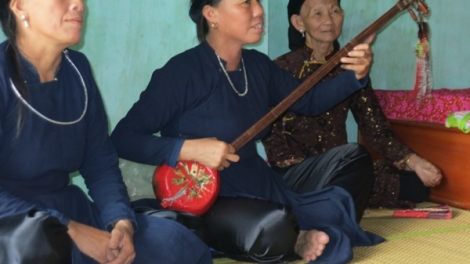
(VOVworld) – The Nung don’t commemorate the death anniversaries of the deceased. The children organize birthday celebrations for their parents to congratulate them on their longevity and show their deep gratitude for their parental merits.
Nung’s birthday celebrations demonstrate filial piety
Nung’s birthday celebrations demonstrate filial piety
(VOVworld) – The Nung don’t commemorate the death anniversaries of the deceased. The children organize birthday celebrations for their parents to congratulate them on their longevity and show their deep gratitude for their parental merits.
Then singing of the Nung
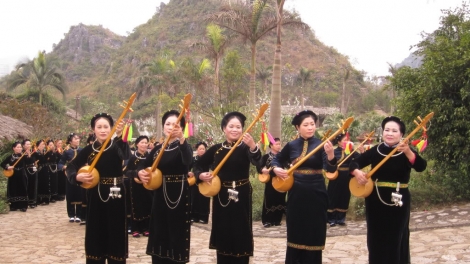
(VOVworld) – Then singing, also called Lau Then, is a traditional kind of ritual singing of the Nung. Then singing reflects the Nung’s religious life as well as their cultural values.
Then singing of the Nung
Then singing of the Nung
(VOVworld) – Then singing, also called Lau Then, is a traditional kind of ritual singing of the Nung. Then singing reflects the Nung’s religious life as well as their cultural values.
Nung’s New Year celebration and the meal to chase away bad luck
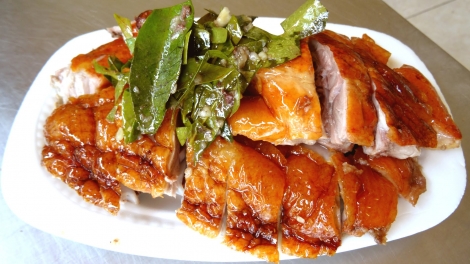
(VOVworld) – Like many other ethnic groups, the Nung’s New Year festival is the biggest event of the year. They perform several rituals to say farewell to the old year and welcome the new year. In this edition of Colorful Vietnam - Vietnam’s 54 ethnic groups, we introduce the Nung Phan Sinh’s New Year celebration and their meal to chase away bad luck.
Nung’s New Year celebration and the meal to chase away bad luck
Nung’s New Year celebration and the meal to chase away bad luck
(VOVworld) – Like many other ethnic groups, the Nung’s New Year festival is the biggest event of the year. They perform several rituals to say farewell to the old year and welcome the new year. In this edition of Colorful Vietnam - Vietnam’s 54 ethnic groups, we introduce the Nung Phan Sinh’s New Year celebration and their meal to chase away bad luck.
Wedding custom of the Nung
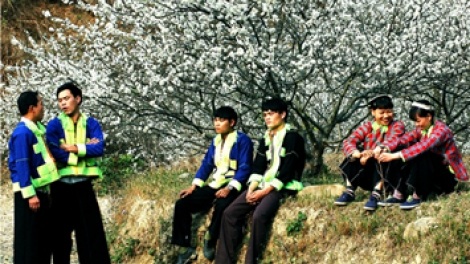
(VOVworld) - In the past a Nung marriage was arranged by the parents. Over the years, some of their backward customs have evolved and now Nung adolescents are allowed to date before getting married. Today we’ll discuss Nung wedding customs.
Wedding custom of the Nung
Wedding custom of the Nung
(VOVworld) - In the past a Nung marriage was arranged by the parents. Over the years, some of their backward customs have evolved and now Nung adolescents are allowed to date before getting married. Today we’ll discuss Nung wedding customs.
Cuisine of the Nung
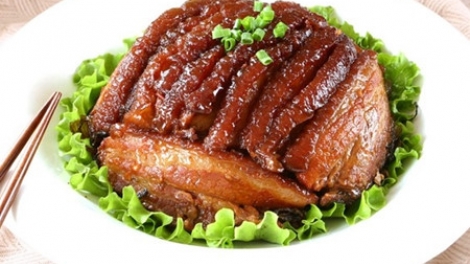
(VOVworld) - The Nung live at higher elevations and have a tradition of self-sufficiency. The Nung live close to nature and eat whatever they can grow or gather in the forest. Some of their dishes have become specialties of Lang Son’s tourism.
Cuisine of the Nung
Cuisine of the Nung
(VOVworld) - The Nung live at higher elevations and have a tradition of self-sufficiency. The Nung live close to nature and eat whatever they can grow or gather in the forest. Some of their dishes have become specialties of Lang Son’s tourism.
Land genie worship ritual of the Nung
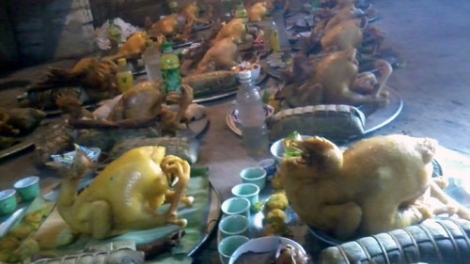
(VOVworld) – Worshiping the land genie is one of the major rituals of the Nung. When they settle in a new place to form a hamlet, the first thing they do is to build a temple to worship the local land genie. The temple is also dedicated to the founders of the hamlet. To Tuan introduces the land genie worship ritual of the Nung.
Land genie worship ritual of the Nung
Land genie worship ritual of the Nung
(VOVworld) – Worshiping the land genie is one of the major rituals of the Nung. When they settle in a new place to form a hamlet, the first thing they do is to build a temple to worship the local land genie. The temple is also dedicated to the founders of the hamlet. To Tuan introduces the land genie worship ritual of the Nung.
The Nung hamlets in Chi Lang, Lang Son
(VOVworld) – Tourists visiting the northern province of Lang Son are greatly impressed by the peaceful hamlets of the Nung dotting the valleys, hillsides, and river banks. To Tuan introduces a Nung hamlet in Chi Lang commune.

The Nung hamlets in Chi Lang, Lang Son
The Nung hamlets in Chi Lang, Lang Son
(VOVworld) – Tourists visiting the northern province of Lang Son are greatly impressed by the peaceful hamlets of the Nung dotting the valleys, hillsides, and river banks. To Tuan introduces a Nung hamlet in Chi Lang commune.
The Nung close-knit community
(VOVworld) – Nung society has developed close connections in residence, lifestyle, economics, and culture. The Nung live harmoniously and united in a close-knit community.

The Nung close-knit community
The Nung close-knit community
(VOVworld) – Nung society has developed close connections in residence, lifestyle, economics, and culture. The Nung live harmoniously and united in a close-knit community.
House of the Nung
(VOVworld) – House of each ethnic group in Vietnam have their own distinctive features embracing their cultural identity. To Tuan introduces houses of the Nung.

House of the Nung
House of the Nung
(VOVworld) – House of each ethnic group in Vietnam have their own distinctive features embracing their cultural identity. To Tuan introduces houses of the Nung.

