



The passion and paradox of the Mexican football fan
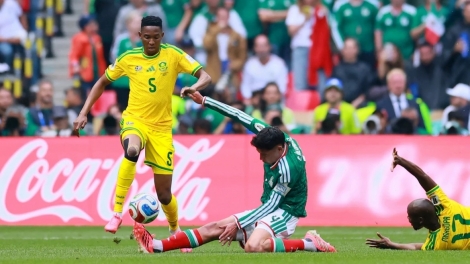
A glorious, heartwarming paradox is the first lesson young readers encounter in Villoro’s account of Mexican football. In a world obsessed with winning, Mexico holds a unique and bittersweet place in World Cup history.
As Villoro candidly told the Phenikaa audience, Mexico suffered the tournament’s first defeat in 1930 and has long endured a record of repeated participation without ultimate success.
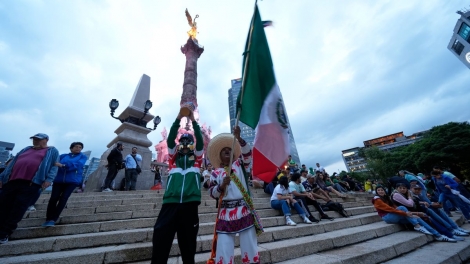
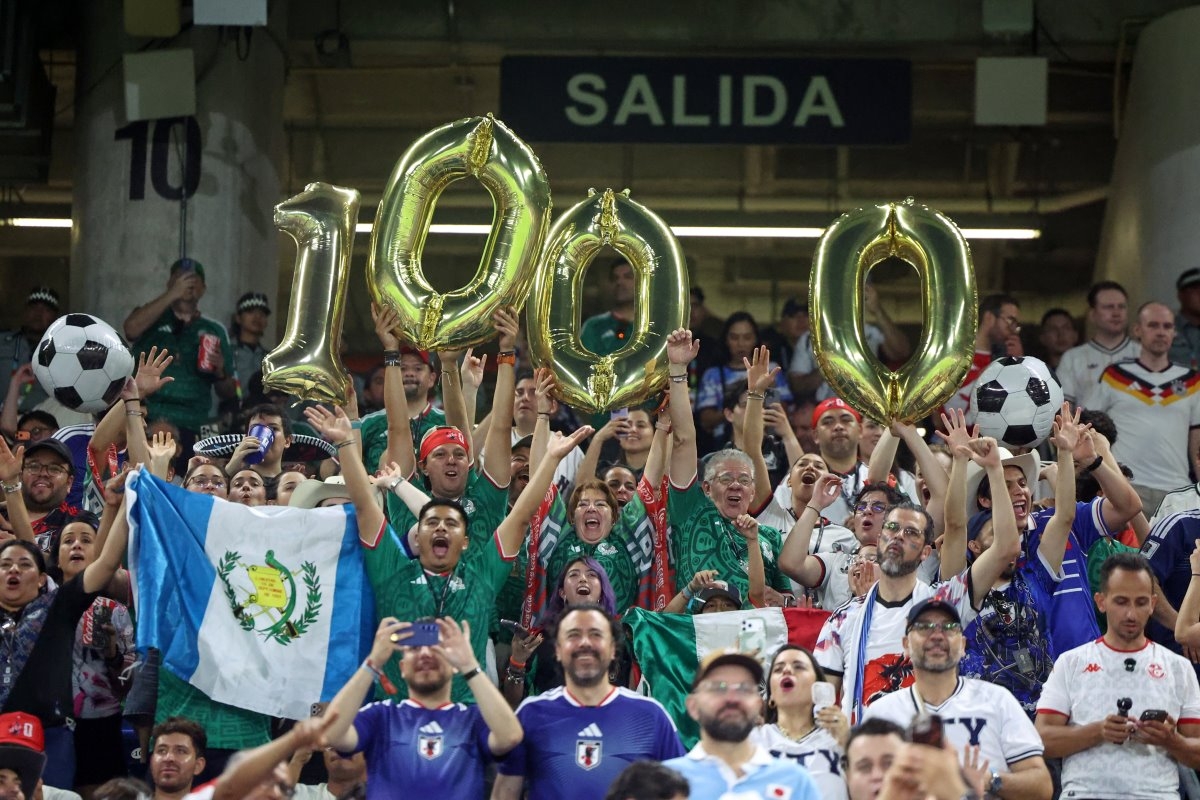
But a lack of trophies has done little to dampen the spirits of Mexicans. If football were judged solely by the devotion of its spectators, Mexico would be an undisputed global superpower, Villoro said.
"We have an extraordinary audience. The main aspect of our football is the people. So me, as a writer, I’m a fan of the fans. Why are so many people so deeply and passionately interested in football when the national team has no possibility of being a champion or go to the semifinals…or have a good position? We celebrate and we enjoy the game, even though the outcome is not positive for us," said Villoro.
For young readers, this perspective reframes the entire sport. Mexican football is a lesson in resilience and communal joy. It shows that entertainment and shared identity can be more valuable than a gold medal.
As Villoro said, if there were a World Cup of audiences, Mexico would easily make it to the final—perhaps to face off against the equally football-crazy nation of Vietnam.
Juan Villoro is regarded as Mexico’s most prolific, prize-winning author, playwright, journalist, and screenwriter. His books have been translated into multiple languages.
Several of them are in English, including his celebrated 2016 essay collection on soccer brought out by Restless Books, God Is Round.
Villoro lives in Mexico City and is a visiting lecturer at Yale and Princeton universities in the US.
A Pacific culture: rivalry without violence
In many parts of the world, intense football rivalries are synonymous with hooliganism and violence. But Villoro highlights a unique trait of Mexican football culture – its peaceful, harmonious nature, born of a shared familiarity with disappointment.
Recalling an anecdote from a trip to South America, Villoro shared a conversation he had with a fan during the fierce Argentine Superclásico match between Boca Juniors and River Plate. When a local fan asked if it was true that rival supporters in Mexico sit side-by-side in the stands, Villoro confirmed the fact.
"Yes. We’re Pacific spectators. We enjoy the game. Since our team often loses, we’re used to failure, and so we’re not violent. And you can share that attitude with somebody who supports your worst enemy.”
Peaceful coexistence is a badge of honor in Mexico. There are no hooligans there, Villoro said. Instead, there’s a collective understanding that the joy of the spectacle transcends the bitterness of any loss.

Football as literature: prose vs. poetry
But how does a writer like Villoro connect 22 players chasing a ball to the high art of literature? For him, the bridge between the pitch and the page was built when he was just 14 years old, sitting in the stands of Mexico's legendary Azteca Stadium during the 1970 World Cup final.
He recalls being inspired by an article written by the Italian filmmaker and writer Pier Paolo Pasolini, who watched Brazil defeat Italy 4-1.
"When he saw the final match between Italy and Brazil, he said, 'I’m seeing Brazil playing poetry football and I’m watching Italy play prose football'. There are two different kinds of discourses – the discourse of the poets and the discourse of the narrative. The poets won that game. For me, it was a surprise that somebody could watch a game and relate the game to literature and say, they're poetry and they're plain prose."
This dichotomy is a clue to how young readers should interpret Villoro's novel The Wild Book. In his novel, books are alive; they move, they have feelings, and they resist being read by just anyone. They demand a reader with a wild, imaginative spirit.
In the same way, Villoro views football as a living narrative, a canvas on which players like Diego Maradona or Pelé write poetry with their feet. Whether it’s Maradona scoring the infamous “the Hand of God” or his following it up with the most dazzling legal goal in history, football is full of the tricks, tropes, and magic realism that mirror Latin American literature.

The World Cup 2026: a critical, modern perspective
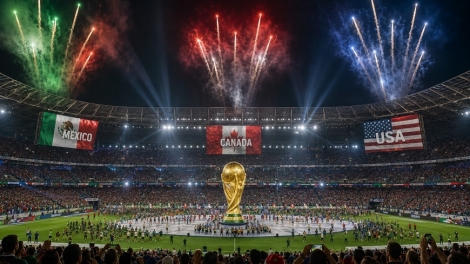
With Mexico co-hosting the FIFA World Cup with the US and Canada, Villoro did not shy away from offering a sharp, journalistic critique of the modern game's commercial evolution. For young readers and modern media consumers, his insights are a reminder to look critically at the forces shaping global entertainment.
Villoro expressed mixed feelings about the tournament, pointing out the grueling logistics, extreme climate shifts from high altitudes to sea level, and ticket prices skyrocketing to 10,000 USD, alienating the working-class fans.
Yet, despite heavy commercial manipulation and geopolitical complexities, Villoro still believes in the pure, unadulterated "magic" of the sport. "There are a lot of political problems. It's going to be a very complicated World Cup from the logistics and political aspect, but the play itself, the magic of the game, I hope we’ll see that on the pitch."

A masterclass for the youth
Ultimately, Juan Villoro’s message to the youth of Phenikaa University – and to all young Vietnamese readers – is to find their own "wild book" in life, whether in literature, science, or sports. Football is never just a game; it’s a way to understand psychology, history, politics, and human devotion.
"That's why I write about football to understand our time, to understand the way people behave, and to understand how people have certain devotions that can only be explained through football. Football is an extraordinary passion, and you’ll find there a wealth, a real richness of opportunities to understand, not only the game itself, but the world that surrounds the game," said Villoro.