



Over the past 65 years, Vietnam has made a sustained effort to address the consequences, support the victims, restore the contaminated environment, and enlist international cooperation to heal the wounds of the past.
Mobilizing all available resources
According to figures released by Vietnam, some 4.8 million people were exposed to Agent Orange/dioxin, including 3.1 million who were direct victims. Health consequences have persisted through multiple generations.
Behind the figures are individual tragedies. Nguyen Tan Dau, an Agent Orange/dioxin victim in Quang Tri province, said: "I served on the battlefield in the central region from 1968 to 1971. I was exposed to Agent Orange/dioxin and have suffered from many illnesses. I can no longer function normally as a man. I have 10 children, but five died and one was born with disabilities."
Dealing with the consequences of chemical exposure is a long-term task. Since 1998, the National Assembly Standing Committee has issued 3 ordinances on policies for people with meritorious service, including those who took part in the resistance war and were exposed to chemical toxins, as well as their biological children.
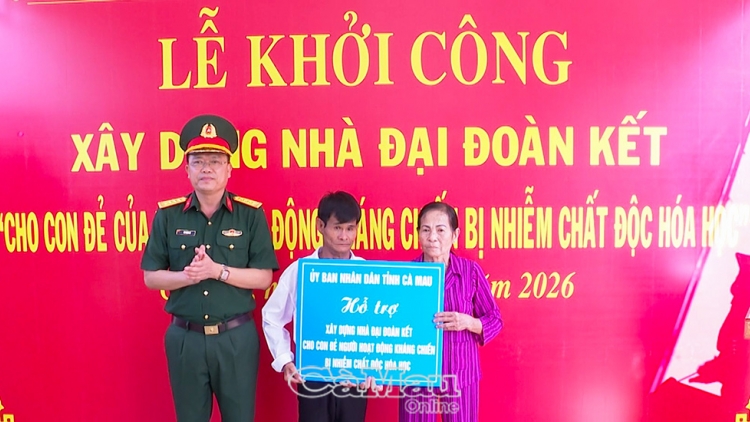
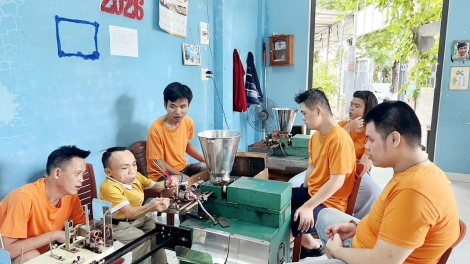
The government, ministries, and agencies have introduced multiple measures of financial assistance, healthcare, rehabilitation, vocational training, livelihood support, and better living conditions for the victims.
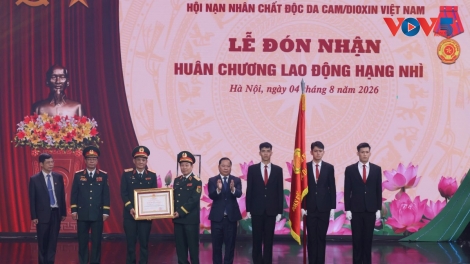
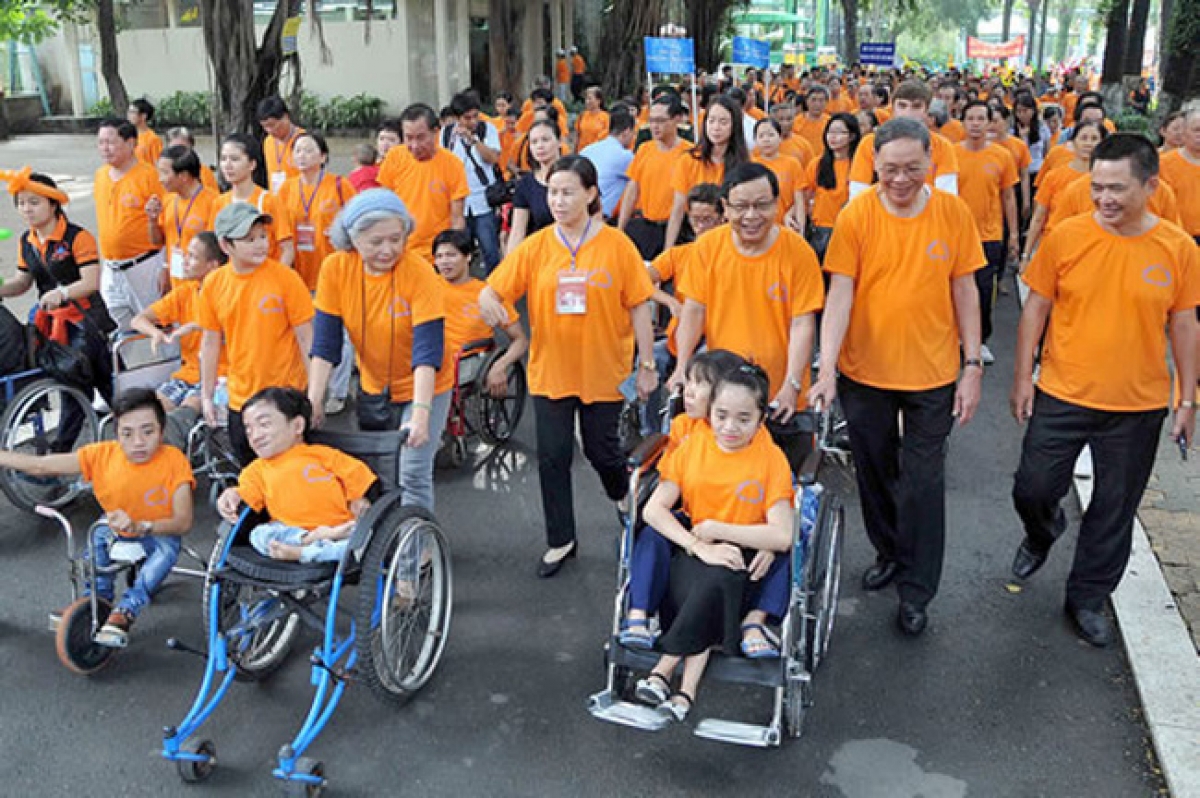
The Vietnam Association for Victims of Agent Orange/dioxin and other organizations and individuals have also been working to raise public awareness and advocate for the rights of the affected people.
Colonel Pham Xuan Hung, Vice Chairman of the Association and Director of the Vietnam Agent Orange/dioxin Victims Fund, said: "The struggle for justice has been extremely difficult and demanding. We are currently supporting Ms. Tran To Nga, an Agent Orange victim who holds both French and Vietnamese citizenship, in her efforts to seek justice for victims and demand accountability from US chemical companies for the consequences of chemical toxins used during the war in Vietnam. We see this as a long-term struggle."
Promoting international cooperation
The scale and complexity of the consequences of war mean that no country can resolve them entirely on its own, so Vietnam is working with governments, organizations, scientists, and individuals around the world.
International cooperation covers support for victims, assistance for people with disabilities, rehabilitation, and environmental remediation and restoration.
Vietnam-US cooperation stands out in this effort. The two countries, once on opposite sides of a war, have gradually built a partnership in which addressing the consequences of war has become an important area of trust-building.
The remediation of dioxin contamination at former military sites is a good example. At Da Nang Airport, more than 32 hectares of contaminated land were remediated and handed over in 2018. At Bien Hoa Airport, a remediation project is being carried out during the 2020-2030 period, with 183 million USD in funding committed by the US.
By October 2025, 6 hectares of land had been handed over following remediation. At the handover ceremony in October 2025, former US Ambassador to Vietnam Marc Knapper highlighted the significance of the two countries' joint efforts.
"Today, we're celebrating actually three different events. The first is the handover of six hectares of land that's been remediated of dioxin. The second is a signing of an annex to an agreement to provide assistance to people with disabilities. Now 32 million additional dollars, which will expand the reach of this program to assist persons with disabilities. And then finally, the groundbreaking for a new thermal treatment plant, to help clean up more effectively and more quickly, we hope, the land that remains contaminated here. And this is just so meaningful because, of course, our war legacy cooperation has been foundational to the two countries, our two countries' friendship, our partnership. It's helped to build trust and promote reconciliation."
The 65th anniversary of that tragedy this year is an opportunity to look back on a painful past and renew our commitment to peace, reconciliation, and sharing the task of building a better future.