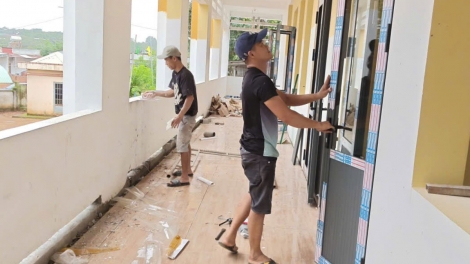




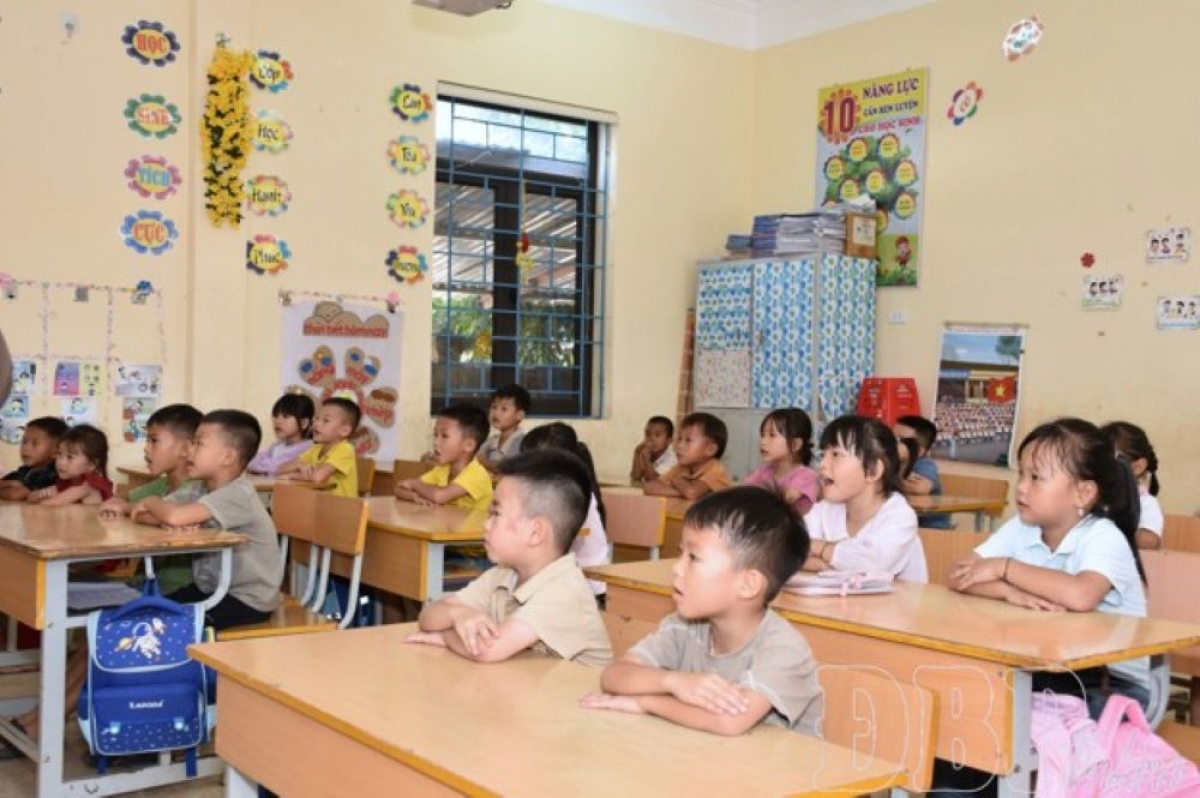
With the 2026-2027 academic year just days away, students nationwide are preparing to return to school. In remote mountain villages and border communities, many will begin their new school year in new, well-equipped schools. Both parents and schoolchildren are excited about stuyding in new schools:
“Each student in my class has their own desk, and there is even a TV. In our dormitory room, we have desks and chairs for studying, as well as individual cabinets for clothes and shoes. I really like it.”
“The new school is very beautiful. It even has a swimming pool and a football field. I feel very reassured about having my child study here.”
Better learning conditions give children a strong foundation for the future. Associate Professor Dr. Bui Hoai Son, a full-time member of the National Assembly’s Committee on Culture and Society, said: "Building multi-level schools in border areas is a humane policy. For children in remote mountain areas, geographical distance, difficult transportation, family poverty, and inadequate educational facilities are barriers to education. A good school that’s close to home and provides safe learning and living conditions will give children a place to develop their knowledge, skills, and character. Investing in border area schools means investing in people and in the future of border communities. It’s the most sustainable way to strengthen people’s trust in the policies of the Party and State.”
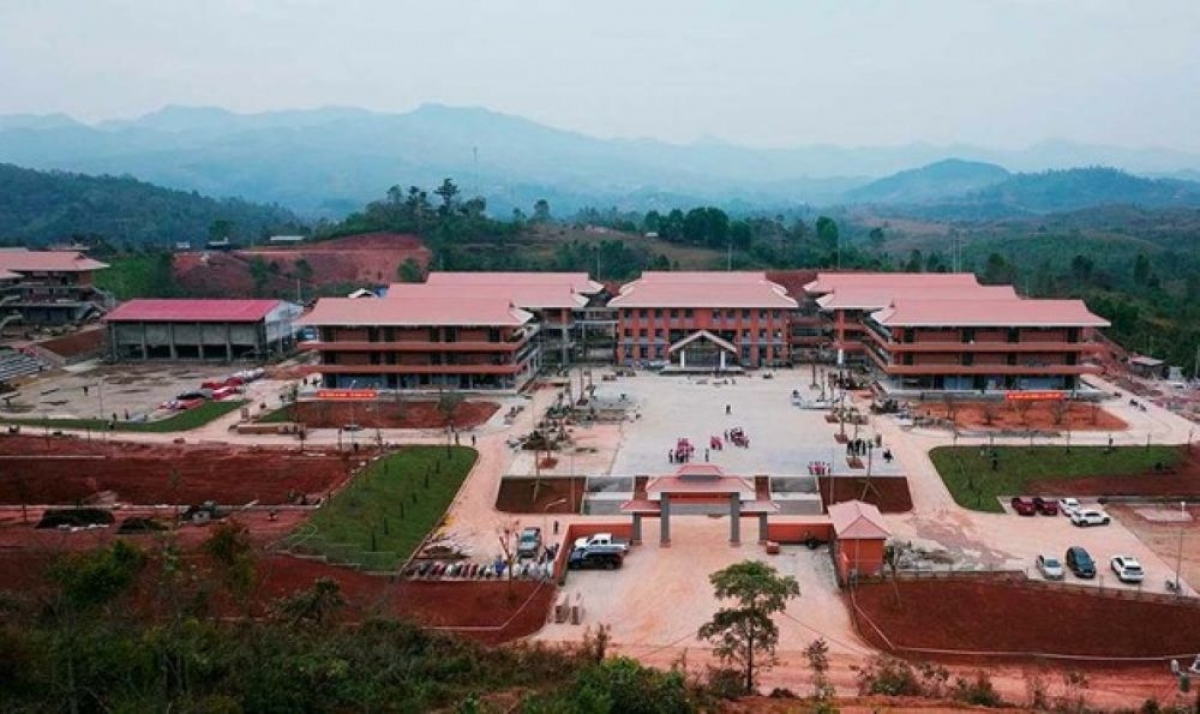
Investing in education builds a foundation for border development
The plan to build multi-level boarding schools in border communes reflects a long-term vision for improving human resources, socio-economic progress, and living standards in strategically important border areas.
The Politburo approved a plan to invest in schools in 248 border communes with 100 schools to be built in the first phase. The aim is to address immediate infrastructure needs and establish a school system better suited to the conditions of border communities.
Party General Secretary and State President To Lam said at the inauguration of the Si Pa Phin Primary and Lower Secondary Multi-level Boarding School in Dien Bien province in January this year:
Mr. Lam said: “For border areas, remote, and isolated regions, education is not only about raising educational standards and developing human resources but is a fundamental and long-term way to safeguard national sovereignty — through people and communities closely connected to their land, villages, borders, and boundary markers. Investing in a system of multi-level boarding schools in border communes is a sound decision with profound political, social, and humanitarian significance.”
Ensuring an adequate teaching staff and a supportive living environment for all students will be crucial to the policy’s long-term effectiveness.
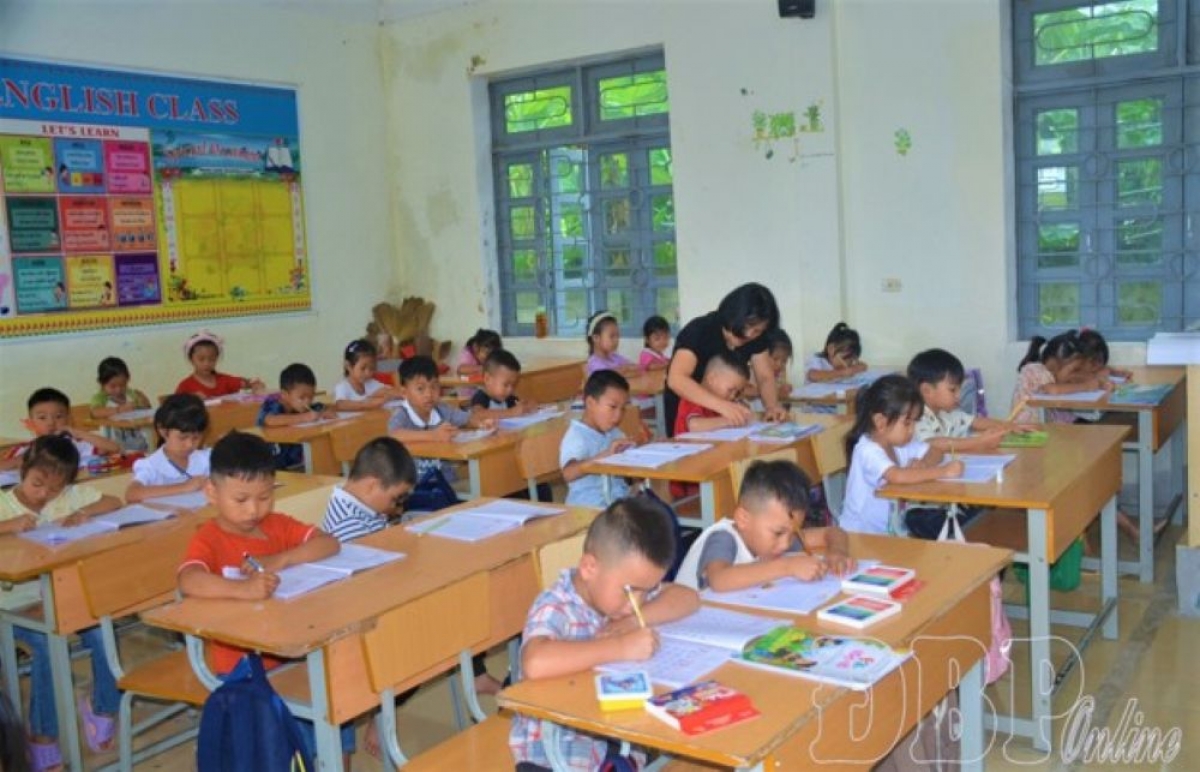
Professor Son said: “I believe the impact of these schools will extend far beyond education. They offer children an opportunity to change their future through knowledge, broaden their career choices, and confidently engage with the wider world while continuing to value their local identity. When their children can study in a good, safe environment, parents will have greater confidence and motivation to stabilize their life and develop their livelihood."
"Schools can become centers of culture, knowledge, and social connection, contributing to higher educational standards, better healthcare, and the preservation of the languages, customs,and cultural values of local ethnic communities. In the long term, when children in border areas are given equal opportunities to develop, they will become the human resources needed to build their hometown. Every school on the border does more than teach children to read and write, it grows confidence, aspiration, and vitality within the community,” added Mr. Son.
Providing a quality education in remote mountain and border areas is a way to ensure every child’s right to an education, narrow disparities in educational opportunities between regions, and build a stable foundation for local development. The ultimate aim is to improve the quality of education and support the development of every child.