



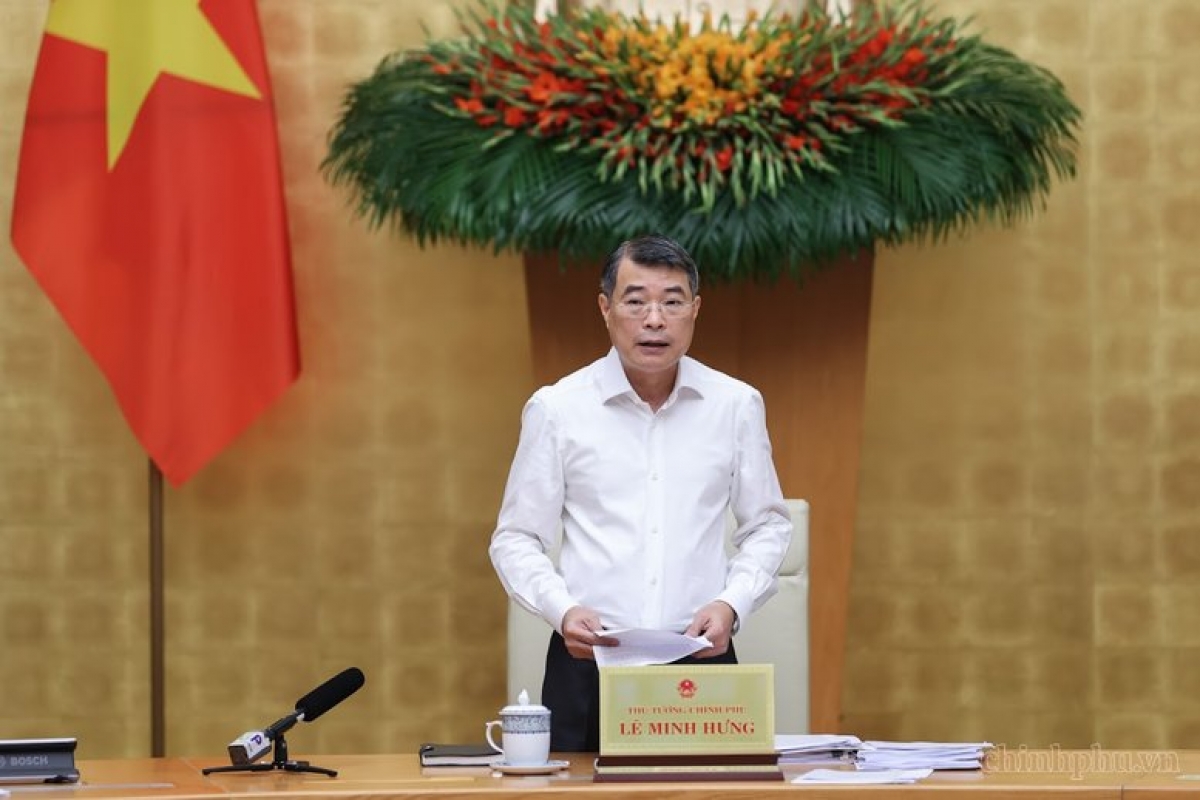
At the Government’s regular meeting for September last Sunday, Prime Minister Le Minh Hung asked localities to comprehensively review and identify current growth drivers and potential, particularly industries, sectors, and projects capable of generating added value.
Double-digit growth is inevitable
Over the last nine months, Vietnam’s economy has maintained positive growth momentum. GDP grew 9.01%, with third-quarter growth reaching 9.95%. According to the Government, to achieve the annual double-digit growth target, fourth-quarter GDP must expand by more than 12.5%.
Current growth drivers must be maintained and resources that haven’t yet been converted into output, investment, consumption, and added value must be put into operation quickly. The ambitious annual growth target is closely linked to Vietnam’s long-term development orientation.
“The double-digit growth target is extremely challenging. But it’s inevitable that we will achieve our national development goals by the Party’s 100th anniversary in 2030, the nation’s 100th anniversary and the goal of becoming a developed country with a modern industrial economy by 2045. We have a clear direction and a coherent development path, and our forces are ready. What we need now is strong determination and effective action,” said Minister of Finance Ngo Van Tuan.
As Vietnam enters the final stretch, it must identify any untapped growth potential and quickly turn it into tangible growth.

Momentum, stature, and capacity for growth
The potential growth in the last quarter lies in production, investment, consumption, exports, and public investment disbursement. Prime Minister Le Minh Hung is asking localities, particularly major growth hubs, to play a bigger role.
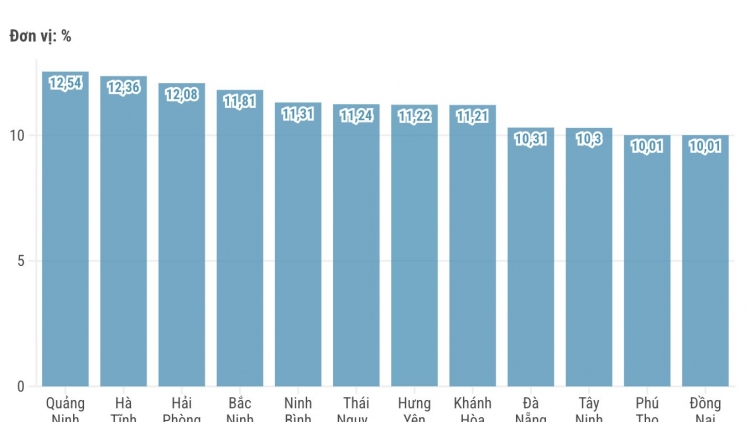
"Major growth poles with large economies, such as Hanoi, Ho Chi Minh City, Hai Phong, Quang Ninh, Dong Nai, and Bac Ninh, must set higher targets and tap their full growth potential. They must adopt measures that can be implemented immediately and make greater contributions to national growth."
"Localities whose growth remains below their target and who expect to fall short of their full-year target must assess their growth potential and immediately implement strong, specific, and effective measures to achieve as much as possible of their target," according to the PM.
Bac Ninh province, whose GRDP grew nearly 12% over the past nine months, ranks fourth in the nation. Nguyen Dinh Hieu, Director of the Bac Ninh Department of Finance, said: "Bac Ninh is now a centrally governed city, which sets higher requirements in size, quality, and sustainability. The province is shifting decisively from a growth model based on capital, labor, and expanded production to one driven by science and technology, innovation, digital transformation, productivity, and added value."
"To sustain double-digit growth, Bac Ninh must create new growth drivers from high-tech industries, semiconductors, artificial intelligence, logistics, urban services, and the digital economy."
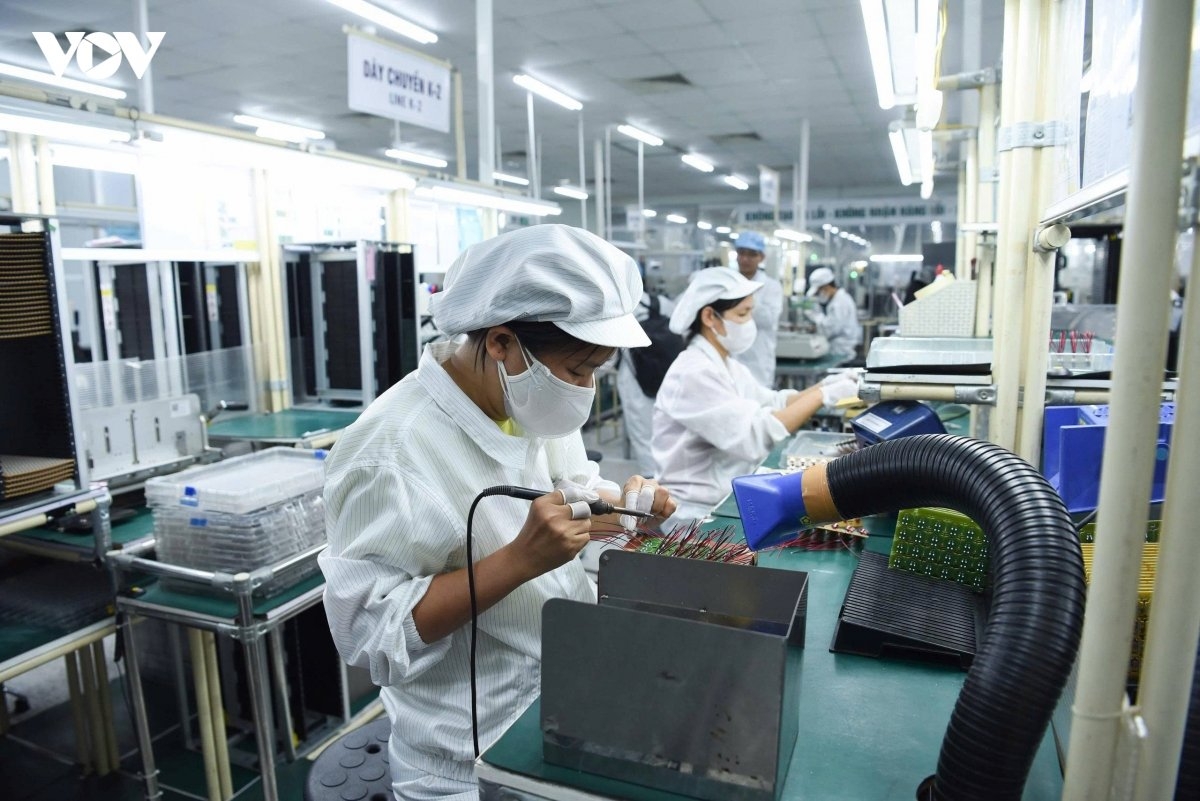
Striking a balance between high growth and growth quality is a challenge for the entire economy as Vietnam enters a new stage of stronger development. Bui Minh Giap, Chief Economist with the Asian Development Bank (ADB) in Vietnam, said: “Vietnam’s current challenge is to maintain high growth while improving the quality of growth. We have a strong foundation for growth. But to achieve sustainable growth, we must decisively shift from expanding input factors to improving productivity, quality, and the economy’s resilience over the medium and long term.”
In the final stretch of the year, all localities and sectors are being required to step up their efforts to achieve the whole-year growth target by tapping their full growth potential, removing bottlenecks, and creating new growth drivers.