



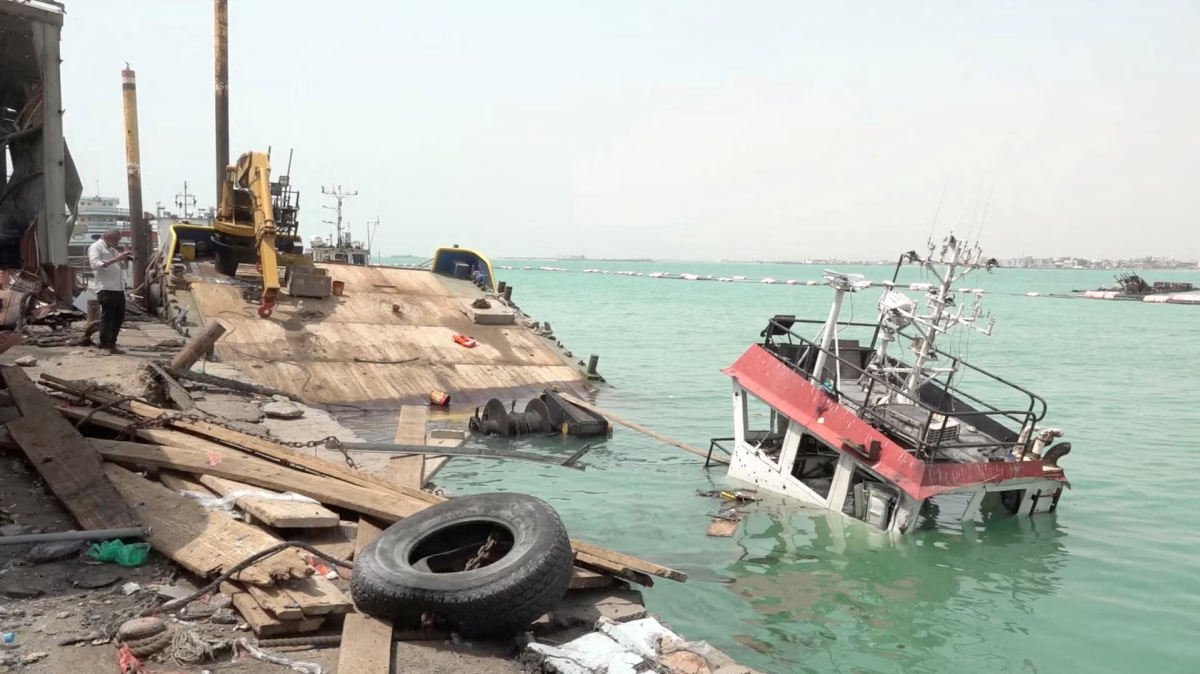
On September 10, the Houthis took control of the port city of Mokha on Yemen’s west coast after days of fierce fighting against Yemeni government forces, expanding their control to the Red Sea’s Bab al-Mandab Strait, a vital shipping route.
A blow to Saudi Arabia
The Houthi forces’ unexpected advance in Yemen is creating major security challenges for the Middle East, especially Saudi Arabia.
For years, Saudi Arabia, an ally of Yemen’s internationally recognised government, has carried out multiple military operations against the Houthis without significant success.
Recent developments in the region show that Houthi threats to Saudi Arabia are no longer confined to Yemen’s borders. The Houthis have launched attacks deep inside Saudi Arabia, targeting military facilities, energy infrastructure and southern cities.
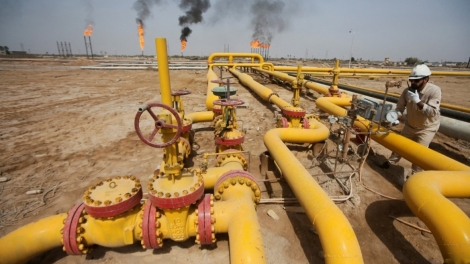
On September 11, Saudi Arabia had to shut down its strategic East-West oil pipeline, which has the capacity to transport 4–5 million barrels of oil per day, nearly 5% of global oil supplies. This route has been a vital “escape route” for Saudi oil exports since the Strait of Hormuz was blockaded.
Samina Sultan, senior economist for European economic, trade, and fiscal policy at the German Economic Institute, said: “The attacks of the Houthi rebels put an additional pressure on Saudi Arabia. Because so far it could sort of bypass the Strait of Hormuz, which is blocked by Iran, by going through the Bab-el-Mandeb. But now with the Houthi attacks this sort of leeway is blocked as well, or coming under additional strain. That is obviously a very serious hit for Saudi Arabia.”
In the current situation, Saudi Arabia has few options. Military escalation has proven ineffective. It’s unrealistic to hope for direct intervention by its most important ally, the US, as Washington is already committing substantial resources to its conflict with Iran and is unlikely to risk another military adventure in Yemen. Diplomacy appears to be a more viable option, although initiating direct talks is a major challenge right now.
Risks to a vital trade route
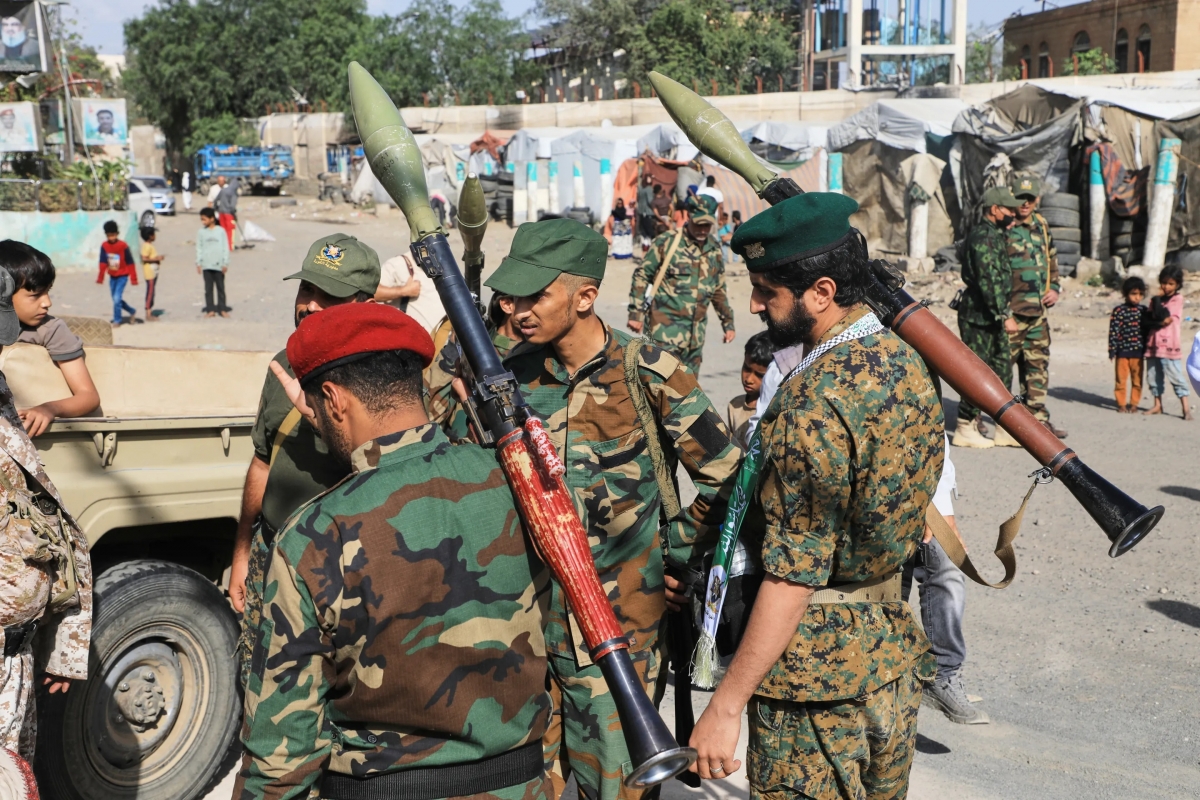
A major concern is the Houthi’s intensified effort to control the Bab al-Mandab Strait at the south end of the Red Sea. They have seized Perim Island and the Greater and Lesser Hanish Islands, dividing the strait and threatening maritime traffic.
If the Houthis succeed in cutting off the Bab al-Mandab Strait while Iran maintains its blockade of the Strait of Hormuz, Iran and its allies will control two of the world’s most important energy chokepoints. They could choke off 7% of global oil supplies and 12% of global trade, particularly between Asia and Europe.
Observers say the Houthis, allies of Iran, are evolving from “a factor” into a potential game changer. David Schenker, a former US Assistant Secretary of State, said this is a huge source of leverage for the Iran-aligned forces.
Fawaz Gerges, a Middle East analyst and former Director of the London School of Economics, says holding strategic islands in the Red Sea gives the Houthis greater geopolitical leverage over Saudi Arabia, the Gulf states, the US, and global trade.
Farea Al-Muslimi, a Research Fellow at Chatham House’s Middle East and North Africa Programme, said: “When the Houthis showed up to Bab-el-Mandeb and the Red Sea after the October 7, in November 2023, at a very low cost and with very limited resources, they actually erupted international trade. They increased insurance prices. They even provoked the entire EU to create the Aspides operation to protect EU ships.”
"So it's a pretty significant in which it sits where it sits as a strait, but it's right now double importance keeping in mind that the Strait of Hormuz is already blocked by the Iranians,” said Farea Al-Muslimi.
The big question is whether the Houthis’ strategic leverage, combined with Iran’s tough stance, could mark a turning point in the US-Iran conflict. The US has two choices of either intervening and devoting resources to a second front, or making some concessions to Iran and the Houthis.
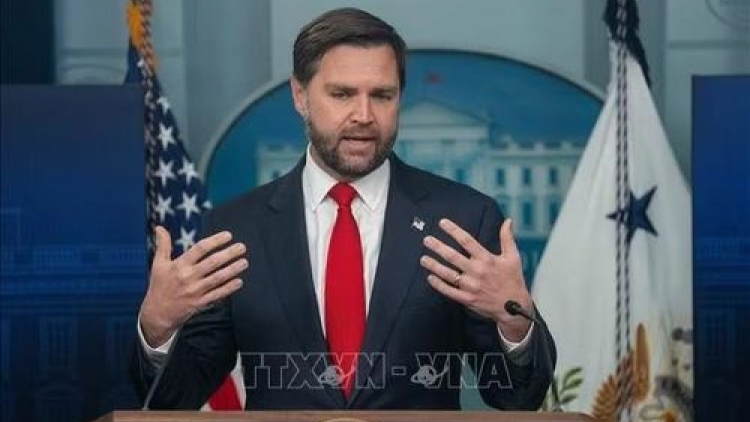
Diplomacy may be the best option. US Vice President J.D. Vance said Monday that the US is holding direct talks with the Houthis to contain the situation and protect the interests of the US and its key allies, Saudi Arabia and the United Arab Emirates.