



After years of tension and strategic competition, the US and China are signaling a shift toward a more stable relationship, which is expected to significantly impact the global security and economic environment.
“Constructive strategic stability”
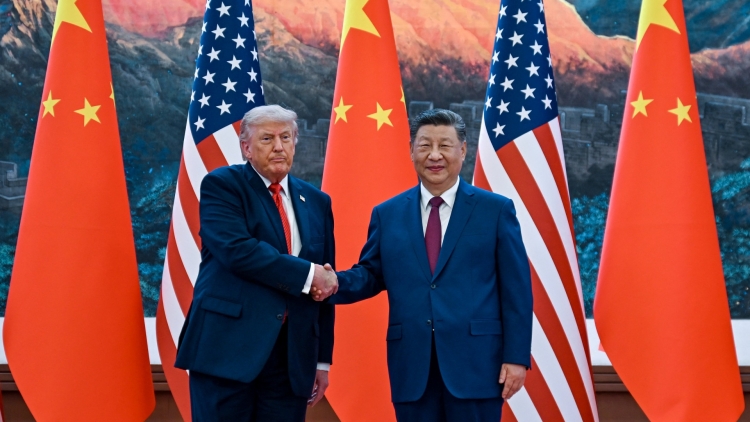
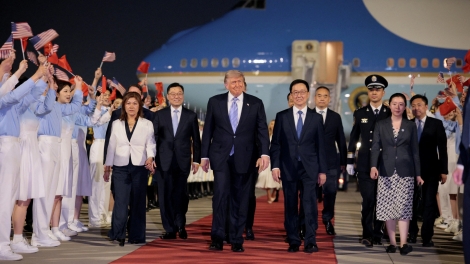
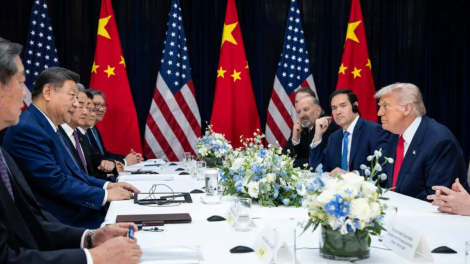
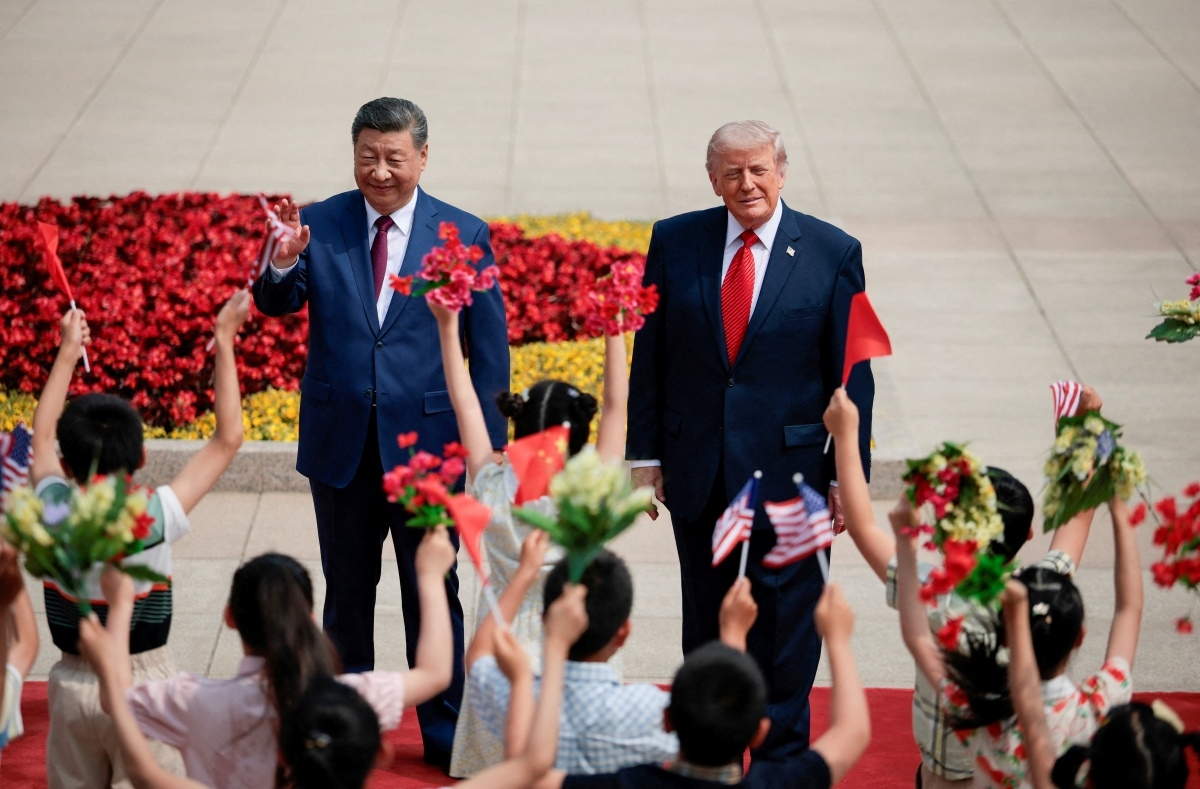
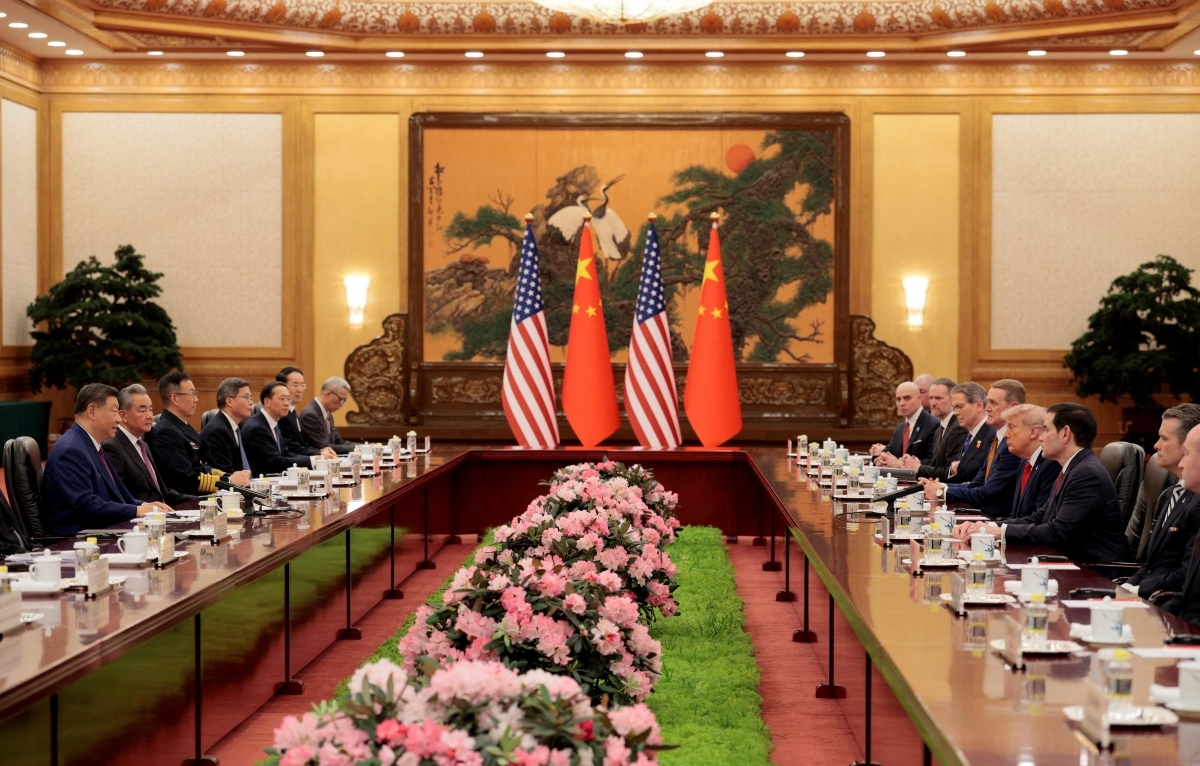
The term “constructive strategic stable relationship” was first publicly emphasized by President Xi during his summit with President Trump in Beijing.
“China-US relations are the most important bilateral relationship in the world today. We must make it work, and never mess it up. Both China and the United States stand to gain from cooperation and lose from confrontation. Our two countries should be partners rather than rivals. President Trump and I also agreed to build a constructive China-US relationship of strategic stability to promote the steady, sound, and sustainable development of bilateral relations, and bring more peace, prosperity, and progress to the world,” Xi said.
The concept “constructive strategic stability” reflects China’s aim to redefine China-US relations. Instead of trying to eliminate differences, Beijing is proposing a new crisis-management framework in which both sides accept each other’s existence as inevitable and prevent miscalculations that could lead to armed conflict.
President Xi defined the four pillars of a “constructive strategic stable relationship”: positive stability with cooperation as the mainstay, sound stability with moderate competition, constant stability with manageable differences, enduring stability with promises of peace. He said he expects their agreements will set the course and steer the giant ship of China-US relations, so as to make 2026 a historic, landmark year that opens up a new chapter in bilateral relations.
President Trump said, “This bond of commerce and respect that stretches back 250 years is the foundation for a future that benefits both of our nations. The American and Chinese people share much in common. We value hard work. We value courage and achievement. We love our families, and we love our countries. Together, we have the chance to draw on these values to create a future of greater prosperity, cooperation, and happiness and peace for our children. We love our children. This region and the world, it's a special world with the two of us united and together.”
From direct confrontation to managable competition
International analysts say that the future of US-China relations is shifting from direct confrontation toward a more controlled and substantive form of competition. Researcher Sun Chenghao from the Center for International Security and Strategy of Tsinghua University said that, unlike the 2017-2018 period when the US identified China as a strategic competitor, the current administration has adjusted its policy.
“It is now necessary to define the boundaries of competition and avoid excessive expansion of competition. If Trump can successfully manage relations with China, I believe that it will send a signal to the Asia-Pacific region that he can stabilize China-US relations, thereby allowing the region to maintain a relatively stable and peaceful development trajectory,” Hao said.
Based on the outcomes of their talks, one of the most realistic short-term expectations is the maintenance of regular dialogue following disruptions caused by the pandemic and geopolitical tensions.
Philip Luck, Director of the Economics Program at the Center for Strategic and International Studies, said, “I think the best outcome here is they have dialogues. There're good conversations, decisions around sort of purchases on both sides, and commitments to continue conversation. There’re no giant concessions on important issues on either side, so if we can get back to a normal conversation to discuss the important economic relations on both sides, I think that would be a huge one.”
Although strategic differences between the US and China remain profound, the resumption of high-level dialogue and efforts to move toward a manageable competition are viewed as positive signals for regional stability and the global economy.