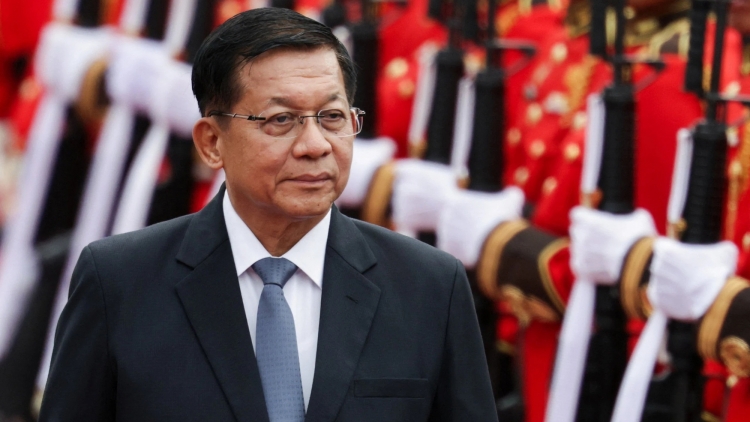




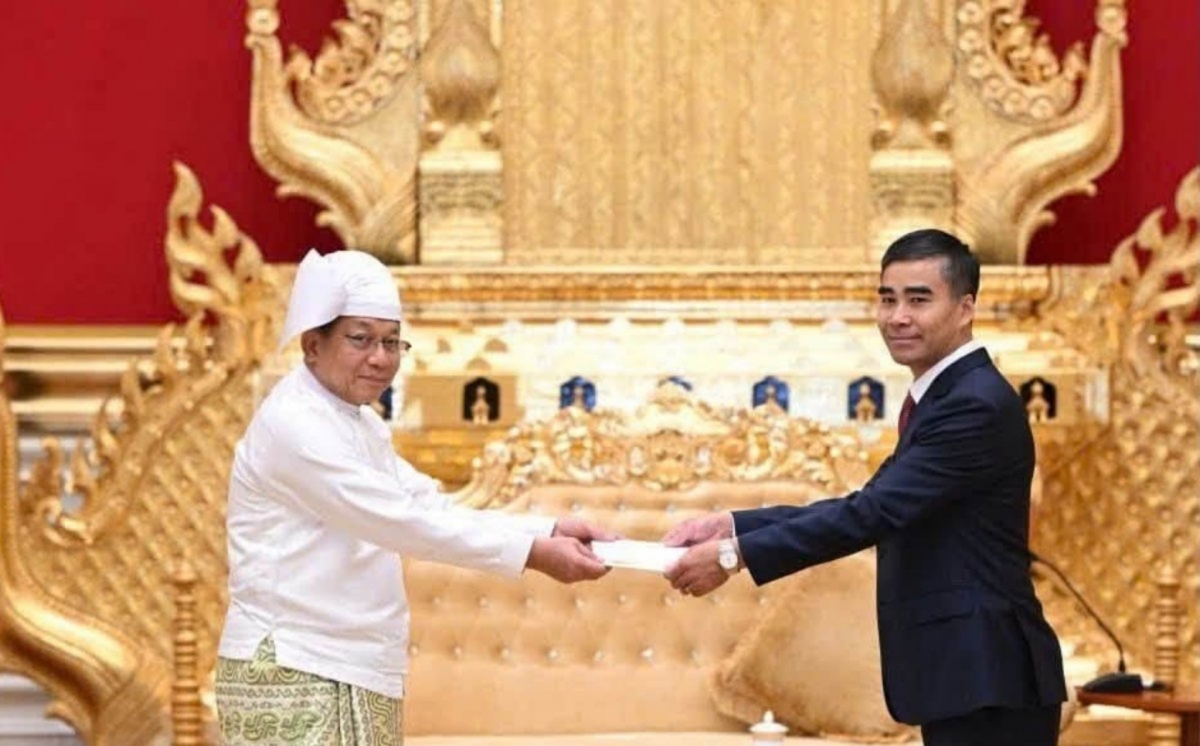
This is President Min Aung Hlaing’s first official visit to Vietnam since Myanmar completed its general election and formed a new government in April 2026. The visit, coming with Vietnam-Myanmar relations already strengthened in multiple areas, creates an opportunity for the two countries to foster mutual trust and expand cooperation.
A solid foundation for bilateral relations
Vietnam and Myanmar officially established diplomatic relations on May 28, 1975, but the bonds between the two nations date back much further. Vietnam established a permanent office in Yangon in 1947. The visits by Myanmar Prime Minister U Nu to Vietnam in 1954 and by President Ho Chi Minh to Myanmar in 1958 were major milestones in bilateral ties. The relationship between the two countries has continued to grow over the past decades.
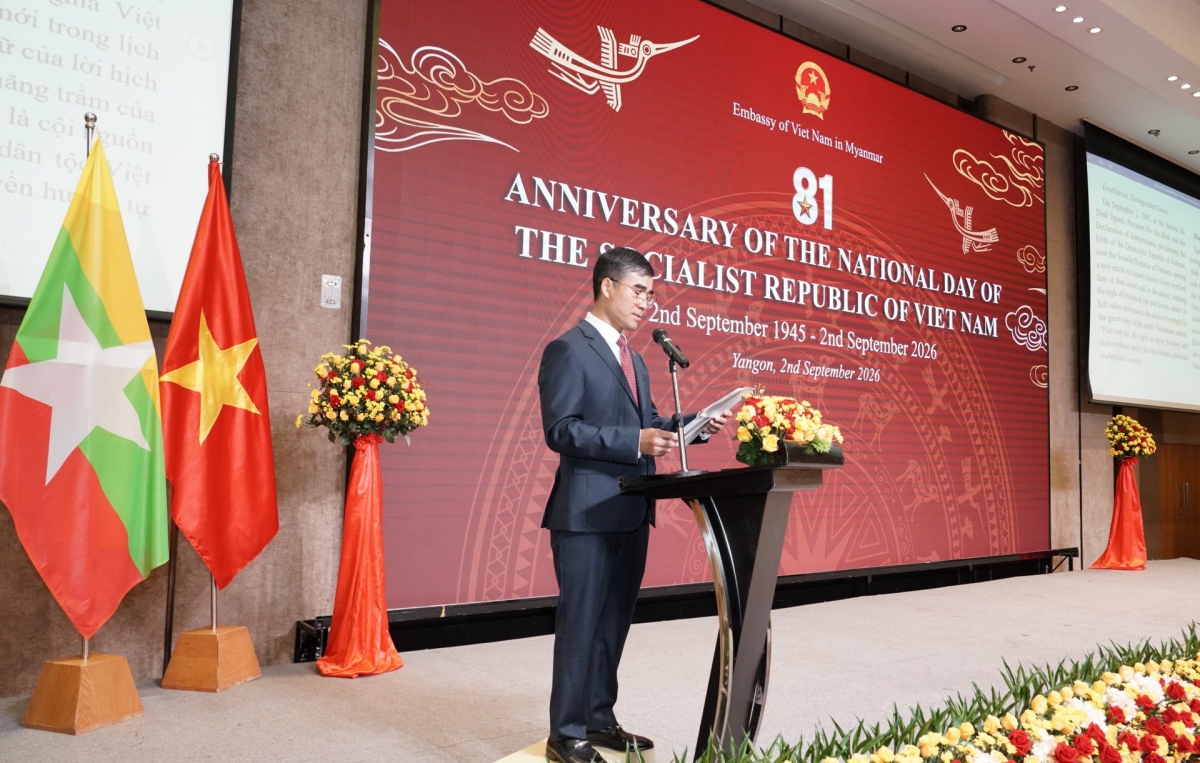
Vietnamese Ambassador to Myanmar Nguyen Anh Duc said: “Vietnam and Myanmar have maintained close ties and solidarity since the early years of Vietnam’s independence. The two countries upgraded their ties to a Comprehensive Cooperation Partnership during former Party General Secretary Nguyen Phu Trong’s official visit to Myanmar in 2017.”
Vietnam and Myanmar share many cultural and historical similarities, particularly their fight for national independence. The Government and people of Myanmar supported Vietnam during its struggle for national liberation.
Building on that foundation, the Comprehensive Cooperation Partnership has opened up opportunities for the two to develop their ties through a variety of exchanges and contacts. Bilateral cooperation has expanded in security, defense, culture, education, tourism, people-to-people exchanges, and Party and parliamentary relations.
Economic and trade cooperation has been a bright spot. Two-way trade totaled 590 million USD in 2025 and 335 million USD in the first half of this year. Vietnam ranks as Myanmar’s seventh-largest foreign investor, with projects spanning telecommunications, banking, real estate, construction, manufacturing, and agriculture.
The two have shown solidarity and mutual support in difficult times. Vietnam promptly sent rescue teams and relief supplies to help Myanmar recover from an earthquake in March 2025. Those efforts proved Vietnam’s status as a reliable partner ready to share Myanmar’s difficulties.
Broad opportunities for cooperation
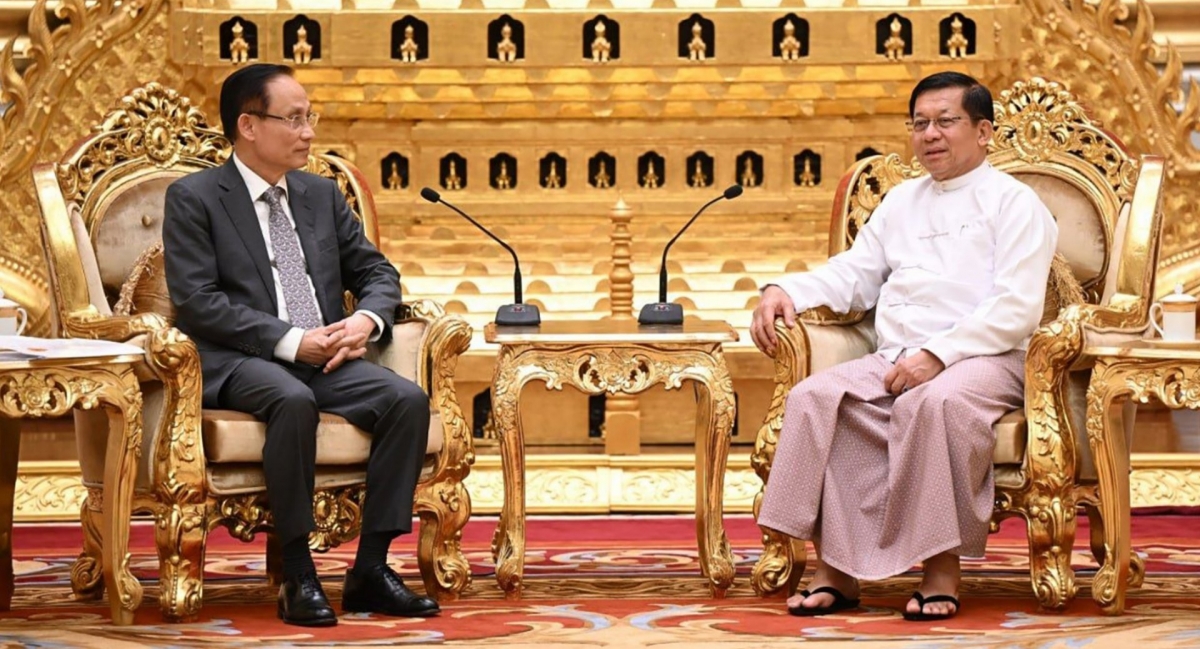
The two countries have considerable room to expand economic, trade, and investment cooperation. Myanmar has a market of more than 51 million people, abundant natural resources, and a young workforce. It has a strong demand for infrastructure development, consumer goods, and foreign investment. Areas with significant potential for cooperation include agriculture, telecommunications, electric vehicle manufacturing, science and technology, information and communications, infrastructure, and the production of essential goods.
Ambassador Nguyen Anh Duc said: “The two countries are entering a new stage of development. They should focus on four major areas of cooperation, including strengthening political trust; promoting economic cooperation, particularly in agriculture, telecommunications, and EV manufacturing; expanding people-to-people exchanges, tourism, and direct air routes; and closely coordinating at regional and international forums, especially in ASEAN and the Mekong subregion.”
As Myanmar enters a new stage of development following its general election and formation of a new government, President Min Aung Hlaing’s visit to Vietnam will be particularly important for the two countries.
“The visit will strengthen political trust and expand bilateral cooperation. It demonstrates Vietnam’s role, together with ASEAN, in supporting Myanmar’s efforts to achieve peace, stability, and sustainable development. I’m confident that the visit will create new momentum for the Vietnam-Myanmar Comprehensive Cooperation Partnership and bring practical benefits to the people of both countries,” said Mr Duc.
By welcoming President Min Aung Hlaing, Vietnam sends a message about its foreign policy of peace, cooperation, and development, about its commitment to diversifying and multilateralising external relations, and about strengthening its ties with traditional friends.