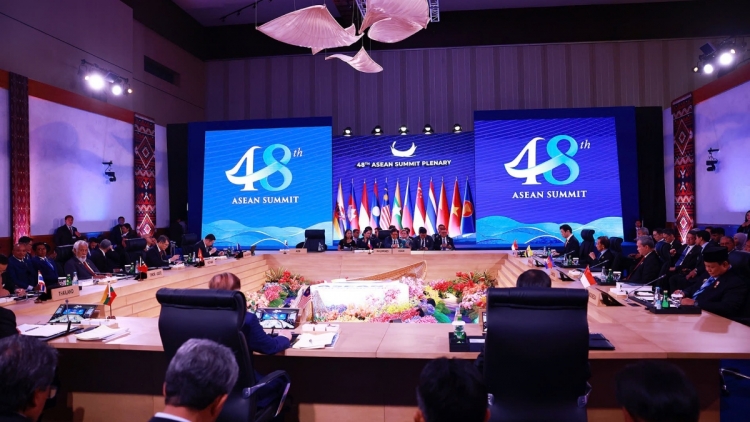



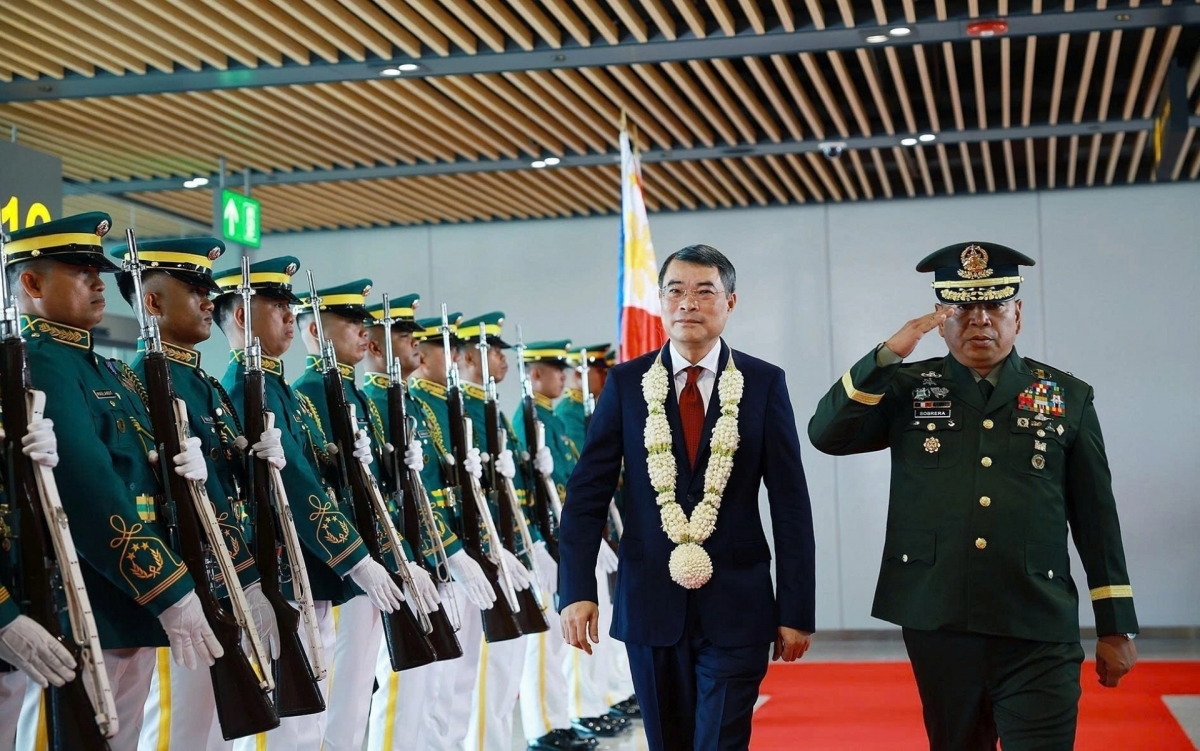
Under the theme “Navigating Our Shared Future Together”, the 48th ASEAN Summit focuses on foundations for peace, security, development, and empowering ASEAN citizens.
ASEAN shifts from “adapting to the future” to “shaping the future”
The Summit is the bloc’s first high-level meeting of 2026 and marks the beginning of a new development phase following the implementation of the ASEAN Community Vision 2025. ASEAN faces challenges that go far beyond the traditional issues of trade and intra-regional integration to strategic competition among the major powers, supply chain disruptions, green transition, digital transformation, energy security risks, and the risk of global economic fragmentation. Against this backdrop, the Philippines’ 2026 ASEAN Chairmanship theme “Navigating Our Shared Future Together” reflects a determination to drive rather than be swept into the vortex of international competition.
This year’s summit will be focused on maintaining ASEAN unity and strengthening the bloc’s strategic resilience, showing a shift in ASEAN’s mindset from adapting to shaping the regional landscape. In an increasingly uncertain world, ASEAN is aware that, without greater economic, technological, and supply chain autonomy, the region risks becoming highly vulnerable to external power competition.
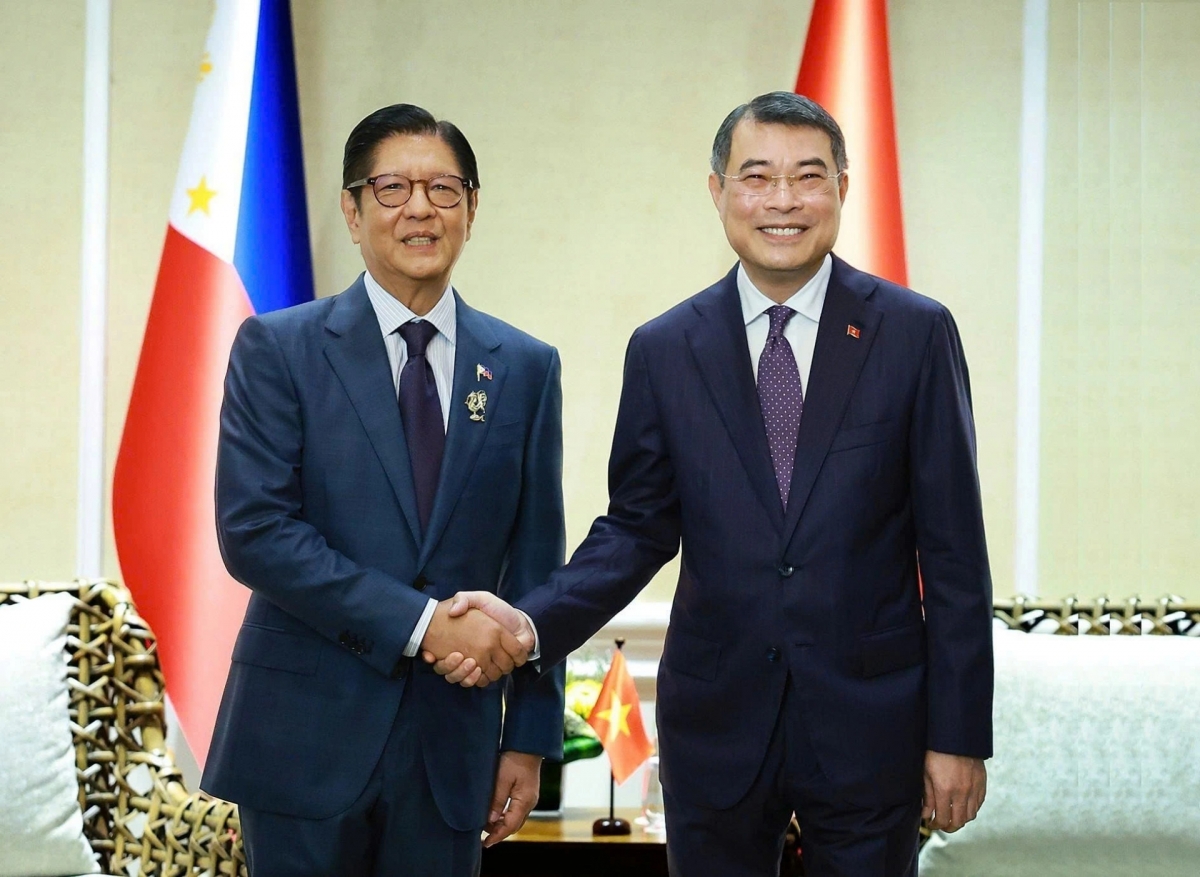
At the summit, Philippine Foreign Secretary Theresa Lazaro said: "Even as current developments may demand additional attention and practical coordinated cooperation, ASEAN remains directly and ready to address existing priorities. Under the Philippines' chairship theme, Navigating Our Future Together, we approach this meeting with the understanding that navigating uncertainty requires both agility in responding to immediate and pressing challenges and steadfast commitment in pursuing our long-term goals under the ASEAN Community 2045."
Vietnam emerging as an important regional reference point
As ASEAN seeks new growth drivers, Vietnam is increasingly viewed as a key link in global supply chains. Its achievements in attracting investment, infrastructure development, digital transformation, and green growth have made Vietnam an increasingly relevant model for many countries in the region.
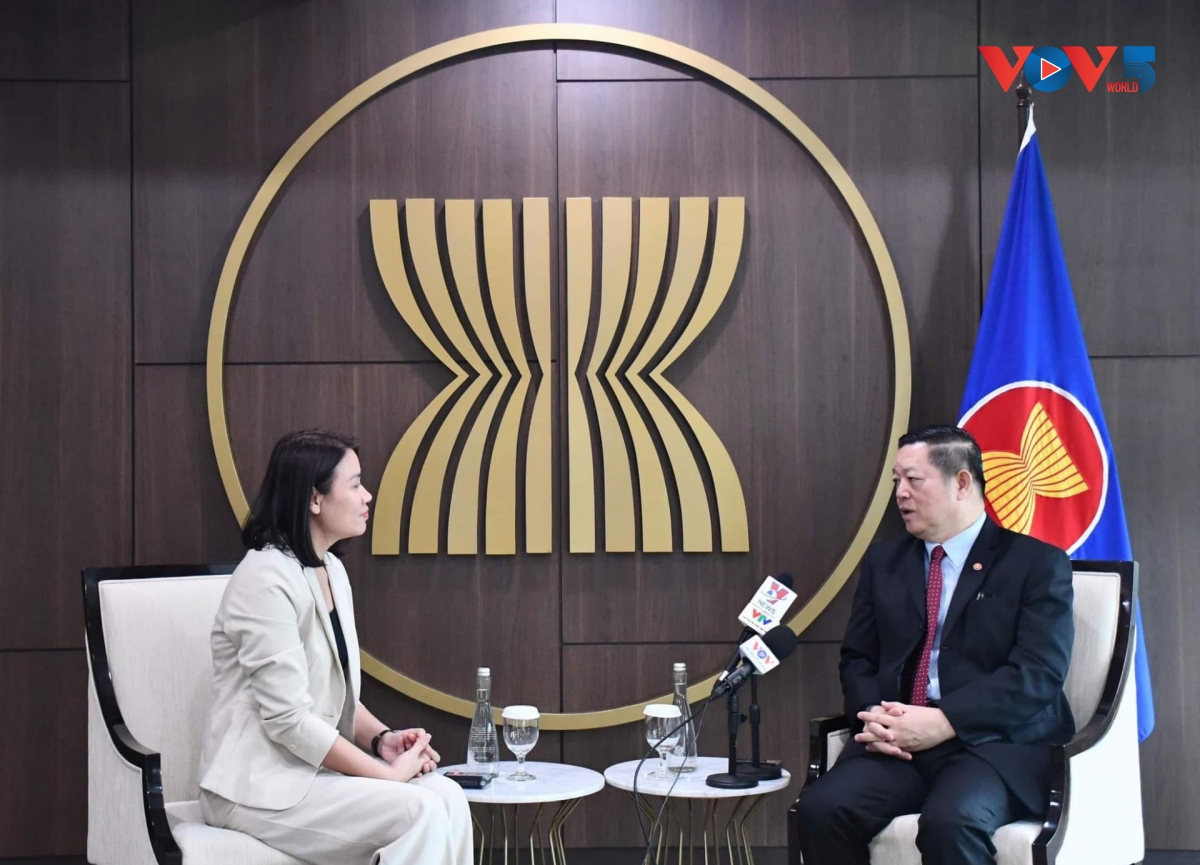
ASEAN Secretary-General Kao Kim Hourn said: "The economy of Vietnam is growing very fast. So I think this is something that we are watching very closely and we appreciate what Vietnam is doing. So we look forward very much to see the role of Vietnam, particularly in the various aspects of ASEAN. And I think the good things this year that this year we just started the implementation of ASEAN Community Vision 2045. And I believe that Vietnam will make a great contribution in many different ways, including ASEAN Economic Community."
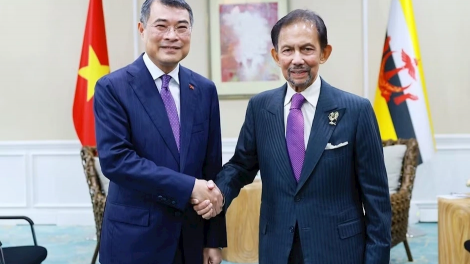
Prime Minister Hung’s attendance at the summit has particular significance as it is among the first major multilateral diplomatic activities undertaken by the head of Vietnam’s new government. It underscores that ASEAN remains a top strategic priority of Vietnam’s foreign policy.
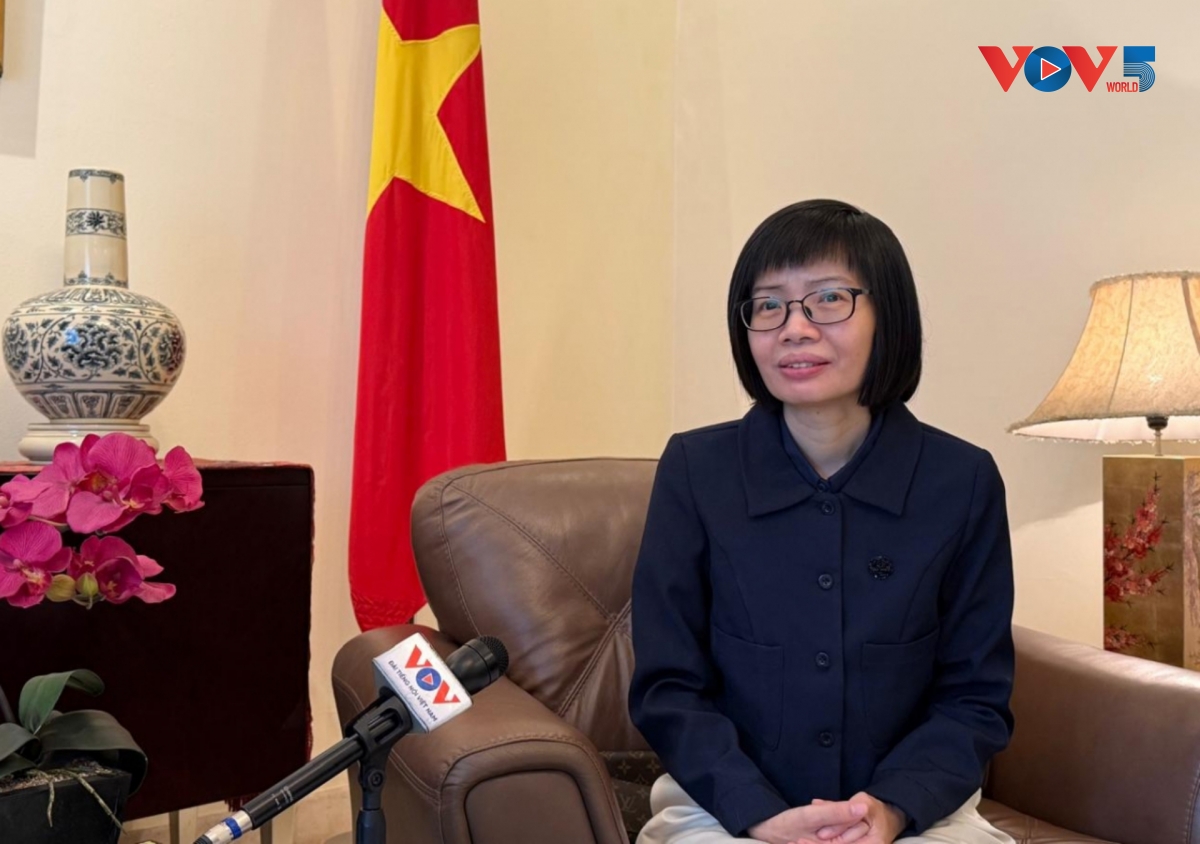
Ton Thi Ngoc Huong, Vietnam’s Ambassador and Permanent Representative to ASEAN, said: “Vietnam will continue to actively contribute alongside other ASEAN member states, particularly in strengthening ASEAN’s collective response capacity and coordination amid increasingly complex international and regional developments. Vietnam will continue working closely with ASEAN members to effectively implement strategic plans under the ASEAN Community Vision 2045, translating ASEAN’s shared goals into national development strategies while maximizing the benefits of ASEAN cooperation and connectivity for businesses and people at home.”
With its foreign policy of independence, self-reliance, and balance, Vietnam is seen as a stabilizing force that helps preserve ASEAN consensus and reinforce the bloc’s centrality in the regional architecture.