




Early in the morning, at the Public Service Centre of Lang Ward, officials carefully guided residents to perform administrative procedures online, from taking a queue number and submitting applications to making cashless payments.
Huynh Van Kien came to to register a birth. He said that whereas in the past he had to submit paper documents and make several trips, now he can complete all the procedures online and have the results delivered to his home. "The officials provide detailed instructions. Whatever I don't understand, they explain it immediately. All administrative procedures are handled quickly. In many cases, we don’t need to come here. We can stay at home and use a smartphone to complete the procedures."
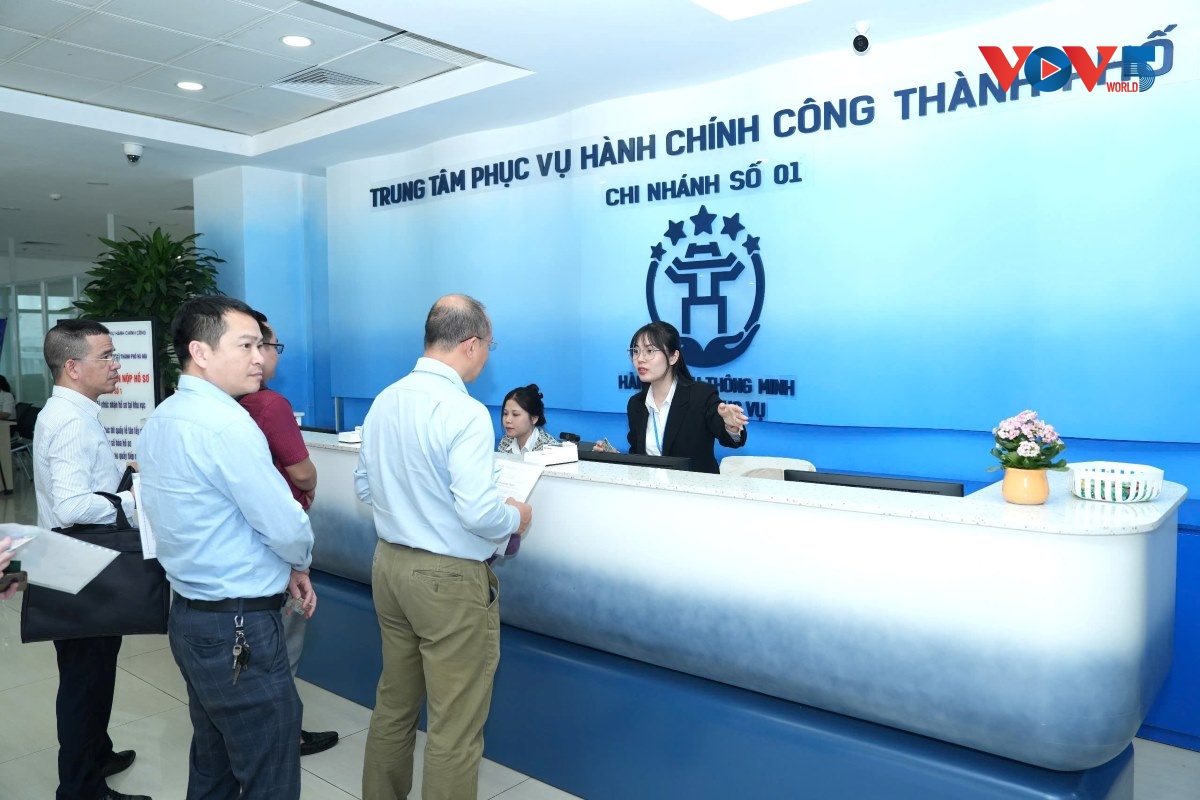
With guidance from civil servants and members of the community digital transformation teams, most residents of Lang Ward, including elderly people and those less familiar with technology, have become accustomed to using the National Public Service Portal and digital applications.
"Today I came to apply for a business license. The staff is helpful. People are pleased because the formalities are processed so quickly."
"Digital technology has made public administration services much more convenient and transparent. I can easily look up procedures, submit applications online, make cashless payments, and send feedback or recommendations on digital platforms."
Since the establishment of the two-tier local government model, the workload at the commune and ward levels has increased significantly as they have taken on many responsibilities previously assigned to the district level. Electronic document management systems, digital signatures, electronic records and shared digital platforms have been deployed in a coordinated manner, enabling civil servants to process work more quickly, transparently and accurately.

Ha Phu Binh, Vice Chairman of the People's Committee of Lang Ward, said: "From the very beginning of implementing the two-tier local government model, we identified the need to reform our management approach, shifting from administration to development-oriented governance. The ward People's Committee assigns specific responsibilities to officials and accelerates digital transformation by entering 100% of documents onto the digital platform and processing 237 services online. The rate of applications processed on time or ahead of schedule has reached 99%. We carefully listen to residents' opinions and promptly address emerging issues. This approach has enabled the new system to operate smoothly and improve the quality of public services in the very first year."
Digital transformation has become a key factor underpinning the operation of all localities in Hanoi. Following the restructuring from 526 communes, wards and townships to 126 communes and wards, Hanoi has standardized more than 2,000 internal procedures, restructured 1,172 administrative procedures and digitized 2,077 administrative services.
In less than a year, communes and wards processed more than 2.26 million decentralized administrative applications, while more than 619,000 applications were handled regardless of administrative boundaries.

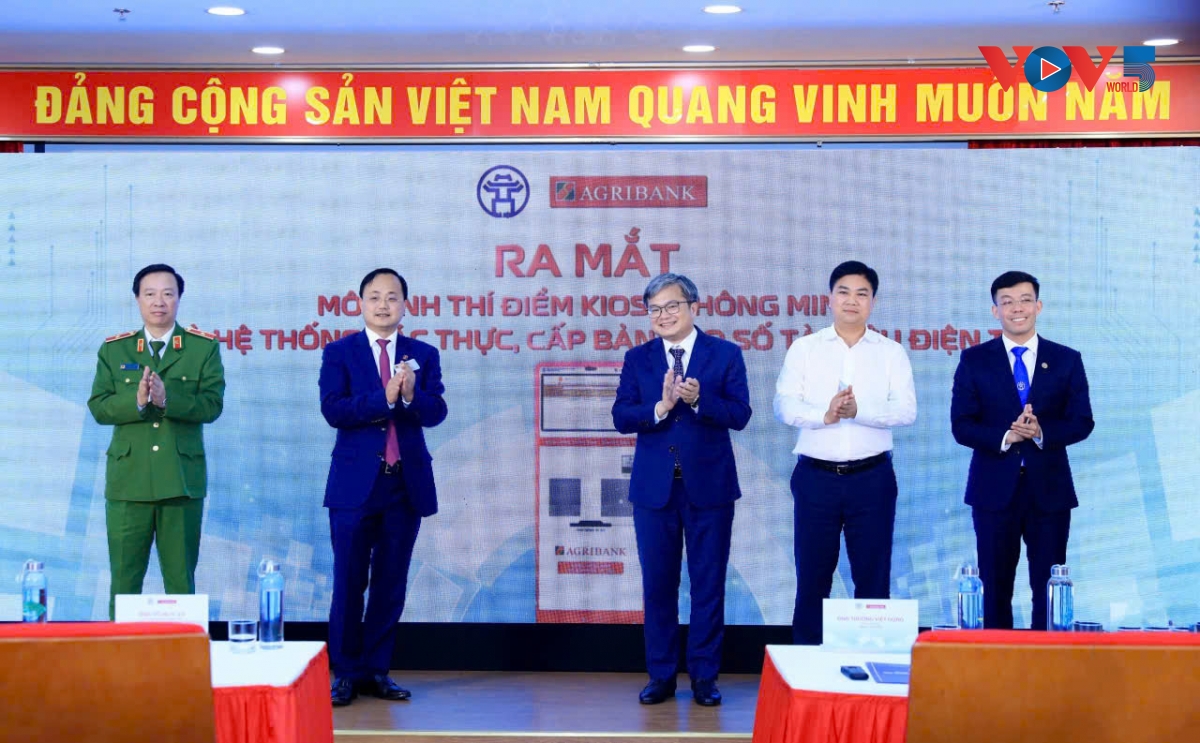
Bui Duong, Director of Branch No. 1 of the Hanoi Public Administrative Service Centre, said that the volume of paper documents has fallen about 70% compared with the past. "We have installed digital kiosks that create certified digital copies of documents. With this system, people can generate authenticated digital copies of their original documents and submit them immediately at the center. Previously, they had to have their documents notarized or certified before submitting them to the Public Administrative Service Centre. This approach has received strong support from residents and businesses alike."
Restructuring administrative procedures and digital technology application have helped Hanoi cut 32 million working hours and save approximately 63 million USD last year. These are not only governance gains but also resources released for production, business and investment. Nguyen Van Phong, Deputy Secretary of the Hanoi Party Committee, said digital transformation is the key for Hanoi to achieve rapid, sustainable and modern development.
"We are gradually building a digital and smart government that serves people and businesses in the most effective and transparent way possible. Party committees and authorities at all levels must take determined actions. This is an opportunity for Hanoi to develop faster and more sustainably, deserving its role as the country's leading center for science, technology and digital transformation."
Simplifying administrative procedures and digitizing public services have made an important contribution to enhancing Hanoi’s investment and business environment, which also helps improve the efficiency of the two-tiered local government.