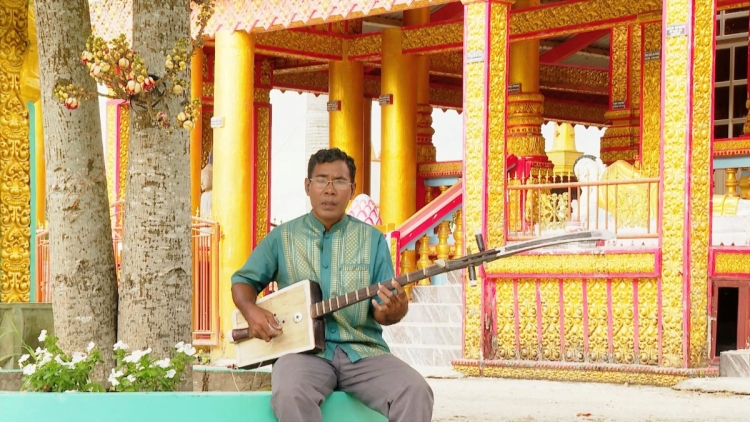




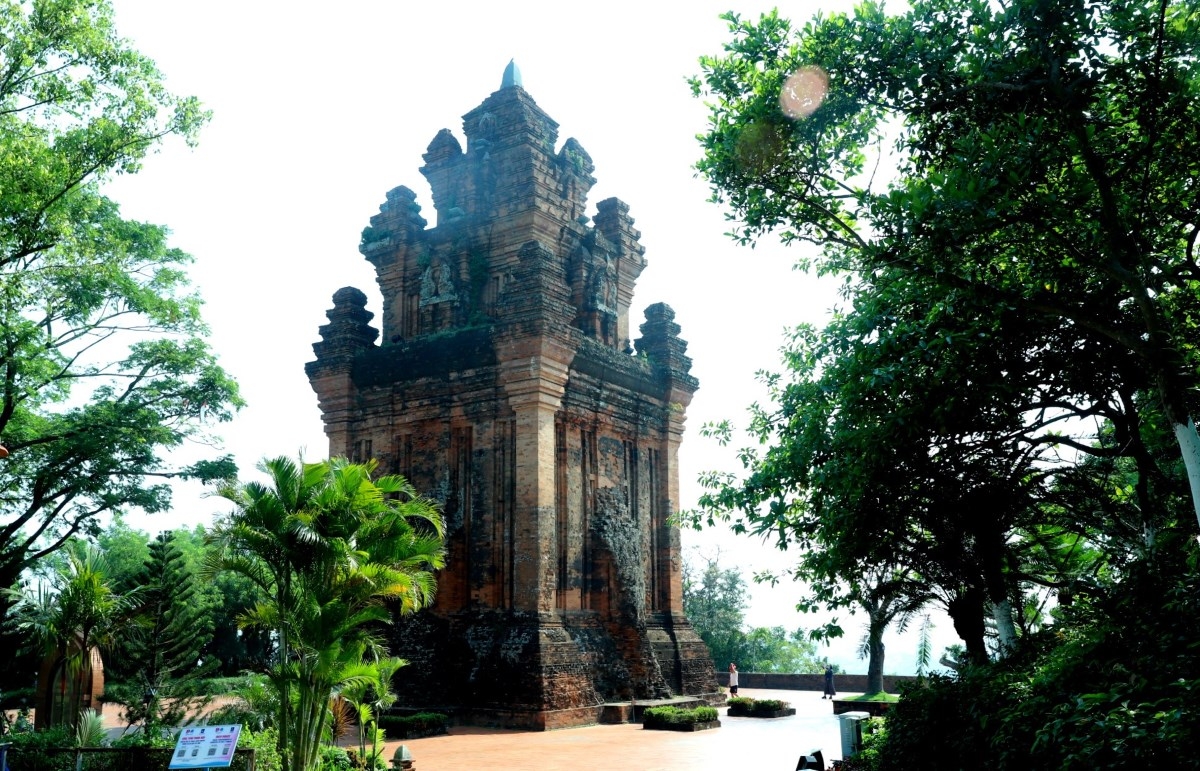
Perched atop Nhan (swallow bird) Mountain in the center of Tuy Hoa ward, Dak Lak province, Nhan Tower bears an ancient and tranquil charm. Featuring nearly 1,000-year-old Cham architecture, history, and culture, the site has become popular among locals and visitors to the eastern part of Dak Lak province.
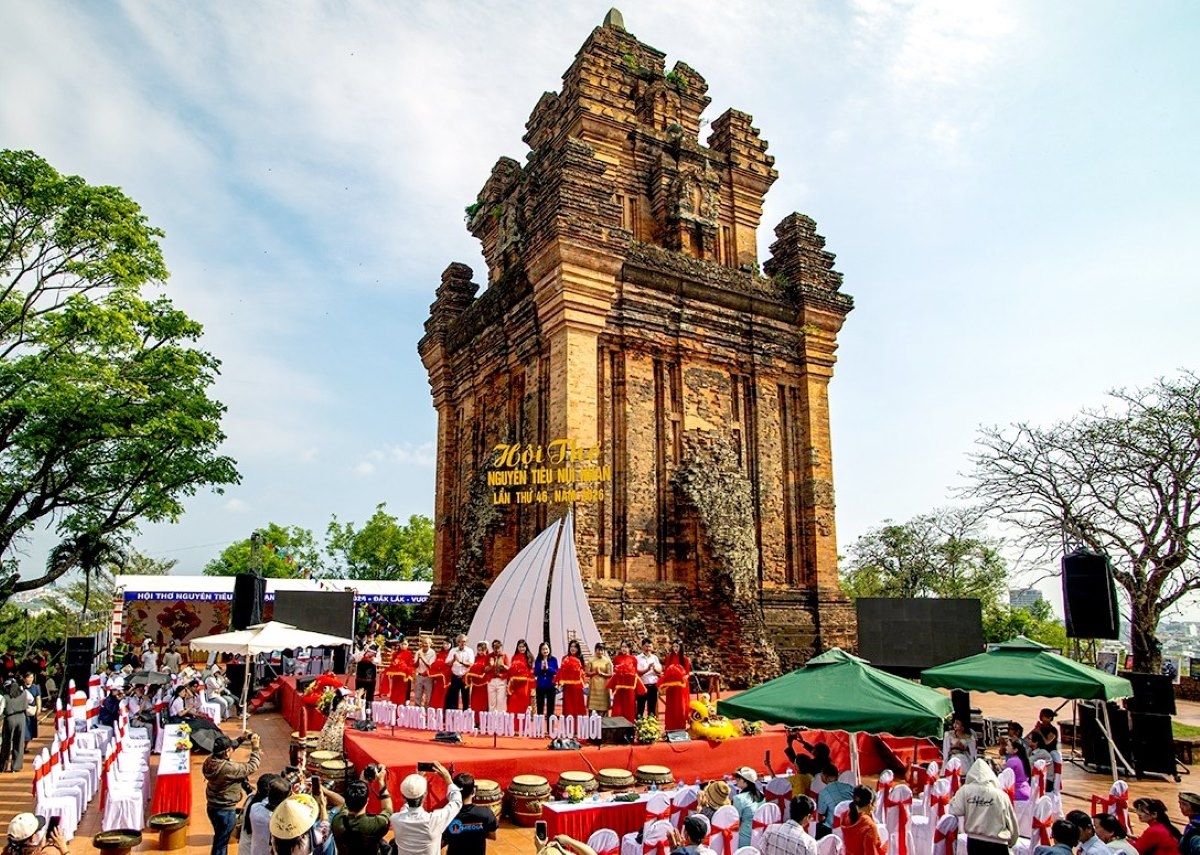
The 24-meter tall Nhan Tower was built with the distinctive fired bricks of the Cham people around the late 11th and early 12th centuries. It is one of the few Cham architectural structures in central Vietnam that remains relatively intact today.
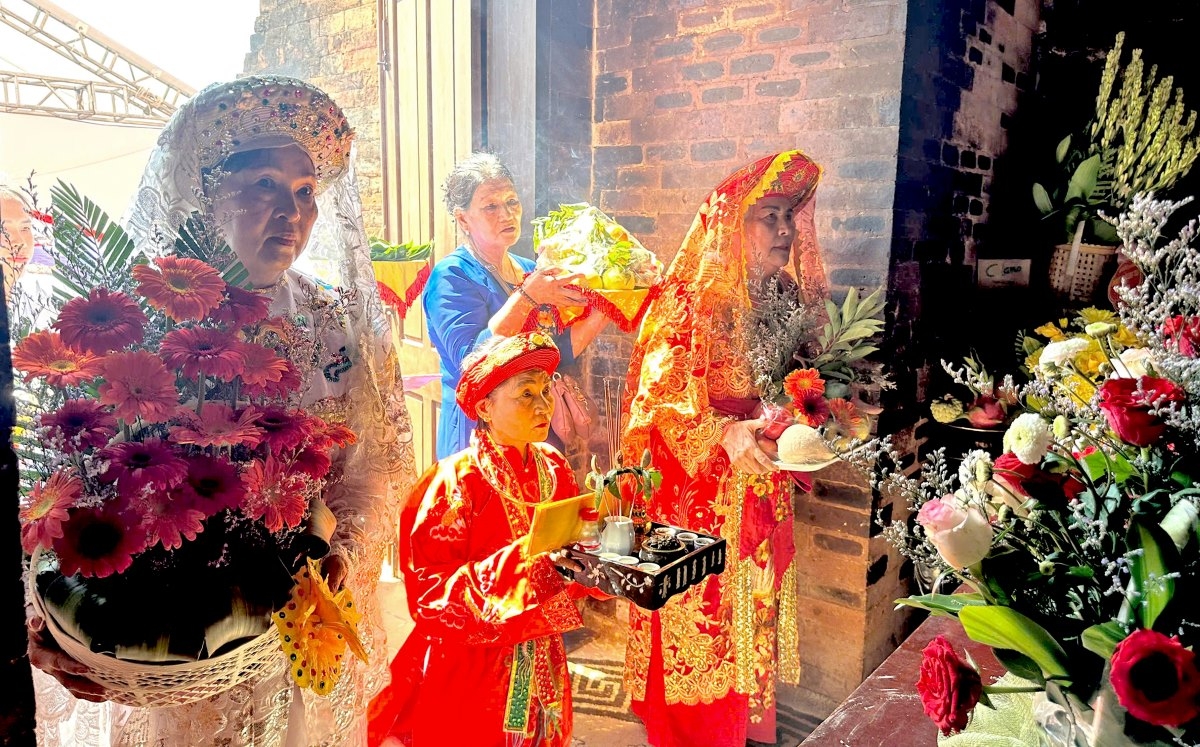
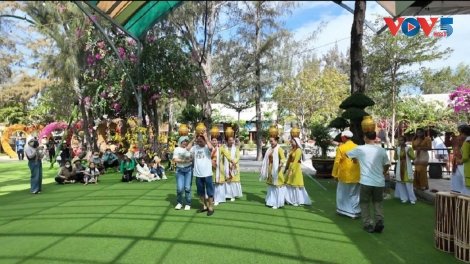
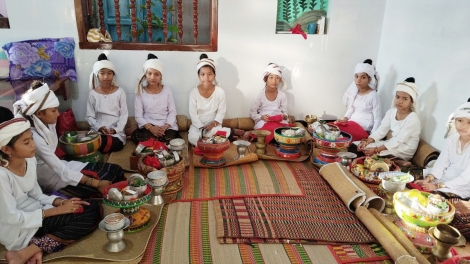
The tower has long been associated with the life of local communities and the worship of Goddess Thien Y A Na. Every year the Goddess Festival is held at Nhan Tower around the middle of the third lunar month, attracting large numbers of participants.
Cultural and historical researcher Nguyen Danh Hanh of Dak Lak province said this is a community-based folk religious practice shared by the Kinh, Cham, and Hoa communities in central Vietnam.
“The Nhan Tower is dedicated to Goddess Poninaga, whom the Vietnamese called Thien Y A Na. She is regarded as the guardian deity of all the land, rivers, and seas here. The Goddess Festival has stood the test of time. There’s a local saying that goes: “Whoever visits Nhan Tower in Tuy Hoa can still see the dance offered to the Lady,” said Hanh.
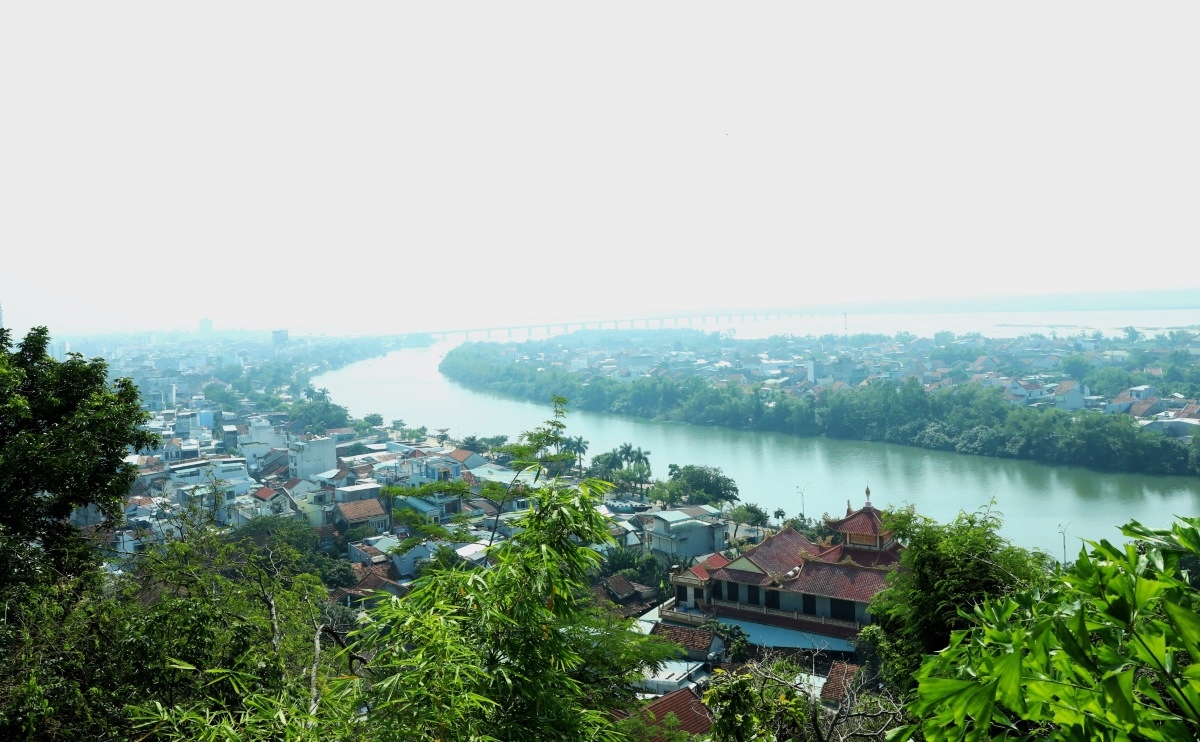
From the summit of Nhan Mountain, visitors can enjoy panoramic views of Tuy Hoa city, the Da Rang River, and the distant estuary. Tong Thi Hai Yen, a tourist from Phu Tho province, said: “Standing here, I feel very relaxed. It is a sacred place in the middle of a modern, densely populated city. This is the first time I have seen a structure dating back to the 11th century that remains so beautiful and almost intact. The preservation and restoration work has been done very well.”
Recently, the tower’s yard has been expanded and beautified to serve a greater number of visitors. “This place is very different from what it used to be. It has been renovated a lot and looks much more beautiful. During the summer, the site attracts even more visitors. Especially during holidays, Lunar New Year, and the Goddess Festival, crowds of people flock here, including tourists from near and far.”
“Everyone likes coming here. Although I live far away, every Saturday and Sunday, my friends and I visit the tower to relax and unwind.”
Under Dak Lak province’s post-merger tourism development strategy, the eastern region, with its advantages of the sea, cultural heritage, and natural landscapes, is being identified as important for tourism development.
Tran Thi Bu, Deputy Director of Relics Management Board, at the Dak Lak Department of Culture, Sports and Tourism, said: “Taking over the Nhan tower relic, we have repaired the protective fence in front of the tower to ensure the safety of visitors. Every year, we organize the Goddess Festival to serve large groups and individuals coming to offer incenses and pay tribute to the Goddess.”
As a relic bearing the distinctive traces and architecture of ancient Champa culture, the Nhan Tower still stands out in today’s modern life.