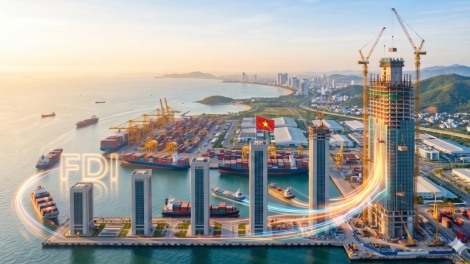



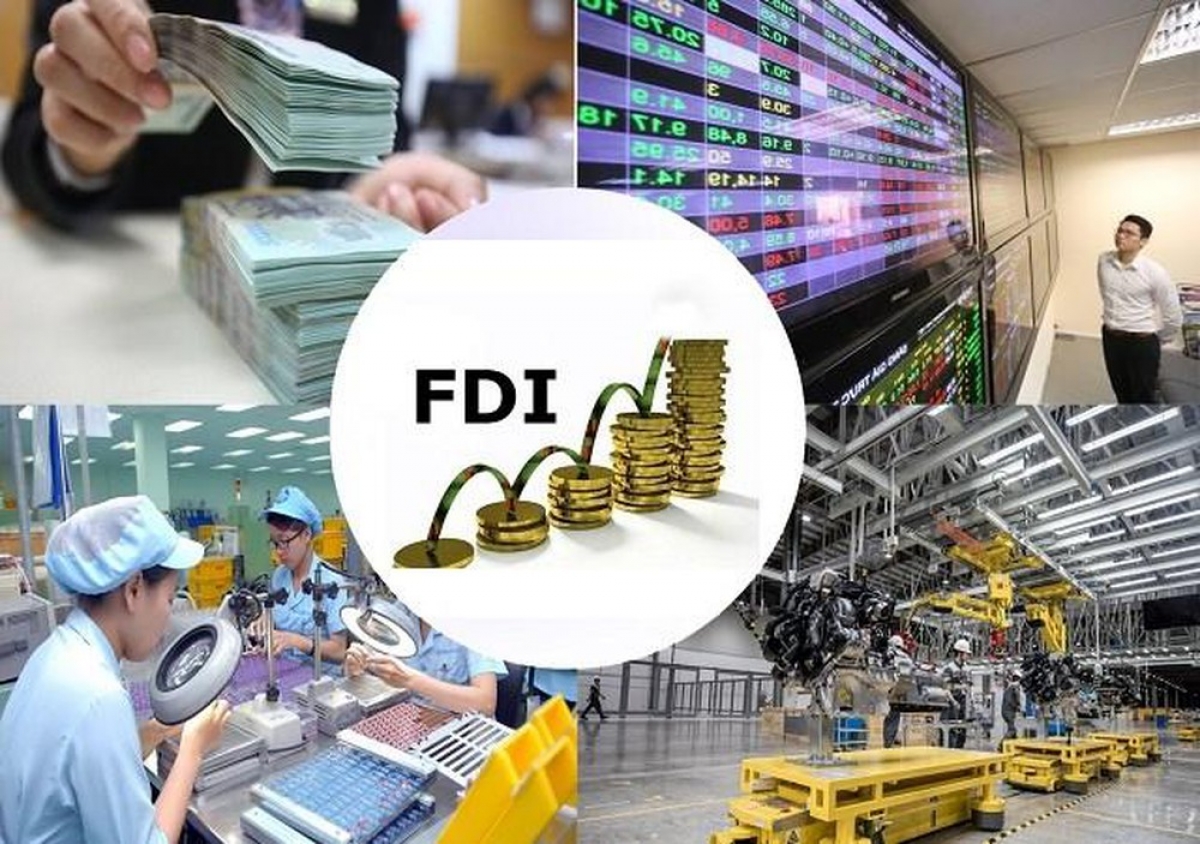
Vietnam now hosts more than 46,500 active FDI projects with total registered capital exceeding 543 billion USD and realized capital reaching 358 billion USD. The FDI sector contributes around 20% of GDP, accounts for 70% of export turnover, and creates millions of jobs.
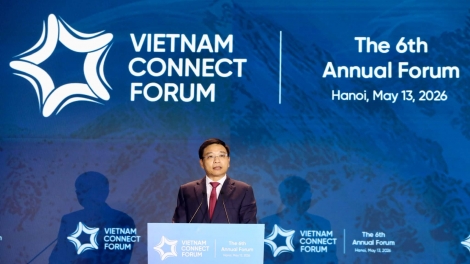
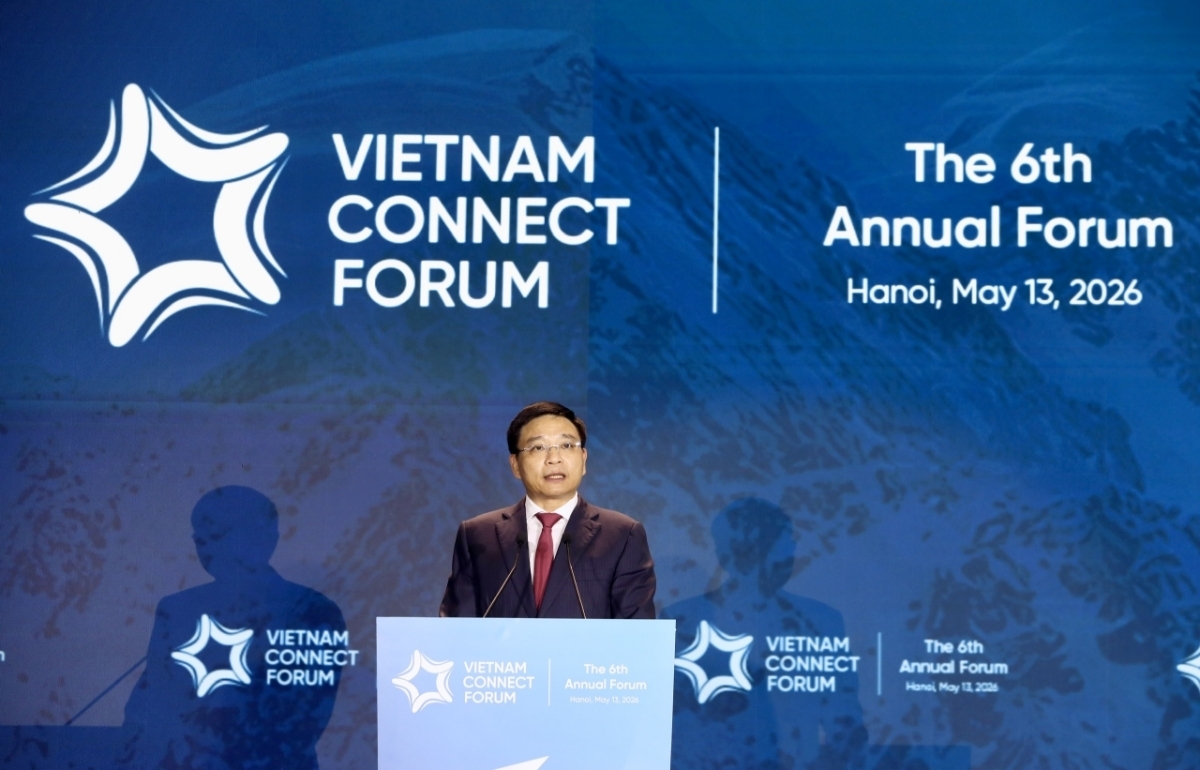
Deputy Prime Minister Nguyen Van Thang said Vietnam remains one of the region’s leading investment destinations despite declining global FDI flows. “This reflects the international business community's strong confidence in Vietnam's development prospects, socio-political stability, and investment-business environment. In recent years, Vietnam has seen the presence and expansion of major global corporations in electronics, semiconductors, high-tech, energy, logistics, finance, innovation, and modern services. This has paved the way for new manufacturing ecosystems and supply chains to take shape in Vietnam,” Thang noted.
Stronger connections between foreign and domestic firms are needed to maximize the benefits of FDI. Many Vietnamese enterprises still operate in low value-added segments, while localization rates and technology spillover effects remain limited. The spillover effects of technology, management, and productivity are not yet strong enough to keep pace with the demands of global supply chains.
Deputy Prime Minister Thang said the mandate for this new phase is to maximize the synergy between the FDI sector and the domestic economy. “In this new development phase, Vietnam is decisively shifting its mindset from ‘mass FDI attraction’ to ‘selective, qualitative, efficient, and sustainable investment cooperation.’ We no longer evaluate investors solely on how much capital they bring into Vietnam, but more on what technology they bring, what value added they generate, how they train our human resources, how many Vietnamese enterprises they connect to their supply chains, and how they contribute to green and digital transformation as well as the economy's internal capacity.”
Vietnam has more than one million enterprises, but only about 5,000 are directly integrated into global supply chains or multinational corporations. Experts say many domestic firms face outdated technology, low productivity, and poor governance standards.
Do Thi Thuy Huong, Vice Chairwoman of the Vietnam Electronic Industries Association, said that in the near future, technological capacity and production innovation will be the defining factors that Vietnamese enterprises must focus on. “Companies that prioritize technology, AI, automation, and green digital transformation will win the race for integration and successfully enter global supply chains. Vietnamese enterprises must also take the initiative in approaching FDI firms—we must prove our capabilities and seek them out to achieve mutual prosperity,” said Huong.
Dr. Le Duy Binh, Director of Economica Vietnam Company, insisted that the Vietnamese economy must transform fundamentally to establish stronger linkages, ensuring higher value added for our nation. “To achieve this, the efforts of domestic businesses are indispensable, requiring clear preparation in capacity, mindset, resources, and other vital prerequisites. Vietnamese firms cannot simply wait for state support or the goodwill of FDI enterprises. Instead, they must take the initiative in upgrading their technology and management capabilities to embed themselves deeper into global supply chains,” said Binh.
Vietnam has opportunities to benefit from the ongoing restructuring of global supply chains. But this opportunity will only translate into real growth momentum if FDI can generate knowledge, technology, high-quality human resources, and deep-rooted connections with the domestic economy.
Deputy Prime Minister Thang underscored the need to strongly develop domestic enterprises and supporting industries so that Vietnamese firms can participate more in global value chains. “The State must continue to roll out policies helping businesses improve governance capacity, quality standards, technological innovation, digital transformation, credit access, and connectivity with multinational corporations. The goal is to cultivate a cohort of Vietnamese enterprises capable of becoming Tier-1 and Tier-2 suppliers in regional and global value chains,” according to the Government leader.
In early April 2026, General Secretary and President To Lam approved a medium-term socio-economic development plan, a national financial and public debt borrowing and repayment plan through 2030, which prioritizes technology transfer and deep integration of FDI and domestic businesses. The strategy reflects Vietnam’s ambition to build a stronger, more balanced economy and create momentum for long-term growth and prosperity in the next 10 years.