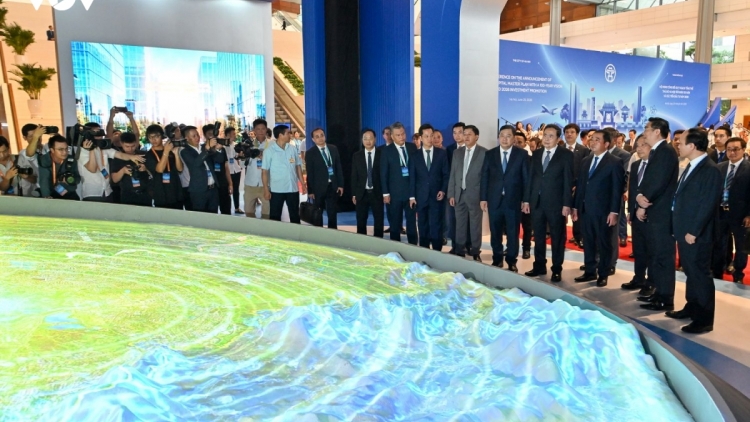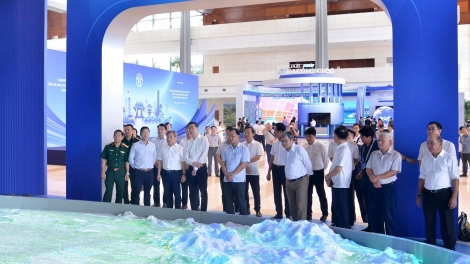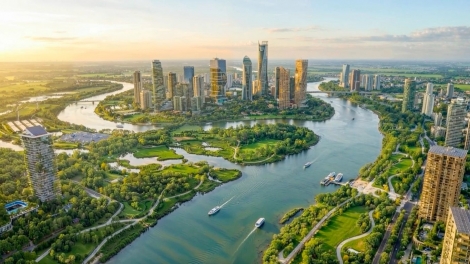



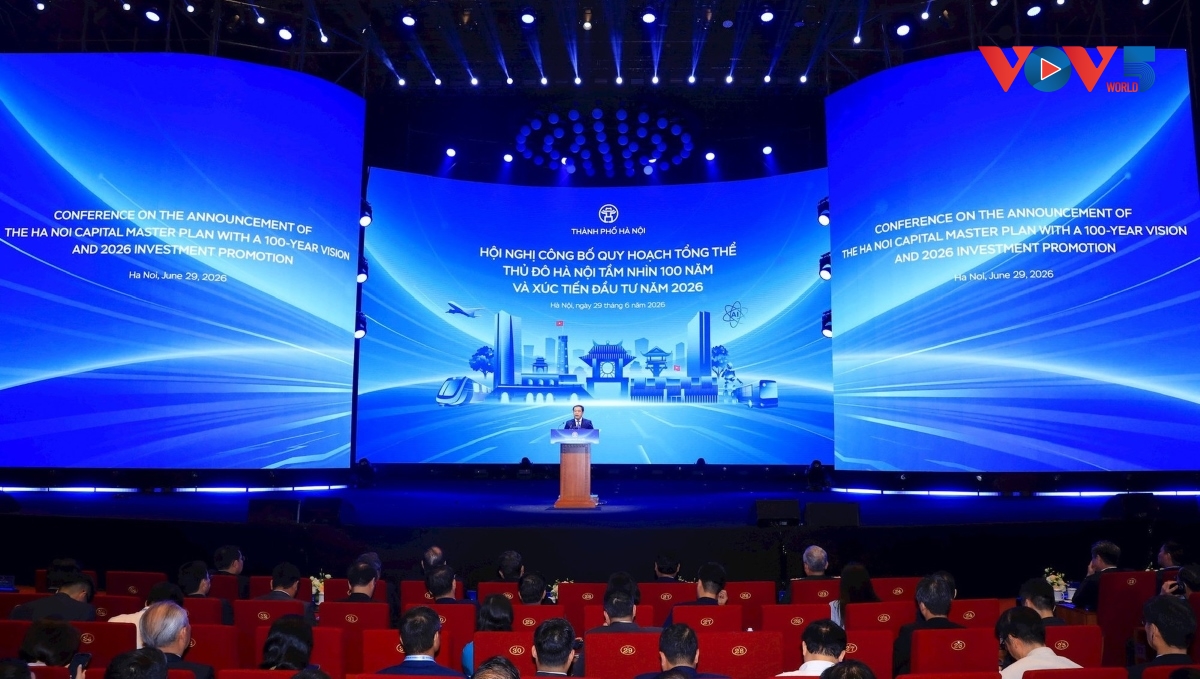
While Hanoi's previous master plans were designed in a 10-, 20-, or 30-year cycle, the adoption of a 100-year vision reflects a fresh, long-term development mindset. It’s a blueprint for a resilient, modern capital that will serve generations to come.
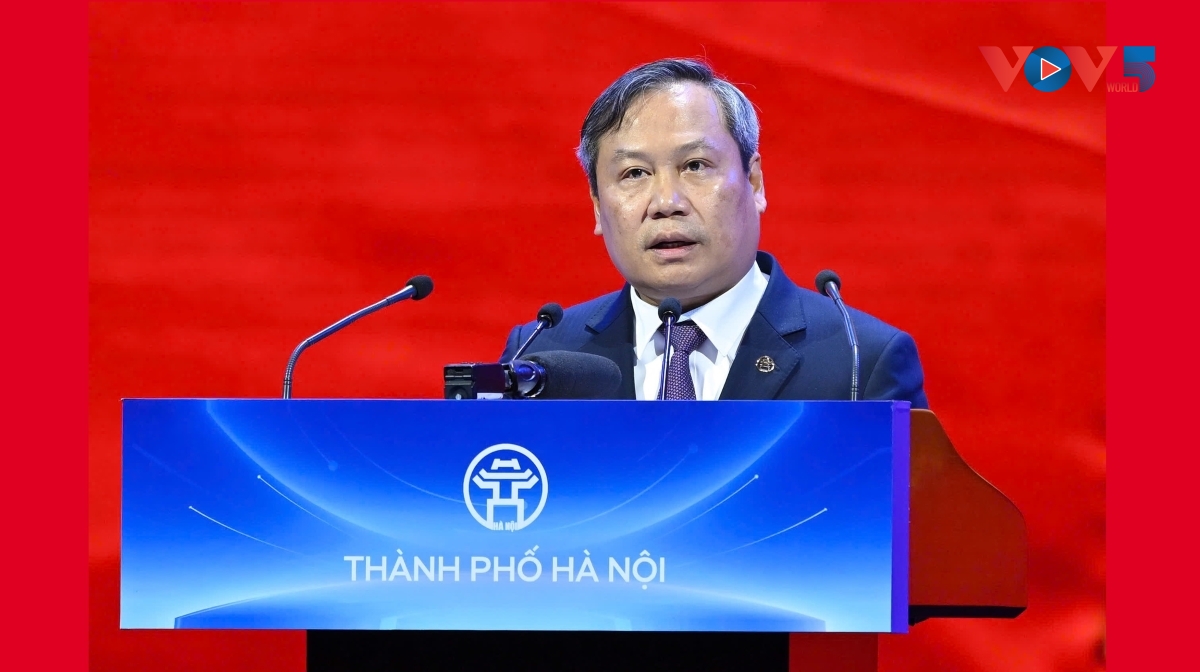
Chairman of the Hanoi People's Committee Vu Dai Thang said that The Politburo's Resolution has established a strategic direction for the Capital to fully leverage its role as the national political-administrative nerve center and as a growth pole for the Red River Delta and the entire country. The Capital Law 2026 establishes a new legal framework featuring robust decentralization, delegation of power, and outstanding specific policies granting the city greater autonomy in resource mobilization, infrastructure development, spatial organization, and the execution of strategic projects.
“This will give Hanoi a unique competitive advantage in the current period, improve the city’s governance capacity and administrative quality, shorten investment preparation time, reduce compliance costs, and foster a stable, transparent, favorable, and highly predictable investment environment,” said Thang.
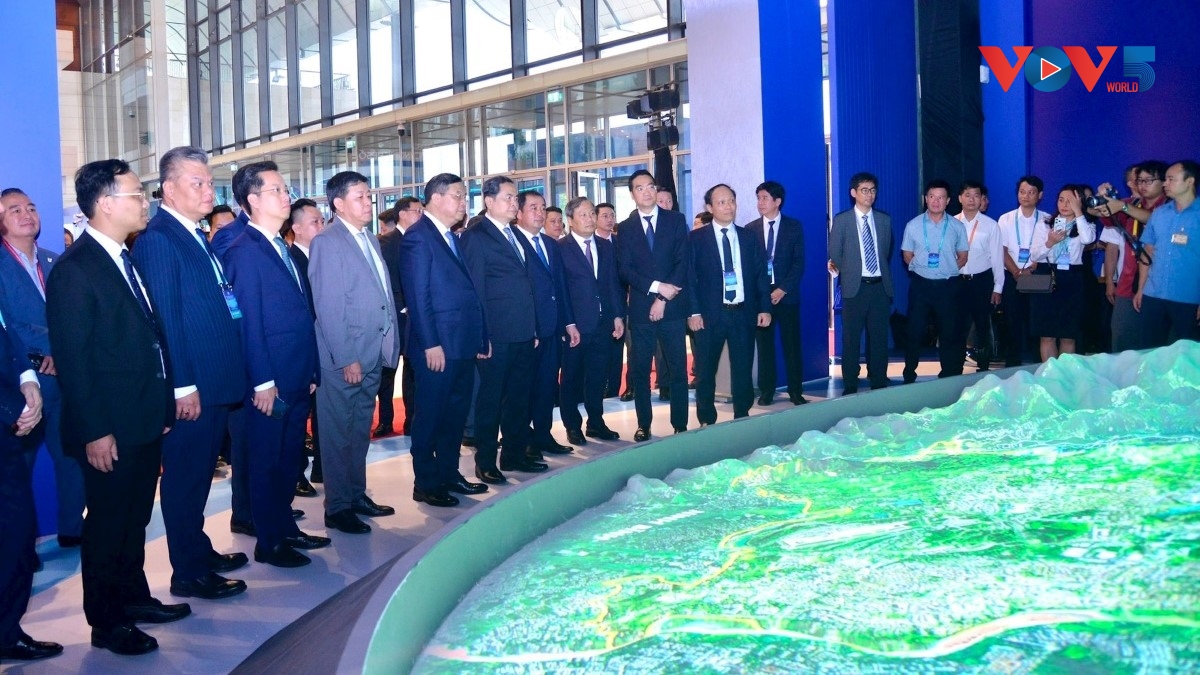
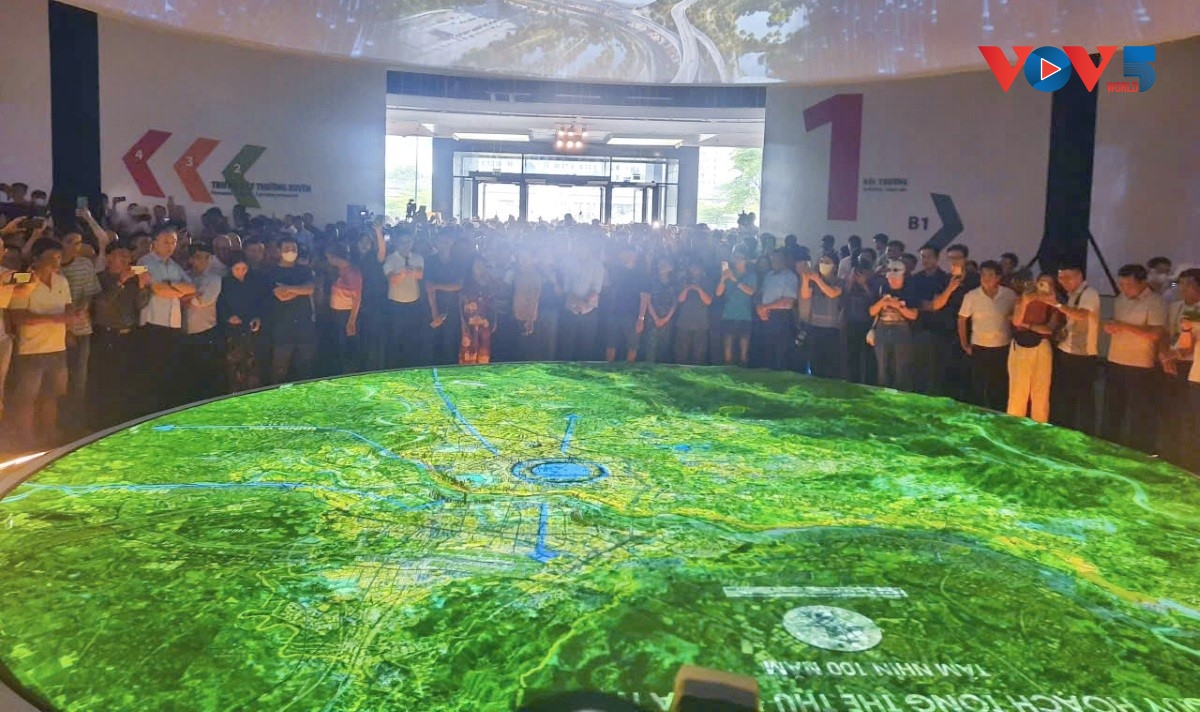
Under the master plan, Hanoi's spatial structure will follow a "multi-tier, multi-layer, multi-polar, multi-center" model, with the Red River serving as its principal ecological and cultural axis. The city will feature 9 development poles, 9 major centers, and 9 dynamic corridors.
A defining feature of the plan is its integrated approach, linking spatial planning with infrastructure, socio-economic development, environmental sustainability, and urban governance. Rather than pursuing outward expansion, Hanoi is decisively shifting toward a high-quality development model driven by knowledge, technology, and innovation.
Nguyen Trong Ky Anh, Director of the Hanoi Department of Planning and Architecture, said, “We have determined that infrastructure will lead the planning. We are finalizing Hanoi's framework infrastructure system, adding urban railway lines, and completing and expanding radial and ring roads.”
“This is part of the ‘multi-tier, multi-layer’ philosophy in our planning. We have also designated low-altitude airspace for Hanoi's planning, which is a pioneering approach. The low-altitude economy targets controlled spaces from 1,000 meters down, for unmanned aerial vehicles (drones) and flying taxis,” Ky Anh noted.
Under the plan, Hanoi will prioritize investment in strategic transportation infrastructure, Transit-Oriented Development (TOD) urban areas integrated with public transport systems, high technology, semiconductors, artificial intelligence, data centers, next-generation industrial parks, smart logistics, clean energy, the circular economy, cultural industries, tourism, and high-quality healthcare and education, according to Director Ky Anh.
He added that executed in line with Politburo Resolution No. 57 on breakthroughs in science, technology, innovation, and national digital transformation, Hanoi has integrated the digital economy into its master plan.
“The digital economy will manifest through digital data management in urban planning and socio-economic development. In addition, Hanoi will develop its urban space under the ‘Forest in the City - City in the Forest; Village in the City - City in the Village’ model to harmonize urban and rural areas,” said Ky Anh.
Hanoi has identified three key drivers to realize its century-long vision: institutional reform, strategic infrastructure development, and urban governance renewal. Construction has already begun on five urban railway lines, ring roads, bridges spanning the Red River, housing and social housing projects, healthcare and educational facilities, cultural institutions, innovation centers, and numerous other major developments.
Chairman Vu Dai Thang said Hanoi is committed to building an enabling administration that works alongside businesses and continues to improve the transparency and openness of its investment environment.
“Hanoi invites the business community and both domestic and international investors to continue partnering with the city to jointly build innovation centers, high-tech industrial parks, financial, commercial, service, and logistics hubs, and to co-develop modern infrastructure systems along with green, smart, and livable cities” according to Thang.
“Every investment decision will help shape the capital's landscape for decades to come. Every successful project will contribute to the goal of making Hanoi a dynamic regional development center and support the aspiration of building a developed, strong, and prosperous Vietnam,” said Thang, adding, “Hanoi does not merely seek more investment projects; it desires to work with the business community to turn the capital into a place truly worth living in, worth investing in, and worth dedicating ourselves to, for today's generations and those of the future.”
With its 100-year development vision, Hanoi is laying the groundwork to become a globally connected city, an innovation hub, and a highly competitive regional center for finance, trade, and services. The capital is poised to reaffirm its leadership role, generating powerful spillover effects across the capital region and the nation, while emerging as a magnet for investment, talent, technology, and transformative ideas.