



B: In recent weeks, unusually high temperatures and severe heat waves have continued to make headlines in many countries. Much of Western Europe is currently suffering through an intense spring heat wave stretching from the UK and Ireland, through Germany and France, all the way down to Spain and Italy.
A: Our listeners in India also told us that they are struggling with severe early-summer heatwaves.
B: And speaking of hot weather, Chris Malboeuf of Canada wrote to us: “Hopefully it’s not hot over there in Hanoi yet.”
A: Oh Chris, if only that were true! Hanoi, and actually most parts of Vietnam, are already deep into summer weather now.
B: These days, the average temperature across the country ranges from 30 to 35 degrees Celsius, and in some cities it can feel even hotter during the daytime. Northern and central Vietnam just experienced two widespread heatwaves in May, with temperatures ranging from 36 to 39 degrees Celsius, and exceeding 40 degrees Celsius in some areas.
A: The National Center for Hydro-Meteorological Forecasting predicts that El Niño is likely to develop from June through August. Under its impact, temperatures nationwide are expected to rise around 0.5 to 1.5 degrees Celsius higher than the multi-year average. The likelihood of new record-high temperatures is also increasing.
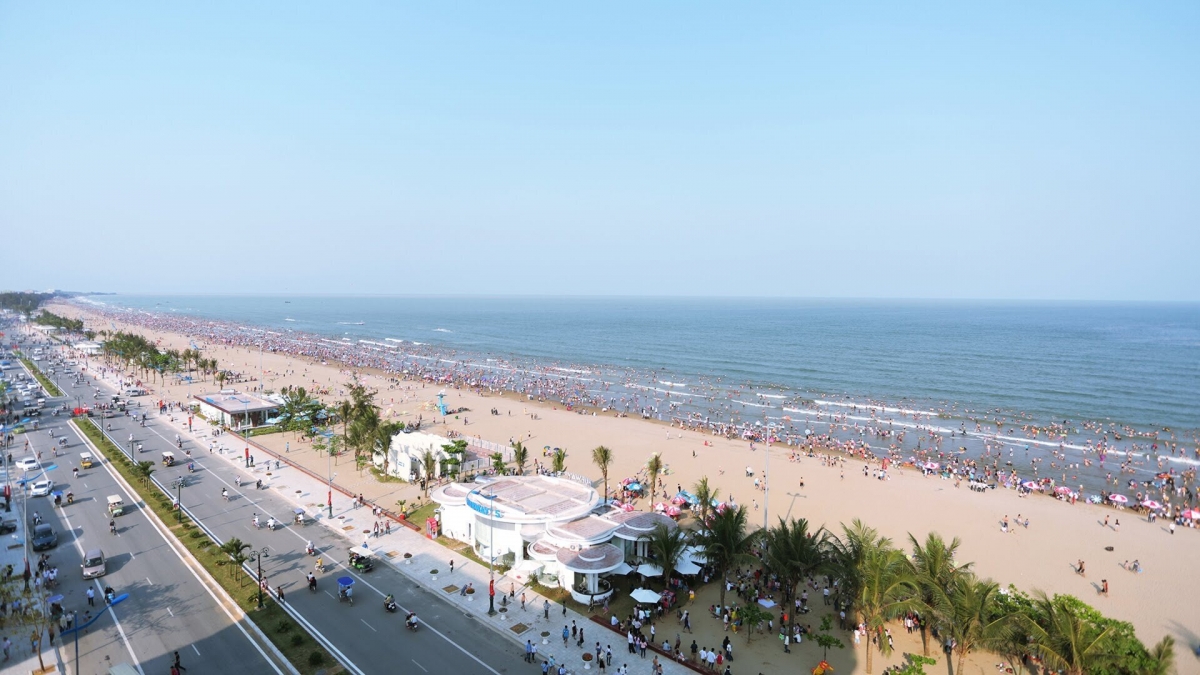
B: It’s definitely scorching over here already, Chris, but we’re doing well and enjoying the lively spirit of summer in Vietnam – bright sunshine, blue skies after sudden showers, iced tea on street corners, and lots of seasonal fruits.
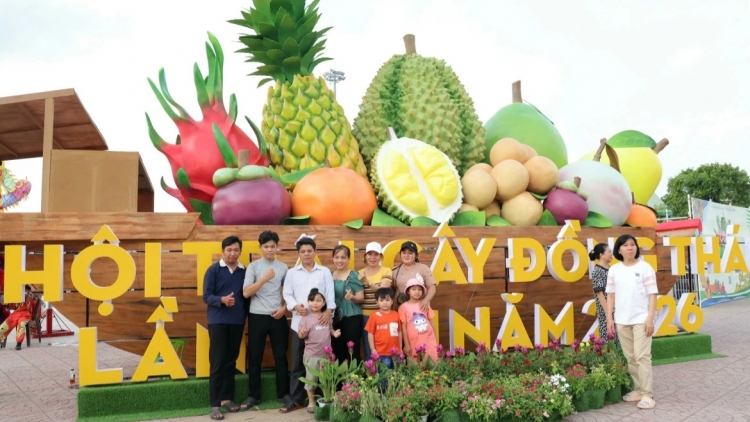
A: Summer is the best season for tropical fruits in Vietnam, with many popular varieties such as lychee, mango, longan, durian, rambutan, and dragon fruit.
B: Last week, we talked about some of the best-known varieties of lychee in Vietnam. Today, we’ll turn to another favorite tropical fruit – mango – to answer a question from Shivendu Paul of India, who asked: “How popular is mango in Vietnam, and how many varieties of mango are there?”
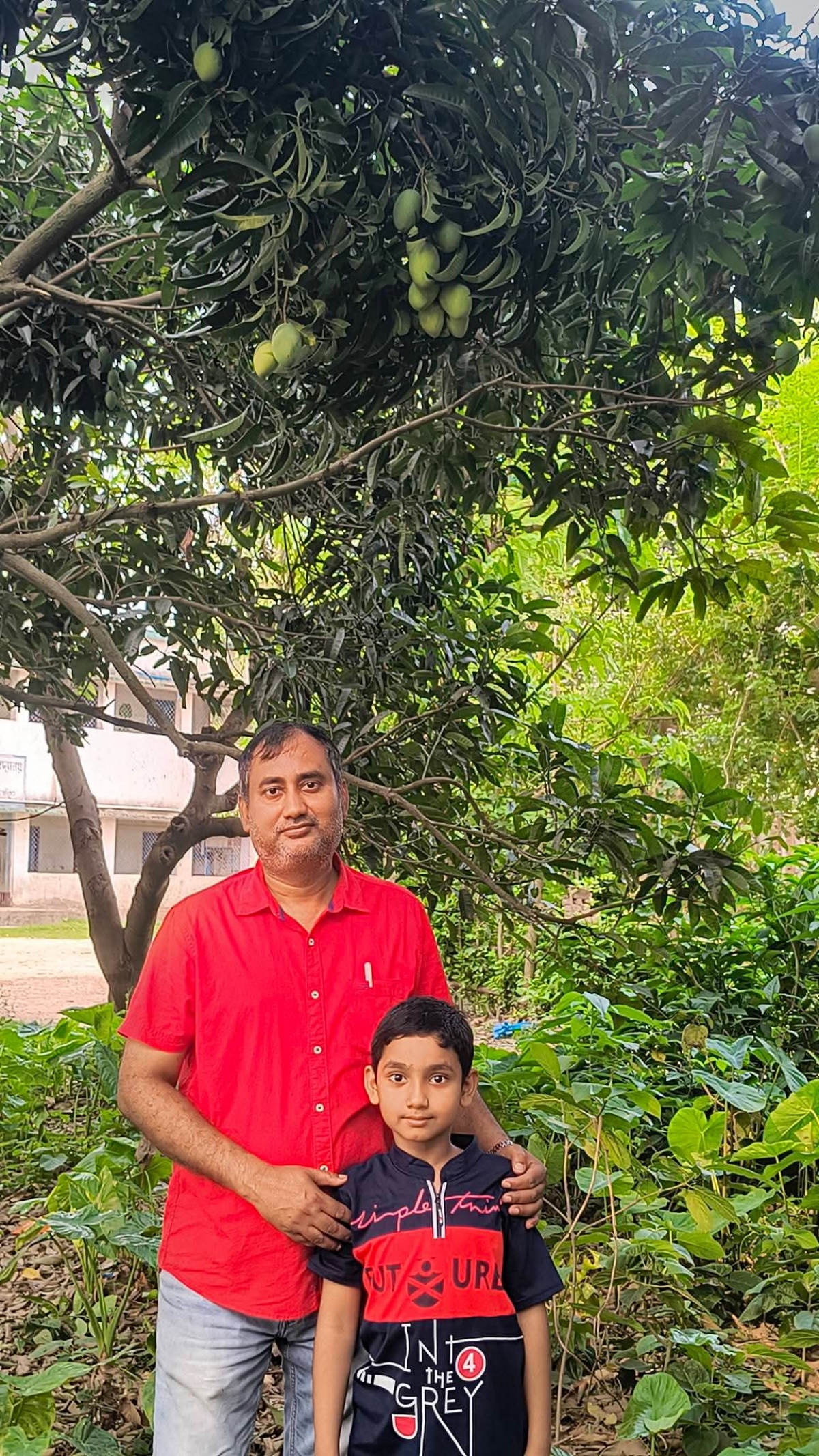
A: Mangoes are grown in many parts of Vietnam, especially in the southern provinces where the tropical climate is ideal for cultivation. Vietnam has dozens of mango varieties, and several are especially well known.
B: One of the most famous is Cat Hoa Loc mango from Tien Giang province, known for its fragrant aroma, smooth texture, and sweet taste. Another popular variety is Cát Chu mango, widely grown in Dong Thap province. It has bright yellow flesh and a balanced sweetness.
A: In recent years, green-skinned mango varieties such as Keo mango have also become very popular because they can be eaten both ripe and unripe. We enjoy mangoes in many ways – eaten fresh, blended into smoothies, served with sticky rice desserts, dried as snacks, or even eaten green with chili salt and fish sauce.
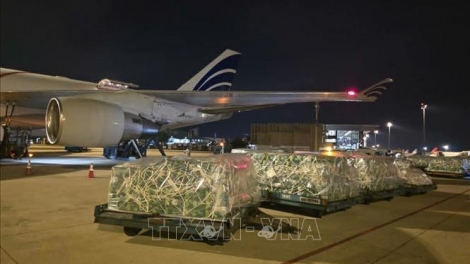
B: According to the Ministry of Industry and Trade, fresh Vietnamese mangoes are exported to around 40 countries and territories, including China – the largest importer of Vietnamese mangos – as well as the United States, South Korea, Japan, Australia, and several European countries.
A: Vietnam exports a wide variety of fresh fruits around the world. We really hope our listeners will share with us which Vietnamese fruits you have tasted and what you think of them.
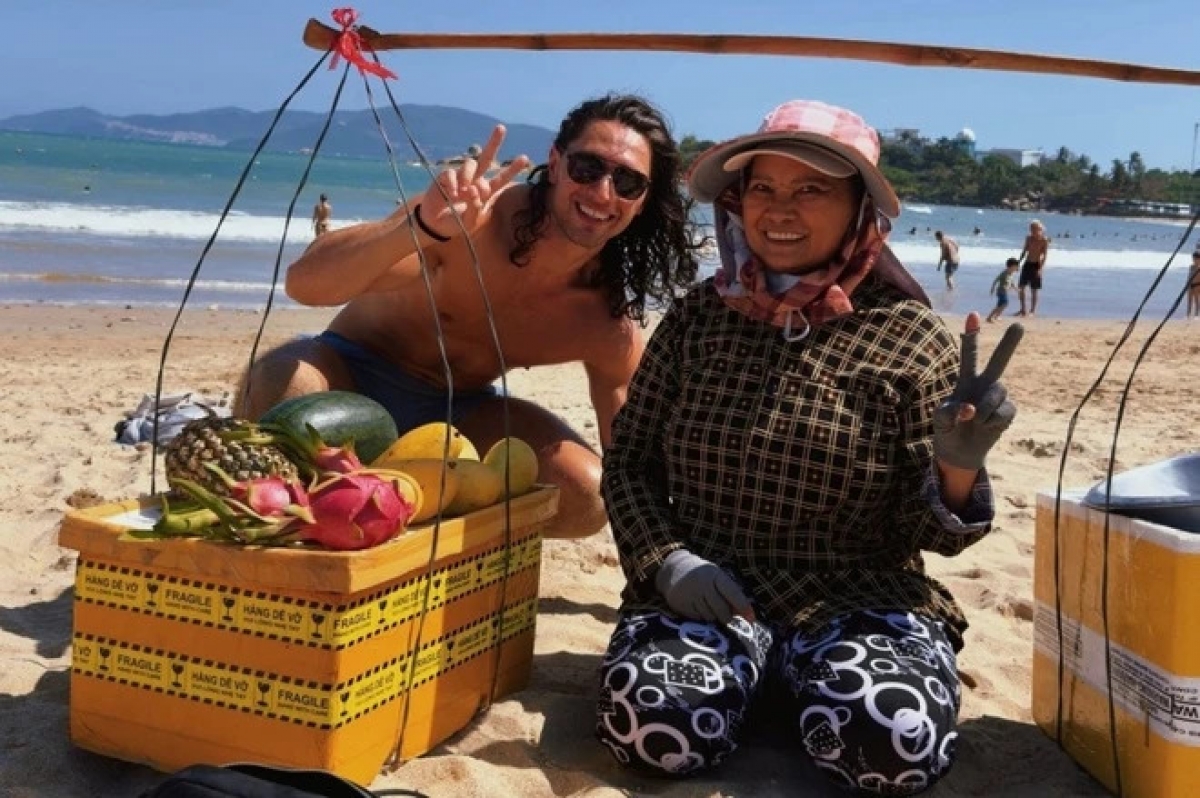
B: Before we continue to read letters from other listeners, let’s enjoy a very special and cheerful song that has attracted millions of views online. South African musician David Scott, better known by his stage name The Kiffness, created a unique musical collaboration with aunty Mai, a Vietnamese fruit vendor by Nha Trang beach.
A: Inspired by a video filmed by a tourist named Louis in 2025, Scott transformed the woman’s rhythmic fruit-selling calls into a catchy melody titled “Mango, Pineapple, Banana, Watermelon.”
B: Later, Louis returned to Nha Trang to find the woman featured in the video. He shared with her the first earnings from the song and played the remixed version created from her own street calls. Let’s listen to it now.
B: The Kiffness - “Mango Pineapple Banana Watermelon ft. Aunty Mai. You’re listening to the Letter Box on VOV. Now we will continue to share reception reports and feedback from our listeners.
A: Ding Lu of Jiangsu province, China, sent a reception report for our broadcast on February 1 on the frequencies 9840 kHz and 12020 kHz. Using a Tecsun PL310ET radio with an external antenna, he rated the reception as ordinary with slight noise and gave a SINPO rating of 43444 and 44444. He noted that the reception quality improved significantly after the program switched to 9835 kHz.
B: On International Children’s Day, June 1, Mr. Ding extended his greetings to all Vietnamese children and those of the English service staff.
A: Thank you, Mr. Ding for your detailed report on our program and your kind wishes on International Children’s Day. We also wish you an early Happy Birthday on June 18 and hope you will have a joyful celebration with your family and friends.
B: I’m reading a letter from Ashok Kumar Bose, a 70-year-old shortwave listener since 1973. He tuned in to VOV’s broadcast on 7220 kHz while visiting Kolkata, India, on February 6. The overall reception that day was good and audible, although there was fairly strong atmospheric noise and frequent interference, he reported.
A: It is always a pleasure to hear from longtime shortwave listeners like you, Mr. Bose. We are grateful for your continued interest and support for the Voice of Vietnam.
B: Here, I have some very interesting feedback from Seiji Hattori, a 66-year-old listener from Gifu city, Japan. He sent a reception report after tuning in to VOV’s English broadcast on May 30 from 11:30 to 12:00 UTC on the frequency of 12020 kHz.
A: Using a SANGEAN ATS-909X2J receiver with a rod antenna, he reported stable reception with strong signals, slight static, and minor fading, giving mostly 55444 and 55544 SINPO ratings. The program included news on Vietnam’s foreign relations, technology and AI, coffee production in the Central Highlands, Buddhism in Vietnam, and a music segment featuring songs by Tung Duong and Thanh Quy.
B: What is interesting about Mr. Hattori’s listening experience is that he often uses computer translation software to understand English broadcasts and was pleased that the good signal quality allowed the software to translate much of the content directly. “My computer's translation software won't translate unless the overall reception level is 4 or higher. Also, it hardly responds at all if the noise level is 3 or lower,” Mr. Hattori said.
A: If the noise is strong or the signal is weak, he listens to the streaming broadcast on the VOVWORLD website to confirm the program content.
B: Mr. Hattori, it seems you are quite a tech-savvy listener, as you really enjoy combining traditional shortwave listening with advanced technology. It is fascinating to hear how you use translation software together with radio reception to better understand international broadcasts.
A: And we are pleased to confirm that your reception details match our station log. A verification card will be sent to you soon.
B: We would like to thank Hayato Furukawa of Nagasaki city, Japan, for his reception report after listening to VOV’s program on May 1 on 12020 kHz, with a SINPO rating of all 4s. We are delighted to know that the signal reached you clearly.
A: Another regular Japanese listener, Fumito Hokamura of Fukuokaken, also reported that the reception on the frequency of 12020 kHz was quite good, allowing him to follow most of the program content on May 9.
B: Thank you, dear listeners around the world, for your feedback and your loyal involvement with the Voice of Vietnam. Many more letters and reception reports have reached us, but due to time constraints, we’re unable to share them all on today’s Letter Box program.
A: We will certainly send verification cards to you soon. Please keep writing to us and sharing your listening experiences and thoughts about our programs.
B: And that’s all for today’s edition of the Letter Box. Goodbye!