



The document already stalled following weeks of mutual accusations regarding violations of commitments.
The MoU was signed by US President Donald Trump and Iranian President Masoud Pezeshkian on June 17, following high-level talks mediated by Pakistan. The 14-point memorandum sought to end hostilities, reopen the Strait of Hormuz, ease certain financial restrictions on Iran, and lay the groundwork for negotiations on the nuclear program.
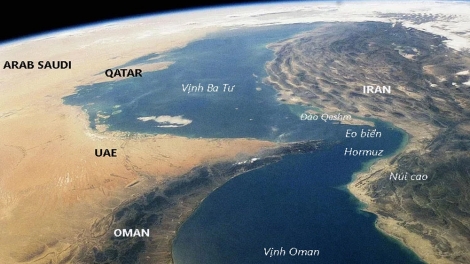
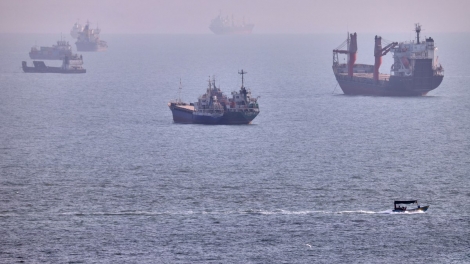
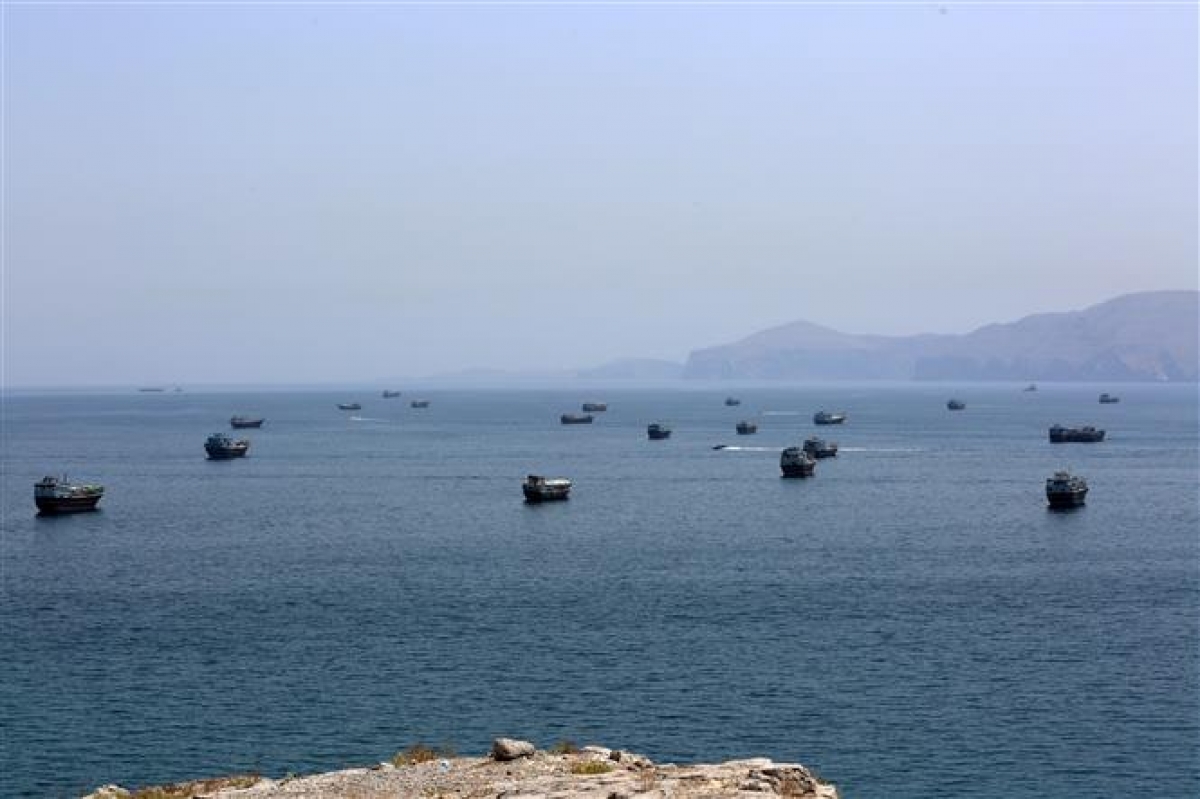
However, disputes concerning operations and control over the Strait of Hormuz quickly undermined this framework. On July 8, President Trump declared the memorandum "over." Washington has since shifted its focus from seeking a political agreement to increasing economic pressure.
Although the Islamabad Memorandum expired on August 17, the two sides continue to view the deal differently. On August 14, Iranian Foreign Minister Abbas Araghchi "We had a termination of the war, which has now taken on a new situation.” He argued that because the US had violated the memorandum and continued its attacks, "we never had a ceasefire that would now need to be extended.”
President Trump and his administration made tough statements on the Strait of Hormuz and measures to exert economic pressure on Iran. On August 14, Trump said he will declare the Strait of Hormuz a US territory.
Analysts say the expiration of the Islamabad Memorandum does not mean the door to negotiations has closed. But the future of US-Iran relations will depend on the ability of both sides to narrow their differences and find a framework for a new agreement.