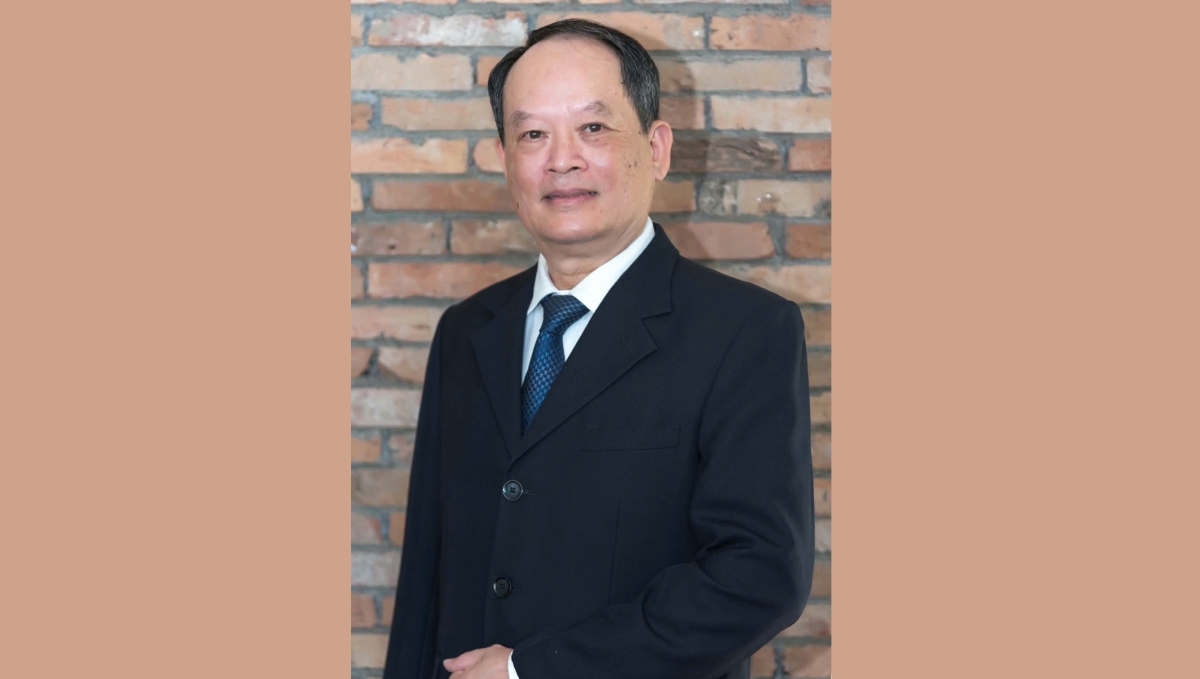
According to Ambassador Hau, the bilateral Comprehensive Strategic Partnership focuses on trade and investment, education and training, high-tech agriculture, science and technology, and people-to-people exchanges. Defense and security cooperation is also receiving due attention.
Both countries are members of key free trade agreements, including the Comprehensive and Progressive Agreement for Trans-Pacific Partnership (CPTPP), the Regional Comprehensive Economic Partnership (RCEP), and the ASEAN–Australia–New Zealand Free Trade Area (AANZFTA).
Ambassador Hau said there remains significant room for expanding commercial ties between Vietnam and New Zealand, making the target of 3 billion USD in bilateral trade in the coming years entirely achievable.
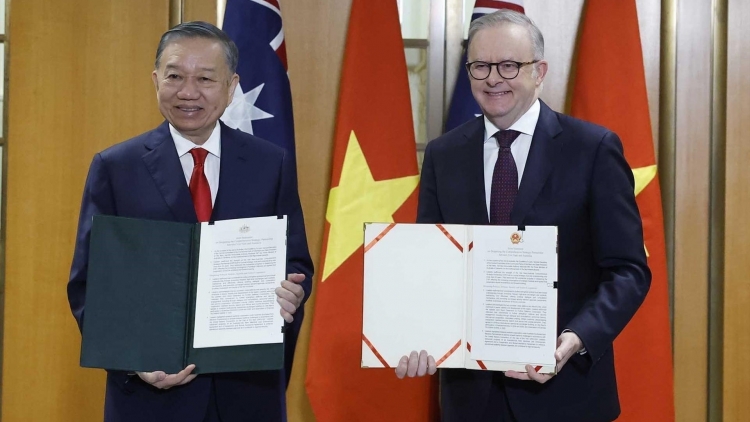
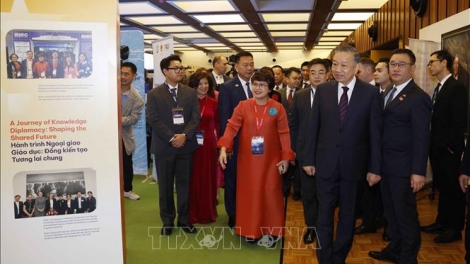
He said he believes that with the historic visit of General Secretary and President To Lam to New Zealand, the two countries will certainly reach many new cooperation agreements to advance the Comprehensive Strategic Partnership, specifically the Action Plan from 2025 to 2030.
“I hope New Zealand will respond to Vietnam's priorities in areas such as science and technology, agriculture, innovation, digital transformation, green transition, renewable energy, education and training, tourism, people-to-people exchanges, and defense and security. The two countries continue to support and coordinate with each other at regional and global forums," the diplomat said.
Meanwhile, Honorary Professor Roberto Rabel, senior fellow at the Centre for Strategic Studies at Victoria University of Wellington, said General Secretary and President Tô Lâm’s state visit to New Zealand presents an important opportunity for both countries to advance the substantive implementation of their partnership and expand mutually beneficial cooperation.
Professor Roberto said he believes the visit will create favorable conditions for the two countries' leaders to exchange views on cooperation in trade and investment, regional diplomacy, security, climate change response, innovation and digital transformation, tourism, and education. These practical areas of cooperation will help deepen Vietnam–New Zealand relations, deliver concrete, long-term results, and bring tangible benefits to both countries, said the Professor.