



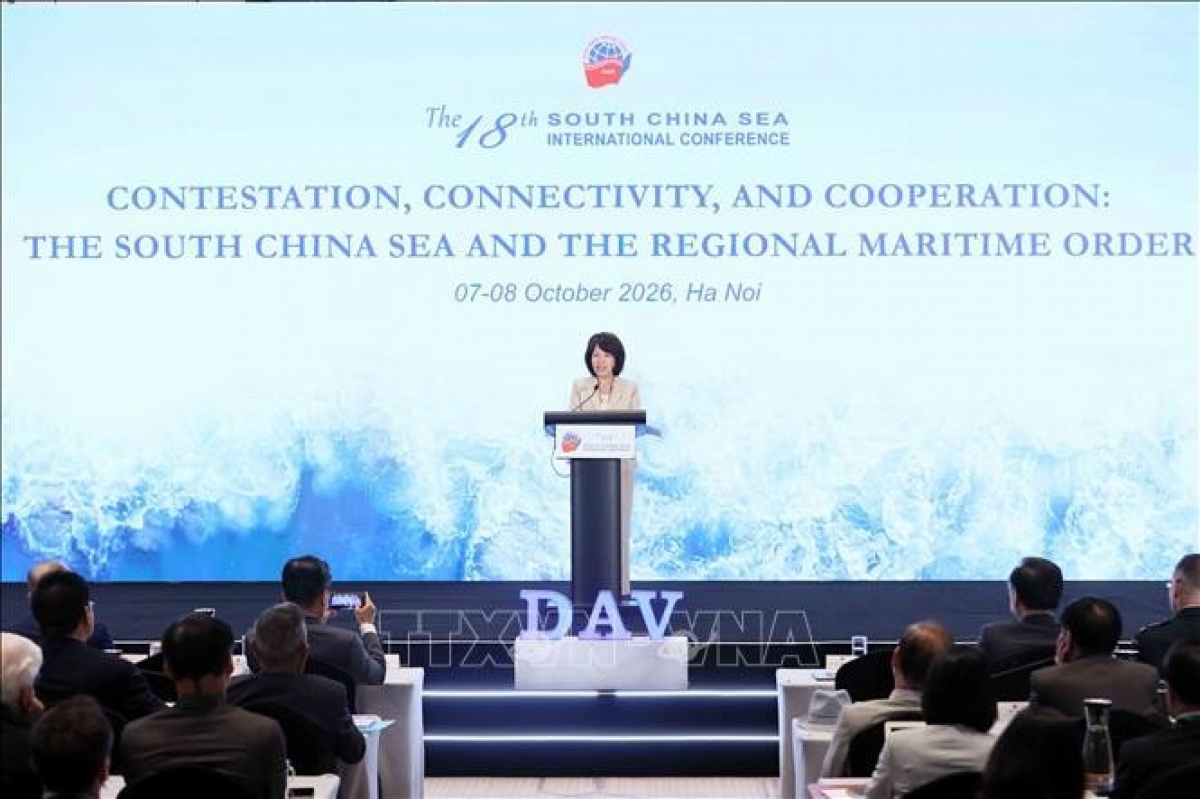
High on the agenda of the two-day conference are the strategic landscape in the South China Sea; shifts in the maritime policies of major powers; issues of transparency, restraint, and risk mitigation; and the link between instability in the Gulf region and maritime security in Southeast Asia.
Participants are proposing initiatives and solutions to manage risks and expand cooperation based on the 1982 United Nations Convention on the Law of the Sea (UNCLOS).
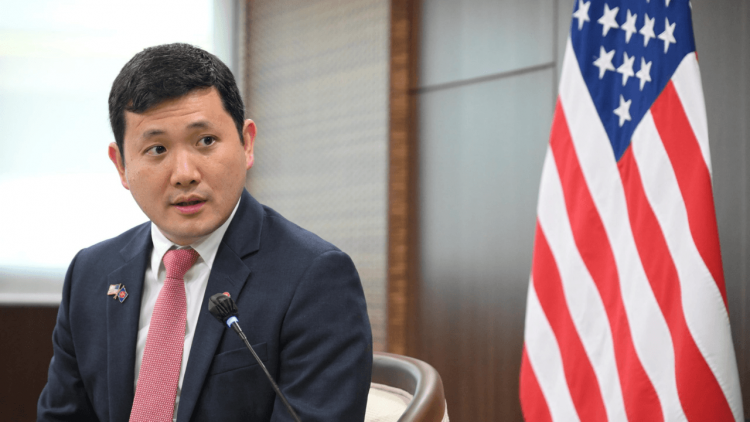
Philippine Undersecretary of Foreign Affairs Leon Herrera Lim said: “UNCLOS is the constitution of the oceans. Its legal integrity safeguards the sovereignty, sovereign rights, and jurisdiction of every coastal state. The freedoms of navigation and overflight are not favors granted by any single power. They are rights that belong equally to all nations guaranteed by international law.”
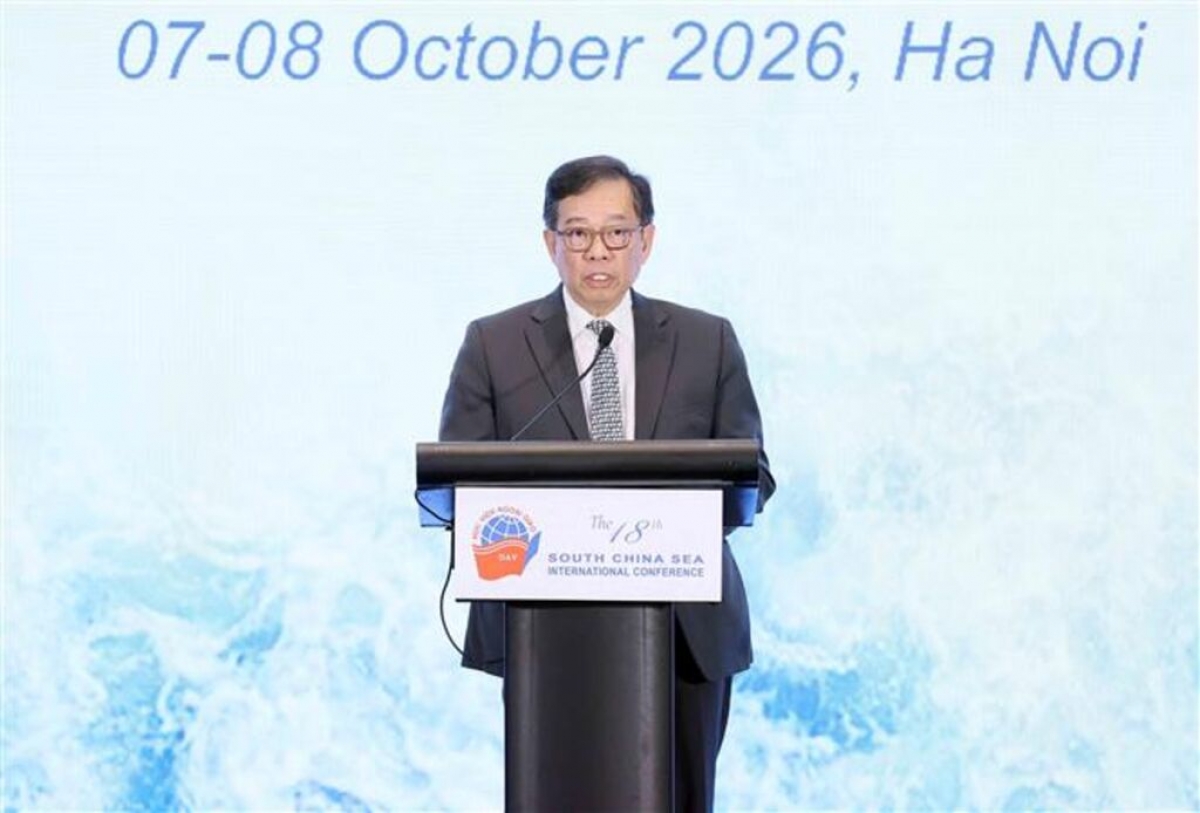
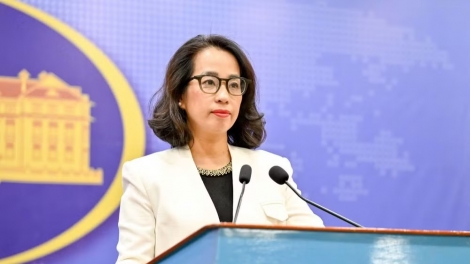
A point of broad agreement is that lasting peace and prosperity at sea can only be achieved through respect for the rule of law. “Rules matter most when they are reflected in actual behavior. Respect for international law must be accompanied by restraint. Rights must be accompanied by responsibilities. And differences must be managed in ways that reduce misunderstandings and prevent escalations. This is why confidence-building and risk reduction deserve greater attention,” according to Vietnamese Deputy Foreign Minister Nguyen Thi Hoang Van.
At the conference, the organizers unveiled the annual South China Sea Report, featuring analysis of new developments and in-depth discussions. The report, together with inputs of the two-day conference, seek to build a peaceful, stable, and cooperative maritime environment in the South China Sea or the East Sea as the Vietnamese call it.