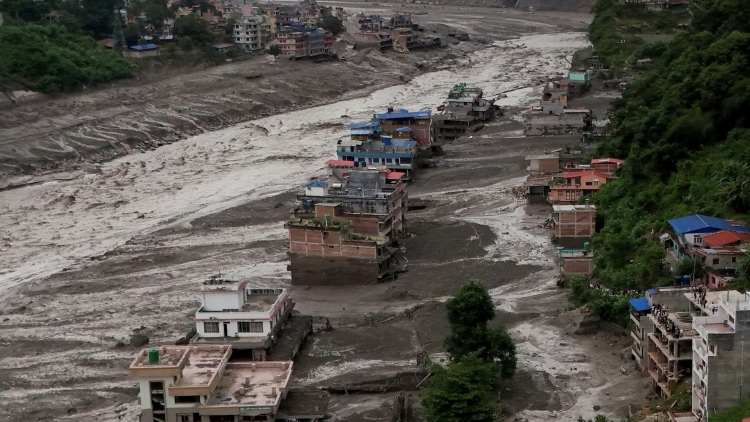
Thousands of security personnel and military helicopters have been redeployed to reach areas that remain inaccessible by road.
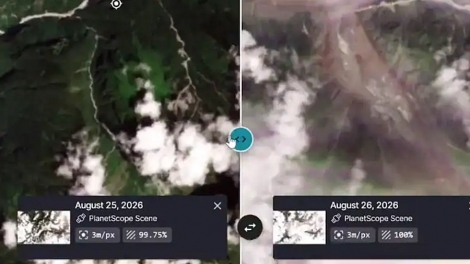
However, concerns remain over two lakes formed after landslides blocked river channels. The first lake is showing signs of receding, while the second continues to rise and has a larger surface area than the first.
Forecasts of monsoon rains in the coming days could push water levels higher, placing additional pressure on downstream areas.
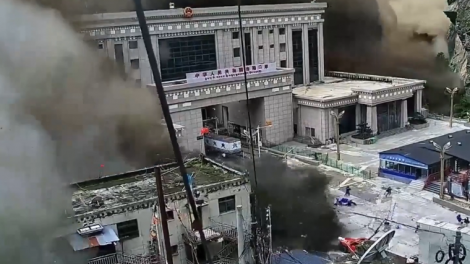
As of Saturday morning, Nepalese authorities had confirmed 579 deaths, while 1,924 people remained missing. In China’s Tibet Autonomous Region, seven people have been confirmed dead and 554 remain missing.
The casualty figures are expected to rise as many remote mountainous areas remain cut off and difficult to access.
Meanwhile, international relief efforts are being stepped up.
The UK Foreign Office said crisis-response personnel would arrive in Kathmandu on Saturday to strengthen consular support. The deployment is part of Britain’s response to the disaster in Nepal, including £5 million, or about 6.77 million USD, in humanitarian assistance for relief and recovery efforts.
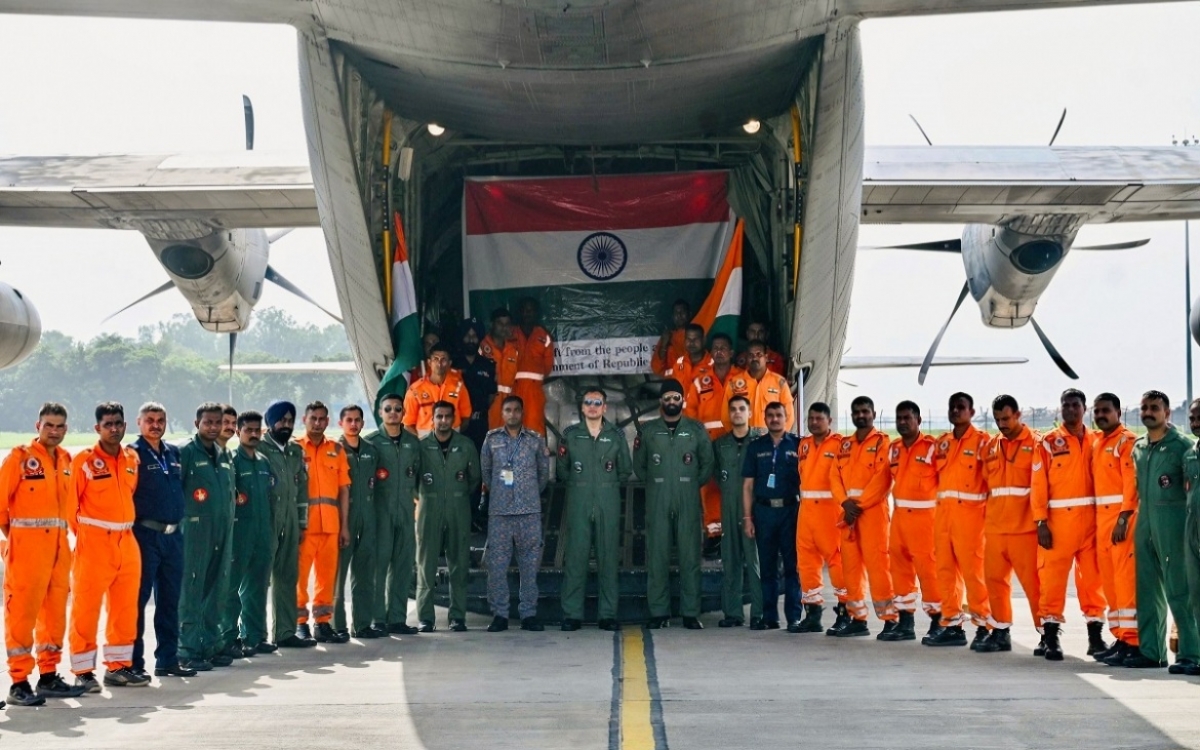
India, meanwhile, said an 11-member specialist rescue and medical team had arrived in Nepal aboard the Indian Air Force’s third relief flight.