



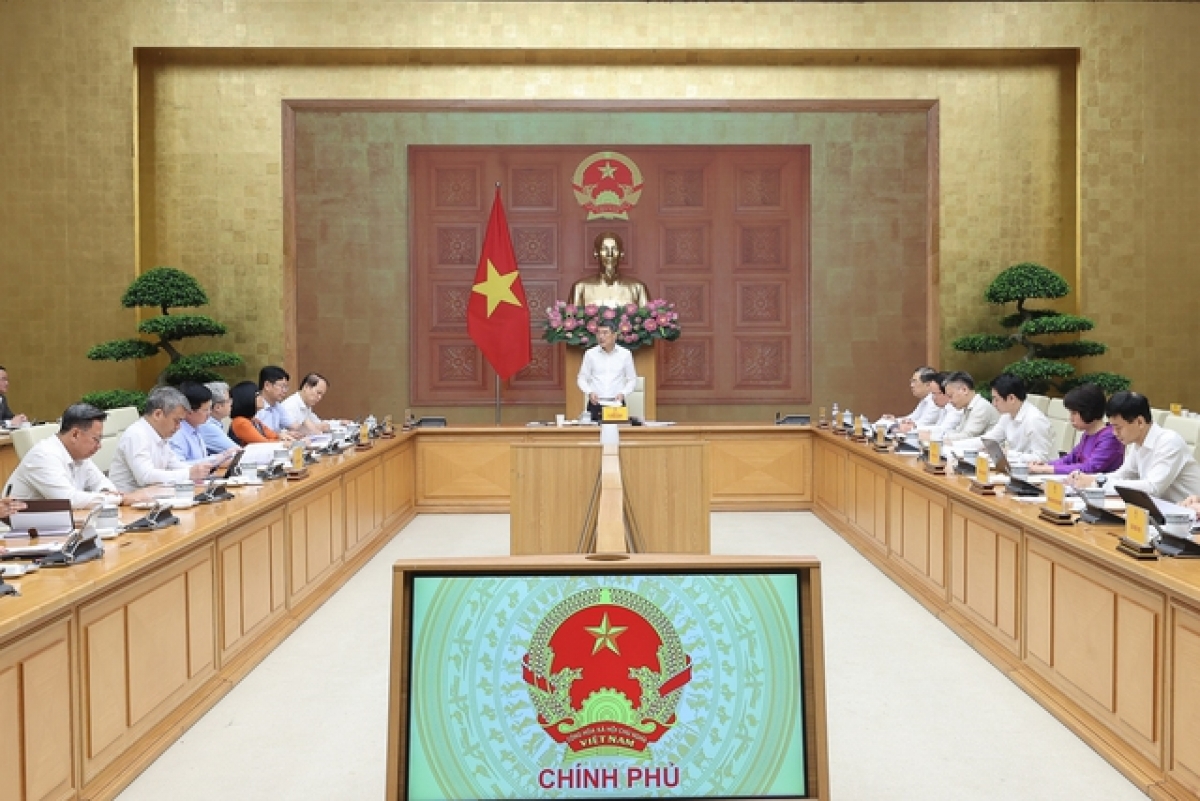
The draft laws include the consolidated Law on the State Budget, the revised Law on Bidding, amendments to several articles of the Law on Investment, and the Law on Small and Medium Enterprise Development.
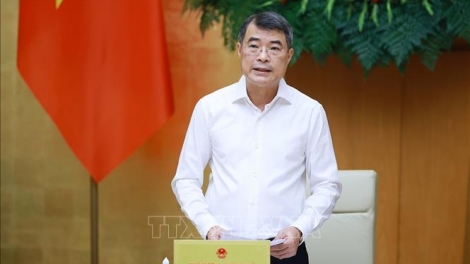
Addressing the meeting, the Prime Minister said the four laws would have a direct impact on people, businesses, the economy, and the mobilization and allocation of resources. Their drafting, therefore, must strictly comply with established requirements.
The PM said: “Along with removing bottlenecks, one particularly important task is to adopt new thinking that is constructive and development-oriented. We must introduce new provisions that create favorable conditions and unlock resources for development. We must address practical obstacles at their root, reform and simplify administrative procedures, and strictly prevent new procedures from being created. Legal provisions must also be clear and consistent in their interpretation to ensure effective implementation.”
The Prime Minister called for comprehensive impact assessments and thorough consultations with experts, scientists, ministries, sectors, and localities. He noted that difficulties and obstacles identified by local authorities and businesses must be carefully studied and reflected in the laws.
During the consultation process, drafting agencies must clearly explain the policy objectives behind each provision. This would help ensure a common understanding and, subsequently, consistency in implementation once the laws are passed.
The Prime Minister also requested careful consideration of implementation and transitional provisions to avoid legal gaps, while allowing affected parties sufficient time to prepare for the new regulations.
He stressed the need to minimize the issuance of excessive circulars and decrees containing complicated cross-references, which can create confusion for management agencies, people, businesses, and local authorities during implementation.