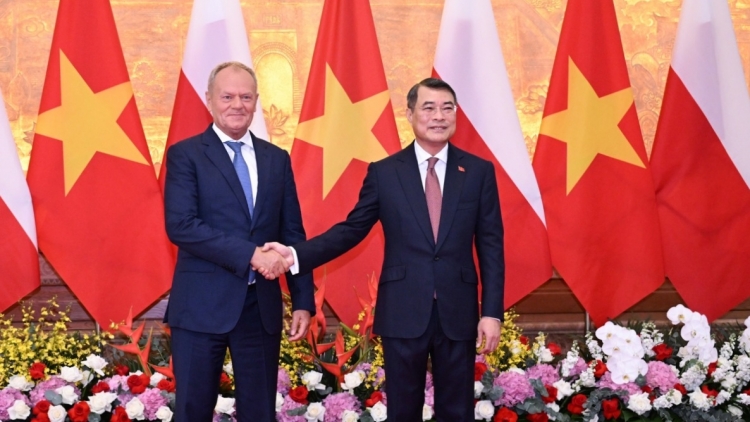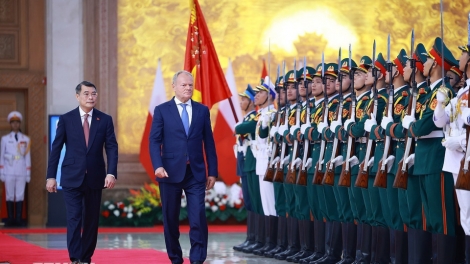



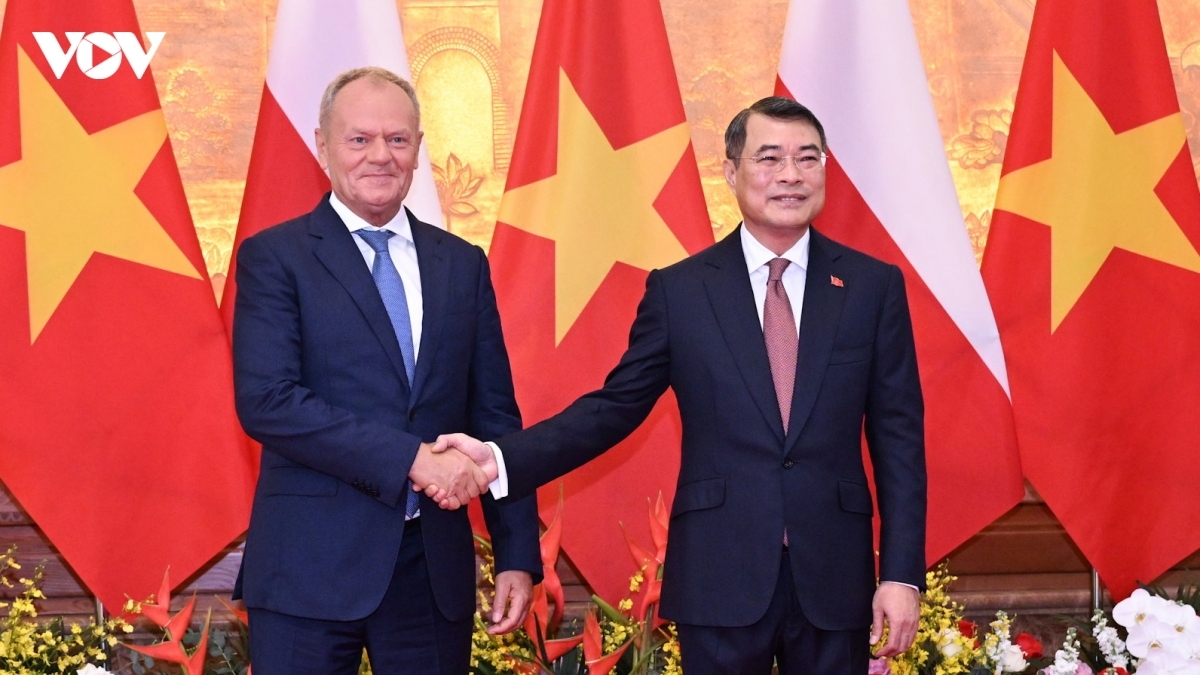
In the Joint Statement, both sides emphasized that shared interests, mutual respect, and historical ties serve as the core foundation for their bilateral partnership. They reaffirmed their commitment to further deepening cooperation across a wide range of areas.
Regarding political relations, the two sides agreed to strengthen cooperation at the local level and promote people-to-people exchanges, while encouraging the establishment of collaborative frameworks between local authorities, ministries, and agencies of both countries, in accordance with their respective national laws and regulations.
Concerning economic and trade cooperation, the two sides identified economic, trade, and investment ties as pillars of their bilateral relationship. They underscored the necessity of fully and effectively implementing the Free Trade Agreement between the European Union and Vietnam to unlock the potential it offers both parties, with a particular focus on sectors such as modern and advanced technology, industry, agriculture, consumer goods, and services.
The two sides also agreed to enhance cooperation in national defense, education, science, technology, culture, and people-to-people exchanges.
Regarding regional and global cooperation, both sides highlighted the central role of the United Nations and the importance of upholding an international order based on the UN Charter and international law. They agreed to deepen cooperation within the framework of EU–Vietnam relations, strengthen collaboration within the context of Poland–ASEAN relations, as well as within the ASEAN–EU framework.
Both sides reaffirmed their support for the 1982 United Nations Convention on the Law of the Sea (UNCLOS 1982) and the principle of the peaceful settlement of disputes, while firmly opposing any use of force or threat of the use of force that runs counter to international law.
They reaffirmed the importance of maintaining peace, stability, security, and safety—including freedom of navigation and overflight—as well as unimpeded trade in the East Sea and globally.
Both sides expressed their support for regional efforts toward the development of an effective and substantive Code of Conduct in the East Sea (COC) that is consistent with international law, particularly UNCLOS 1982.