



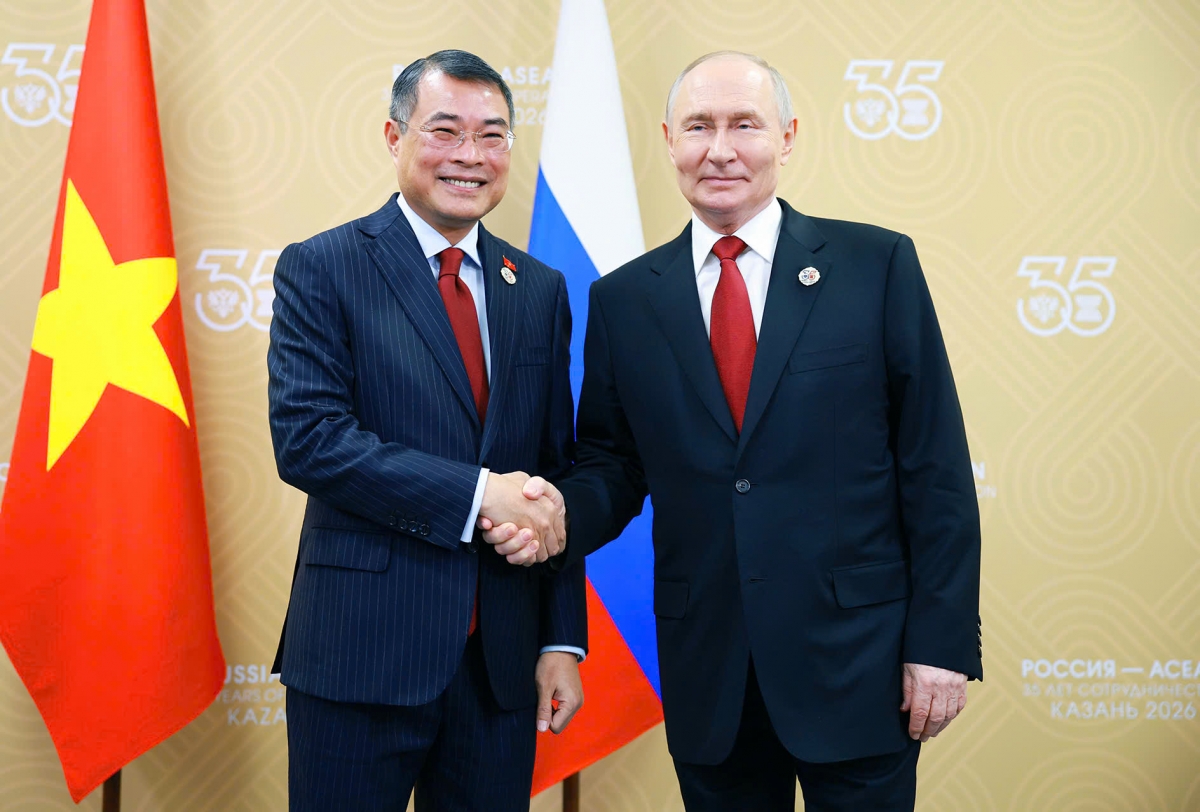
PM Hung said the Vietnamese Party, State, and Government always consider Russia one of the most important partners in Vietnam’s foreign policy. He affirmed that Vietnam’s new Government wishes to work closely with the Russian Government to push forward agreements reached between Party General Secretary and State President To Lam and President Vladimir Putin, thereby elevating bilateral ties comprehensively.
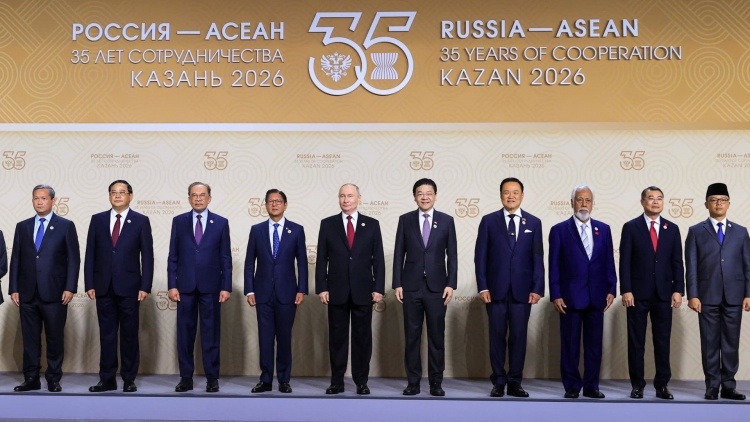
President Putin thanked the Vietnamese side for its close coordination and active contributions to the success of the ASEAN-Russia Commemorative Summit marking the 35th anniversary of their ties. Vietnam is one of Russia’s most important partners and a close friend in the region, a key bridge to ASEAN and a driver of Russia’s cooperation initiatives in the region, President Putin said and applauded concrete gains in bilateral cooperation.
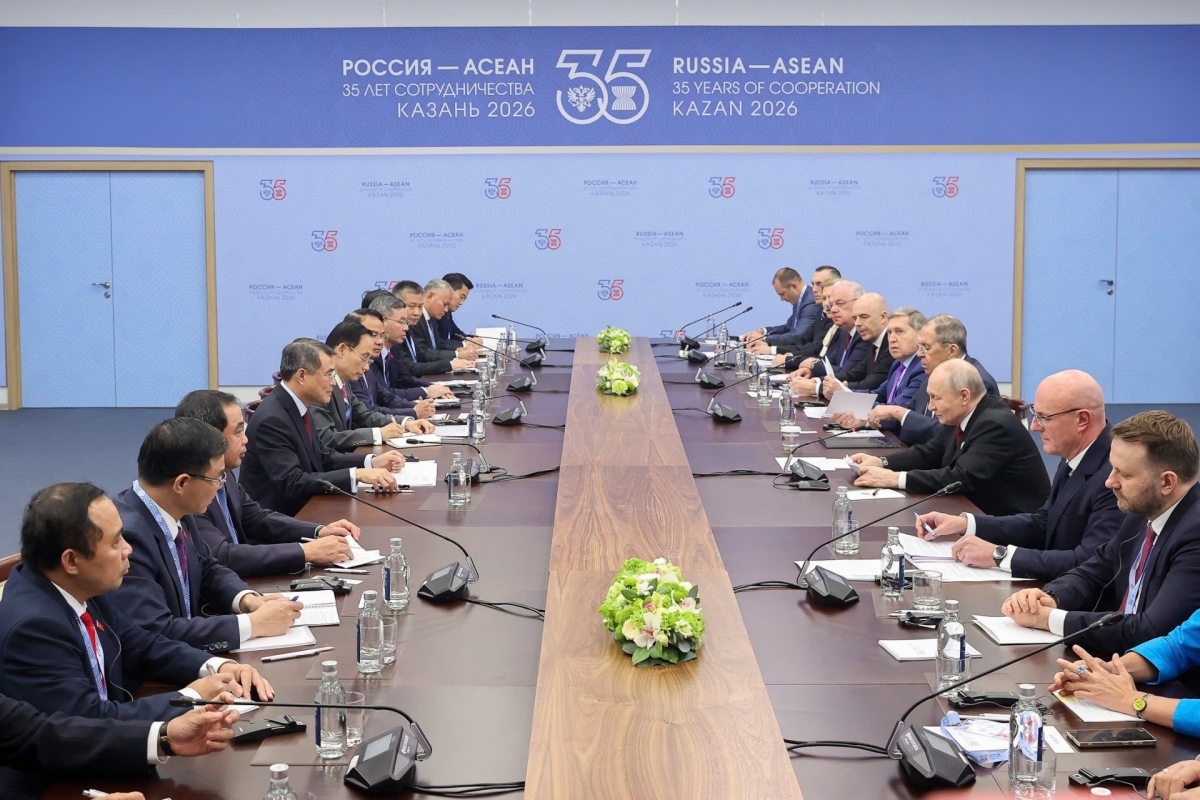
PM Hung and President Putin affirmed that defence and security cooperation remains a strategic pillar of bilateral ties and concurred to further strengthen collaboration in cybersecurity and exchanges between military personnel of the two countries. They agreed to accelerate negotiations for the early implementation of the Ninh Thuan 1 Nuclear Power Plant project. They affirmed that cooperation in energy, oil and gas, and nuclear power is one of the key pillars of bilateral relations and should be implemented in line with the agreed roadmap.
In economic and trade cooperation, the two sides expressed their determination to raise bilateral trade to 15 billion USD in the near future. They consented to continue collaboration in mining, transport, shipbuilding, railway modernisation, the expansion of transport corridors, including international intermodal railway routes through China.
On the occasion, PM Hung invited President Putin to attend the APEC Economic Leaders’ Week, scheduled to be held in Phu Quoc, Vietnam, in 2027. He expressed his belief that the participation of President Putin and the Russian delegation would contribute to promoting cooperation, development, peace and stability.