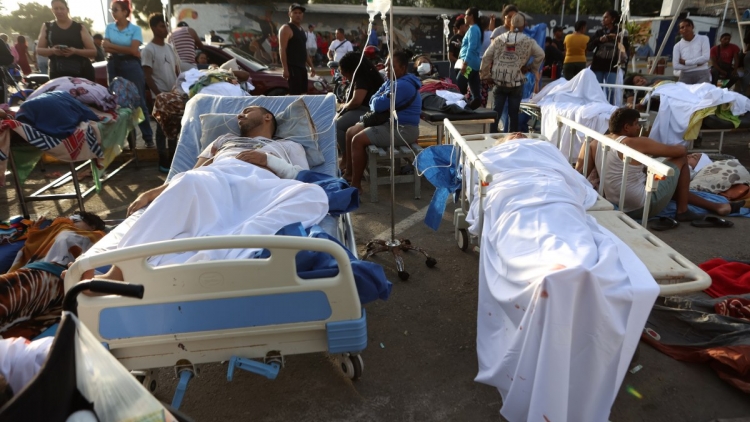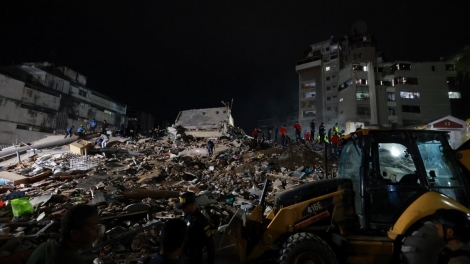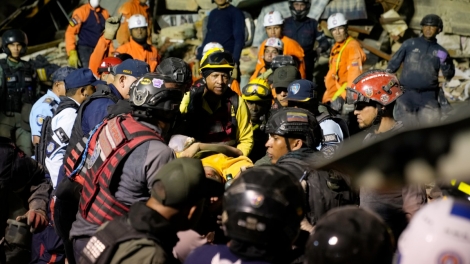




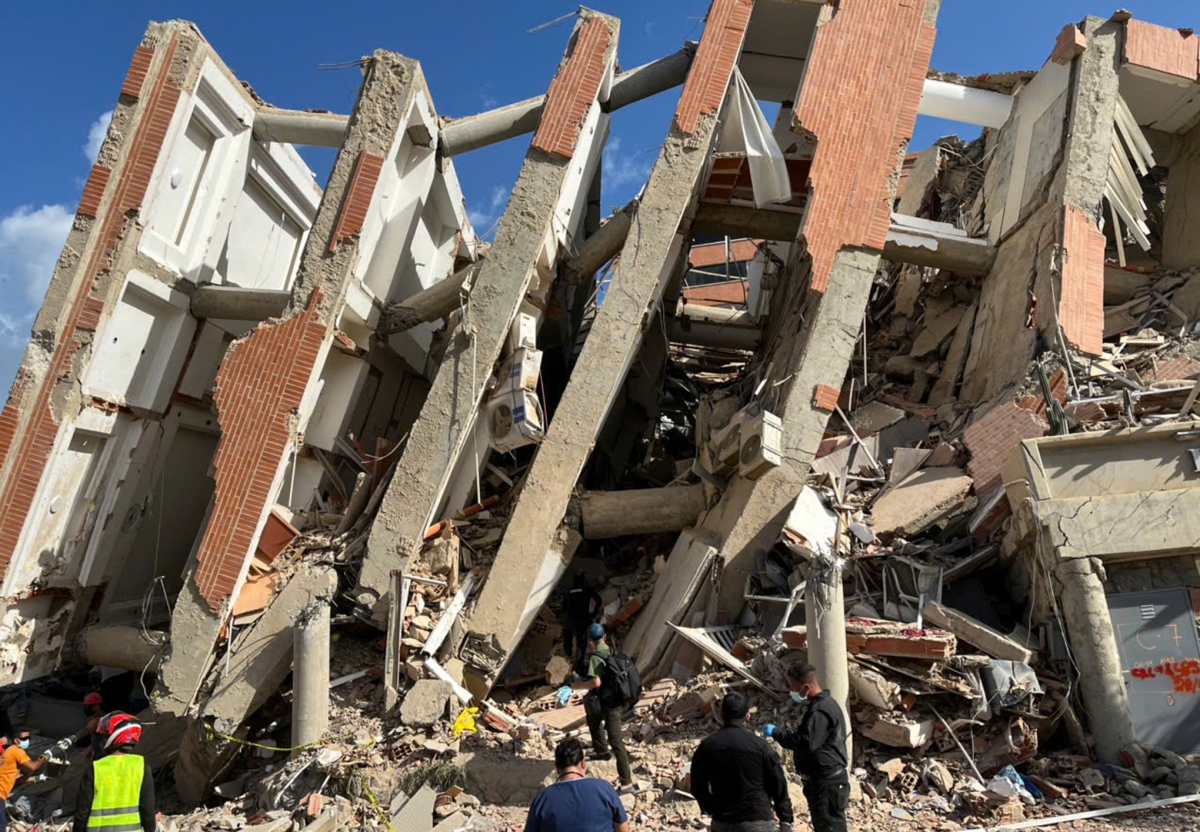
Jorge Rodriguez, president of Venezuela's National Assembly, said the death toll from the twin earthquakes had risen to 1,943, with more than 10,500 people injured and 15,866 displaced.
WHO spokesperson Christian Lindmeier said healthcare facilities across Venezuela are operating beyond capacity as they treat a surge of trauma patients. He warned that the risk of outbreaks of vaccine-preventable diseases, including measles and diphtheria, was increasing because vaccination coverage in Venezuela was already low before the earthquakes.
Venezuela also faces a heightened risk of mosquito- and water-borne diseases, including yellow fever, malaria, dengue fever, chikungunya and Zika, the WHO said.
Acting President Delcy Rodriguez said 38 hospitals had been damaged by the earthquakes, and those still operating are overwhelmed by the influx of patients. She said disruptions to infection prevention and control measures, combined with exhausted medical staff, has further strained the country's healthcare system.
Japan said it will provide emergency supplies, including water purification equipment, water containers, and tarpaulins, to provide clean drinking water and temporary shelter for people displaced by the disaster.
South Korea announced 5 million USD in humanitarian assistance for Venezuela through international organizations. Seoul said it is prepared to deploy search-and-rescue teams if Venezuela requests further assistance.