



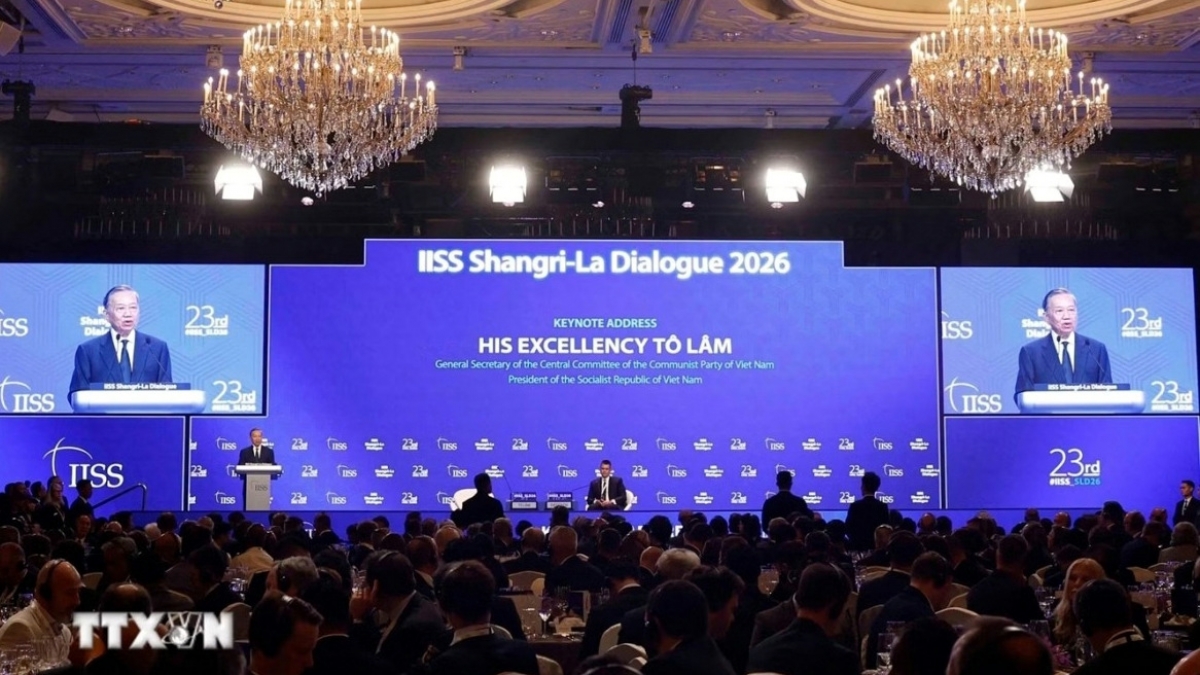
AI, big data, cybersecurity, quantum technology, and autonomous systems are emerging as key topics at international defense forums and defense cooperation. At the Shangri-La Dialogue 2026, held in Singapore in May, Vietnam highlighted its desire to strengthen cooperation in AI and digital transformation in defense and security, while underscoring the role of human oversight in the management and use of technologies that have a significant impact on security and stability.
This approach is also being put into practice through defense cooperation between Vietnam and its partners.
In May, Vietnam and India signed a memorandum of understanding on cooperation in AI and quantum technology in the defense sector. In August, Vietnam-US defense cooperation was further expanded through a new agreement on addressing the consequences of war, including issues related to technology and digital data.
“The world is facing many uncertain risks. Broader connections are easier to damage. Technology advances, but the risk of abuse is greater. In addition to the positive aspects, the negative aspects of AI are also emerging,” Acting US Secretary of the Navy Hung Cao said.
“There are three main groups in Vietnam that need to be promoted. The first is human responsibility and control, with effective and serious security measures, especially in the defense sector. This is what's needed in order to heal. The war, like you said, ended 51 years ago, and it's time for us to move on. And the only way to move on is for us to heal the wounds of the past. I just came from Hawaii, where we had the big lab, and so the DNA technology out there, we're trying to expedite a lot of the findings. They can do some things right there, or they can fly back to Nebraska for further analysis. But this is what we're committed to doing, is to work with Vietnam,” he said.
Technology is helping connect Vietnamese defense companies with international partners. At the SAHA 2026 Defense and Aerospace Exhibition, recently held in Türkiye, Viettel High Tech showcased more than 70 high-tech products, ranging from radar and unmanned aerial vehicles (UAVs) to counter-UAV systems, electronic warfare equipment, and dedicated 5G networks for military use.
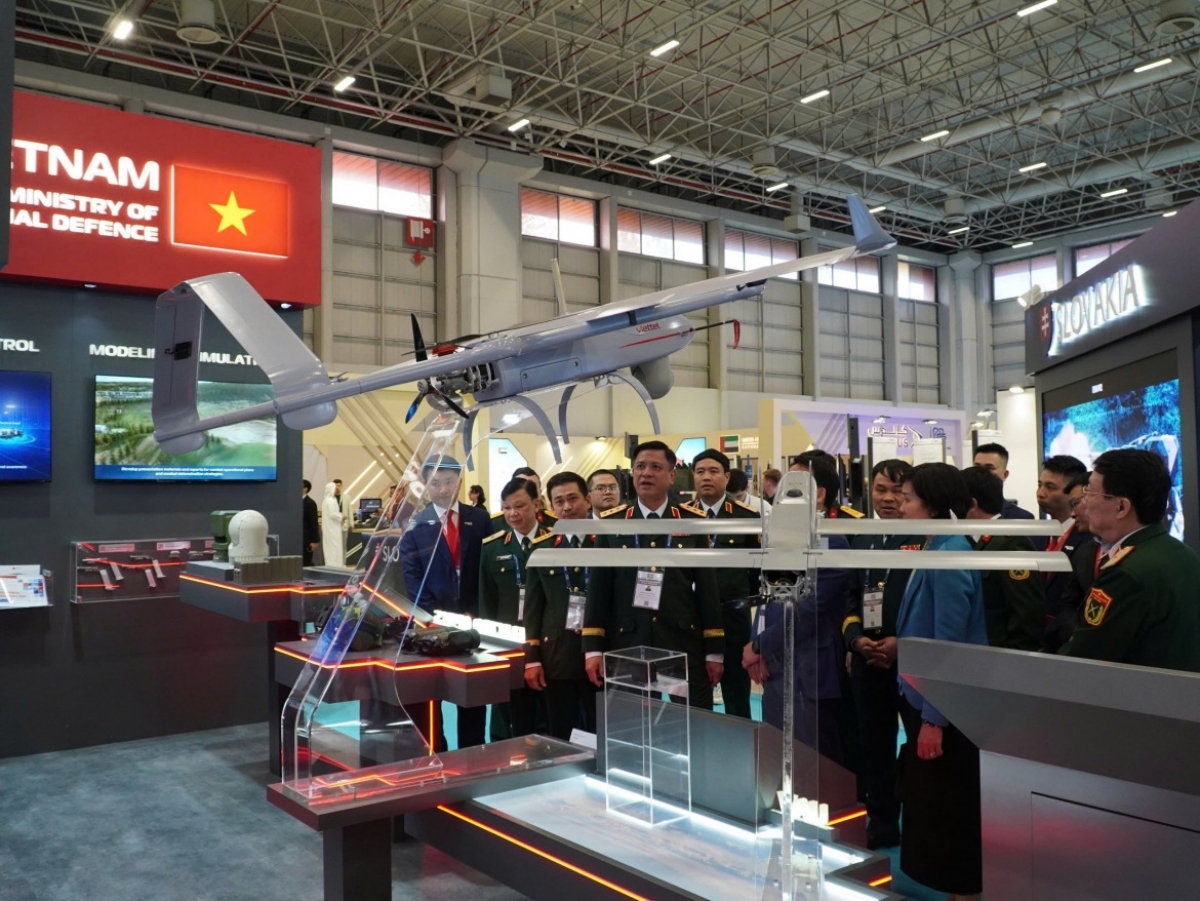
At the exhibition, products developed by Vietnamese engineers attracted interest from potential international partners. Viettel High Tech Industries Corporation signed a cooperation agreement with Karel Electronics, a major Turkish defense technology company, to test and integrate Viettel’s private 5G network solutions into military communications environments that require high levels of security and stability.
Viettel High Tech general director Nguyen Minh Quang, said, “Cooperation with international partners is essential for any company seeking to expand globally. We cannot go it alone; we need reliable partners. Of Vietnam’s 11 strategic technologies, Viettel is involved in developing nine, including 5G and 6G. Under our roadmap, we will begin 6G trials in 2028.”
International cooperation helps Vietnam expand its network of partners and gain access to new knowledge, experience, and technologies. It also creates more opportunities for Vietnamese enterprises to participate more deeply in the international defense industry supply chain.
Vietnam also aims to master several strategic technologies for digital defense by 2030, including AI, the Internet of Things, big data, quantum technology, 5G and 6G, and satellite communications. At Vietnam’s defence training institutions, this direction is being put into practice by integrating AI, programming, simulation, and digital tools into teaching. These efforts are gradually building a workforce capable of mastering advanced technologies.
At the College of Chemical Defense Officers, strengthening digital skills and mastering advanced technologies are priorities. These efforts help improve training quality and prepare officers to meet the requirements of building a modern military.
Lieutenant Colonel Nguyen Thi Thanh Hai, a lecturer at the college, said, “In information technology and digital transformation, students learn to use AI applications, simulation software and software for drawing up combat plans. They also study programming, which can help them develop software to support training and their professional duties.”
Digital technology is creating a new cycle of connectivity: international cooperation expands knowledge, knowledge builds capabilities, and those capabilities strengthen national defense. At the same time, it creates opportunities for countries to step up dialogue, build trust, and cooperate for peace.
For Vietnam, actively engaging in these new areas of cooperation is also a way to expand defense diplomacy, mobilize international resources, enhance technological capabilities, and safeguard the homeland early and from afar.