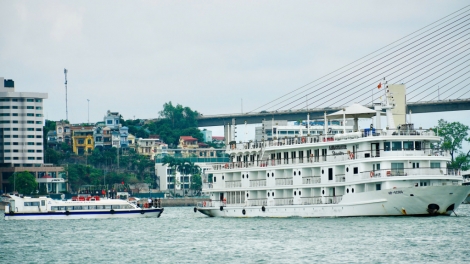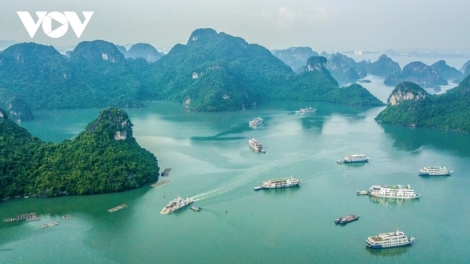




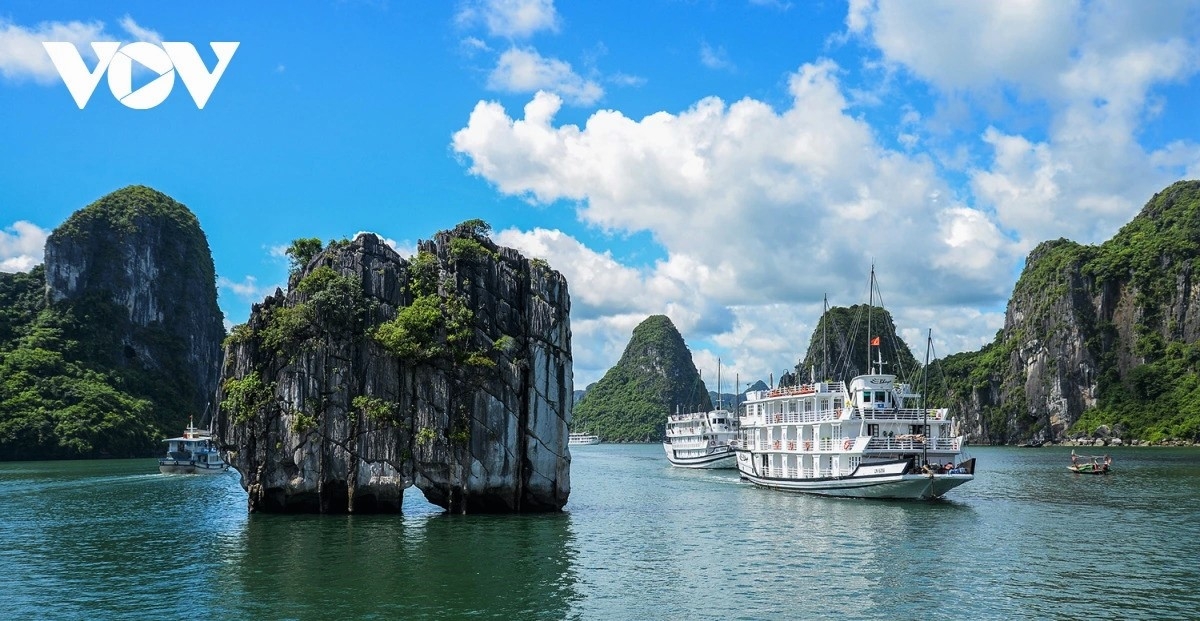
Every day, before tourist boats become crowded, those who try to “keep the bay clean” begin their workday.
Pham Van Chung, an employee of Riverway Unit 3, which operates a garbage collection boat in Ha Long Bay, said: “We collect and transport the waste back to shore, where it is handled by waste treatment workers. Every 10 days, we bring around 10 cubic meters of waste ashore.”
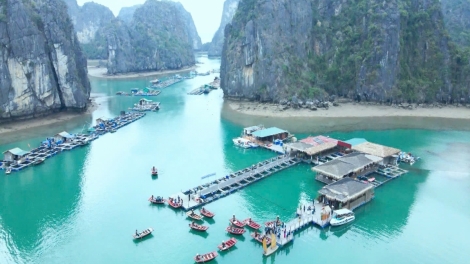
For residents of the Vung Vieng floating fishing village in Ha Long Bay, the marine environment has provided them with livelihoods for generations.
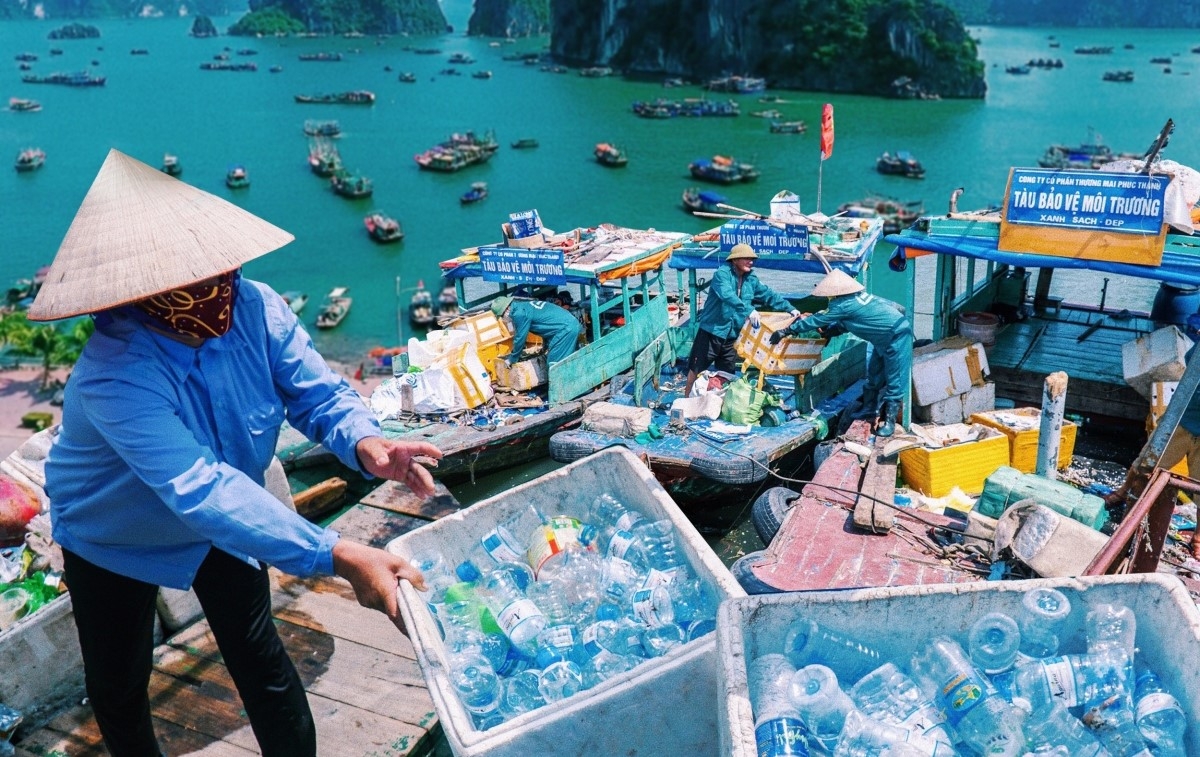
Vu Van Hung, a resident of Vung Vieng fishing village in Ha Long Bay, said: “We are working together to preserve and promote the traditional fishing village. Every day, we continue our efforts to keep the sea clean. Even the boat rowers take part in this effort.”
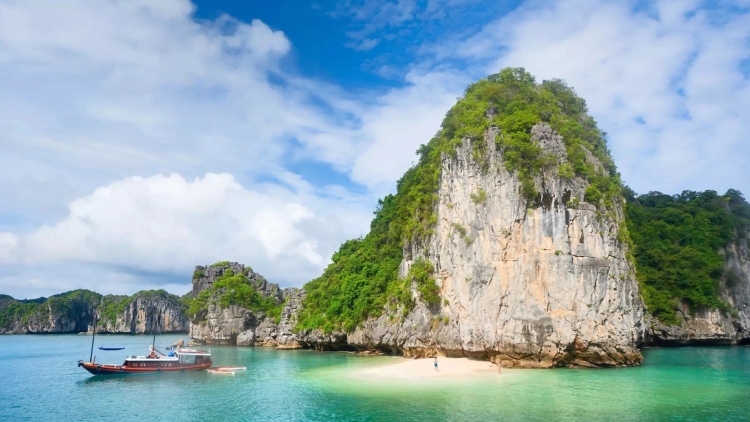
Protecting the environment in Ha Long Bay means preserving the landscape, safeguarding the marine ecosystem, protecting fisheries resources, and promoting sustainable tourism. For tourists, small actions such as not littering, limiting single-use plastics, and following regulations also contribute to preserving the bay’s beauty.
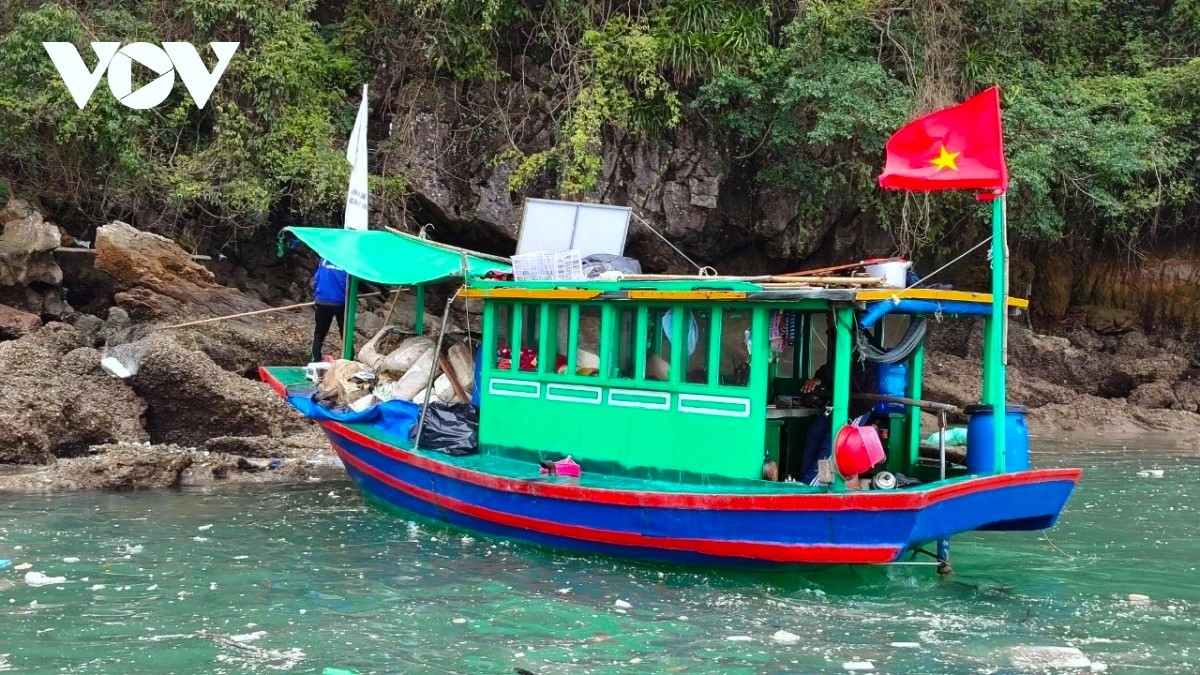
Many artists and photographers have expressed their affection for Ha Long Bay, hoping to preserve its natural beauty through their works. Photographer Do Giang, who has spent more than 30 years documenting the Ha Long Bay through photography, said: “Ha Long Bay used to be extremely clean and beautiful. I had some photo collections of coral reefs. Coral can only grow in clean water and clean ecosystem. As tourism continues to expand, the number of boats and visitors is increasing rapidly. This is a challenge for the authorities to preserve the green and clean environment.”
Many solutions have been being implemented, including enhancing waste collection, controlling tourism boat operations, and raising awareness among local communities and visitors.
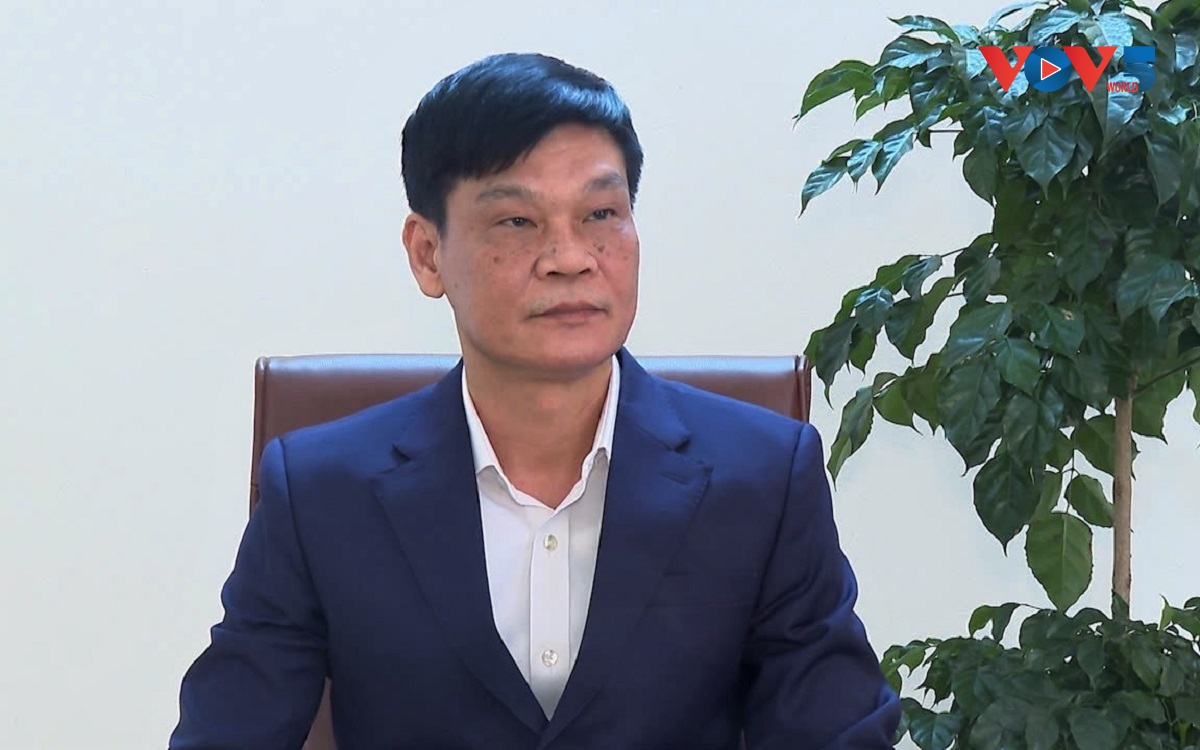
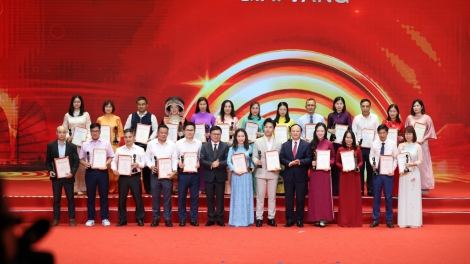
Vu Kien Cuong, Deputy Head of the Management Board of the Ha Long Bay – Yen Tu World Heritage Site, said: “Protecting the environment and ecosystem is a core requirement in managing the Ha Long Bay World Heritage site, to ensure the integrity of the heritage according to UNESCO criteria. Quang Ninh province and the Ha Long Bay – Yen Tu World Heritage Management Board are implementing many coordinated solutions, such as managing tourism boats according to environmental standards, strengthening waste collection and treatment, and monitoring water quality and ecosystems. Other programs include reducing plastic waste and raising environmental awareness among businesses, local residents, and tourists.”