







"I live in Da Nang. Since the hospital introduced electronic medical records and a health-tracking app, going for check-ups and receiving treatment have become much more convenient. The biggest change that makes me satisfied is that my health information is already stored in the system. So when I come to see the doctors, they can easily review my records. There is no need to provide the information again or re-enter data from scratch. It saves a lot of time."
The story of 61-year-old Ngo Minh Hien of Da Nang is not an isolated case. It’s a consequence of the 14th National Party Congress Resolution on “accelerating breakthroughs in science, technology, innovation, and digital transformation and placing greater importance on and investing in public healthcare”, and, particularly, of Politburo Resolution 72 on healthcare reform and strengthening preventive healthcare in the new era.

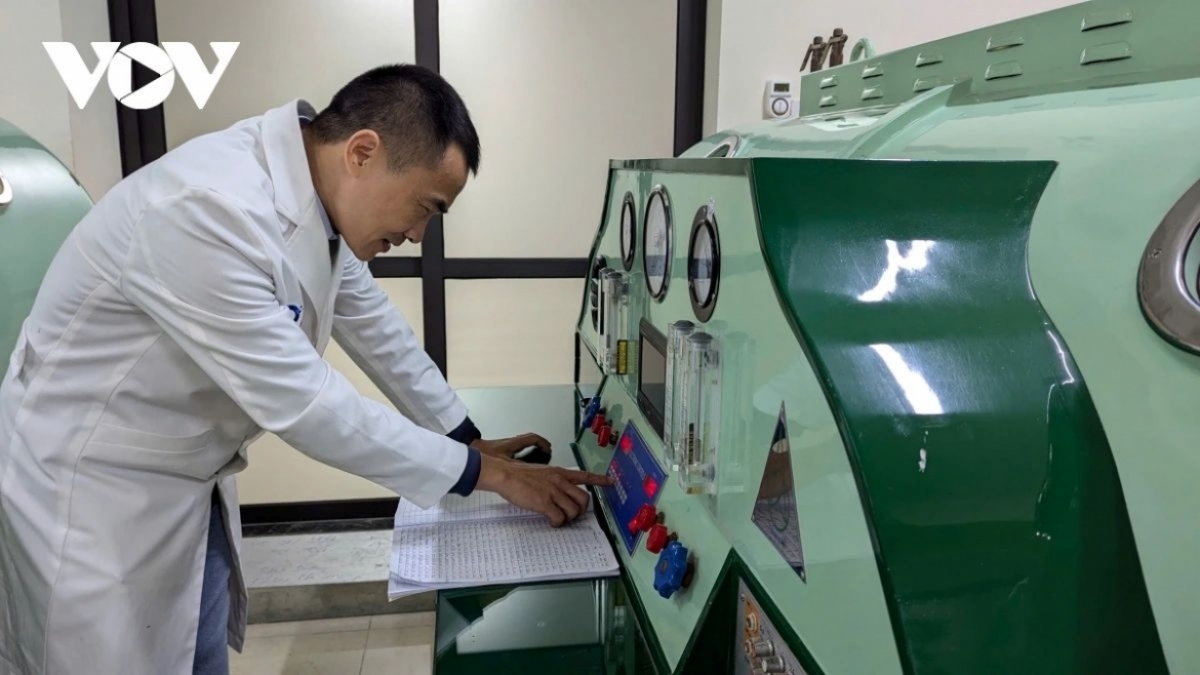
At Da Nang Hospital, one of the key medical centers responsible for providing healthcare to people in the Central and Central Highlands region. Here, bulky paper medical records are being replaced by digital technology that enables proactive health monitoring.
Behind this transformation is the leadership of the Party and State and the efforts of the health sector and foreign partners like EviBody, part of the latest digital-health cooperation between Sweden and Vietnam.
"There's a big digital transformation happening, where Vietnam is shifting from traditional care to a more preventive healthcare. And this transformation is on both a national scale and a provincial scale... Our main partner is under the Ministry of Health, so we make sure that all initiatives and all collaborations follow national strategies like Resolution 72 and others," Julia Bergevi, co-founder and COO of EviBody, said.
EviBody is a Swedish life-science and digital-health company co-operating with Vietnamese healthcare partners through the Vietnam-Sweden health alliance and innovation conferences. It is working with Vietnamese partners to build a preventive-health ecosystem that consolidates each person’s health-screening results, medical records, and lifestyle data, turns that information into personalized advice and long-term health follow-up, connects patients and healthcare professionals, and access remote medical consultations and other healthcare services when needed.
The aggregated health data will help provincial health sectors and the national health system identify health risks, evaluate preventive programs, and provide appropriate plan interventions, said Julia.
“We’re currently adapting the EviBody platform to the Vietnam context to make sure it's culturally adapted to you and your current healthcare system. And because there's a lot of transformation happening here in Vietnam, we're here to help integrate that with our systems and services and so on.”
Looking at today’s modern technological applications and reflecting on more than half a century of ties between Vietnam and Sweden, how did a relationship that began with humanitarian aid amid the flames of war turn into a broad, strategic, equal partnership in science and technology?
That is the spirit of the 14th National Party Congress Resolution which calls for “the synchronous and creative implementation of diplomatic activities and extensive, comprehensive and effective international integration”, and Resolution 72 on protecting, caring for, and improving people’s health, a place where Vietnam’s aspiration for self-reliance and self-strengthening meets the world’s modern knowledge.
DIGITAL ASPIRATIONS AND PREVENTIVE HEALTHCARE
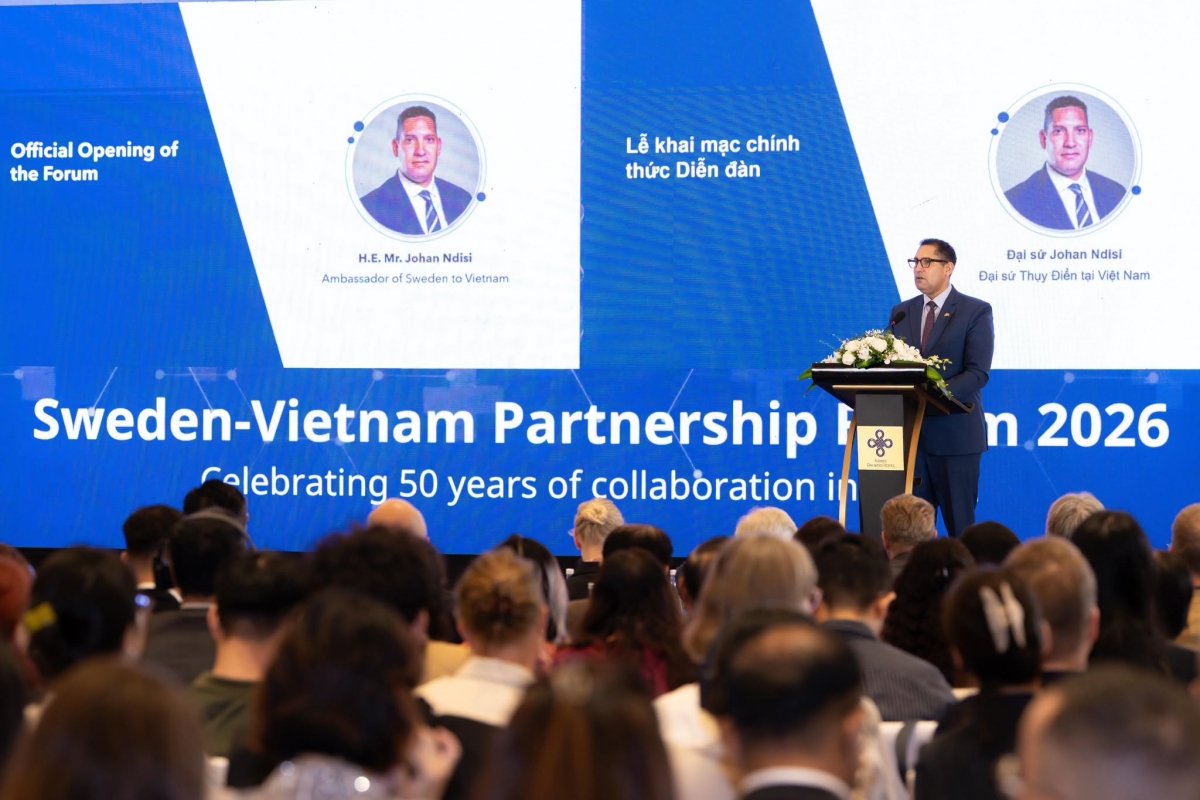
Resolution 72 identifies preventive and grassroots healthcare as the foundation. Digital transformation and electronic medical records are breakthroughs in protecting people’s health early and from afar. Sweden, ranked second in the world for innovation, has found a strong point of convergence with Vietnam in developing digital healthcare, said Sweden’s Ambassador to Vietnam, Johan Ndisi.
"I know that in the Vietnamese healthcare system a lot is happening, there's a lot of ambition, a lot is happening on the ground... One good example is, of course, digitalization and what that means... In Sweden, if you go to a doctor and you then need a prescription, 99% of prescriptions are digital... Here, we are blessed because in Vietnam we have Ericsson, because they provide a safe and trusted network which will be the backbone for the digitalization of the whole healthcare sector," said Ambassador Ndisi.
Healthcare digitalization is about more than telecommunications infrastructure and equipment, it’s also about data and policy governance. Dr. Nguyen Thi Thanh Huong, a lecturer in the Department of Physiology at Hanoi Medical University who previously did doctoral research at Sweden’s Karolinska Institutet, is deeply impressed by Sweden’s digital data system:
"They have already digitalized their system. Electronic medical records and data on the entire Swedish population are all in place. I think Vietnam’s digital transformation process is now beginning to catch up with that. This is an area where we can surely cooperate and work with them. If we can build a system that fully digitalizes data the same way Sweden has, it will save us a tremendous amount of money in conducting research and developing policies," she said.
Saving costs, improving treatment efficiency, and making healthcare as convenient as possible – that’s ultimately what the Party’s Resolutions aim to achieve.
But before reaching today’s breakthroughs in technology and digital transformation, Vietnam’s healthcare sector went through difficult years, when every penicillin tablet and every bicycle used to support village healthcare carried the imprint of the Vietnam-Sweden friendship.
LOOKING BACK – 50 YEARS OF LAYING THE FOUNDATIONS FOR COMMUNITY HEALTHCARE
In 1969, Sweden became the first Western European country to establish diplomatic relations with Vietnam, at the height of the US’s bombing campaign against North Vietnam. From its initial emergency aid packages, Sweden went on to help Vietnam build two iconic healthcare facilities – Vietnam-Sweden Uong Bi Hospital in Quang Ninh and the Vietnam National Children’s Hospital in Hanoi.
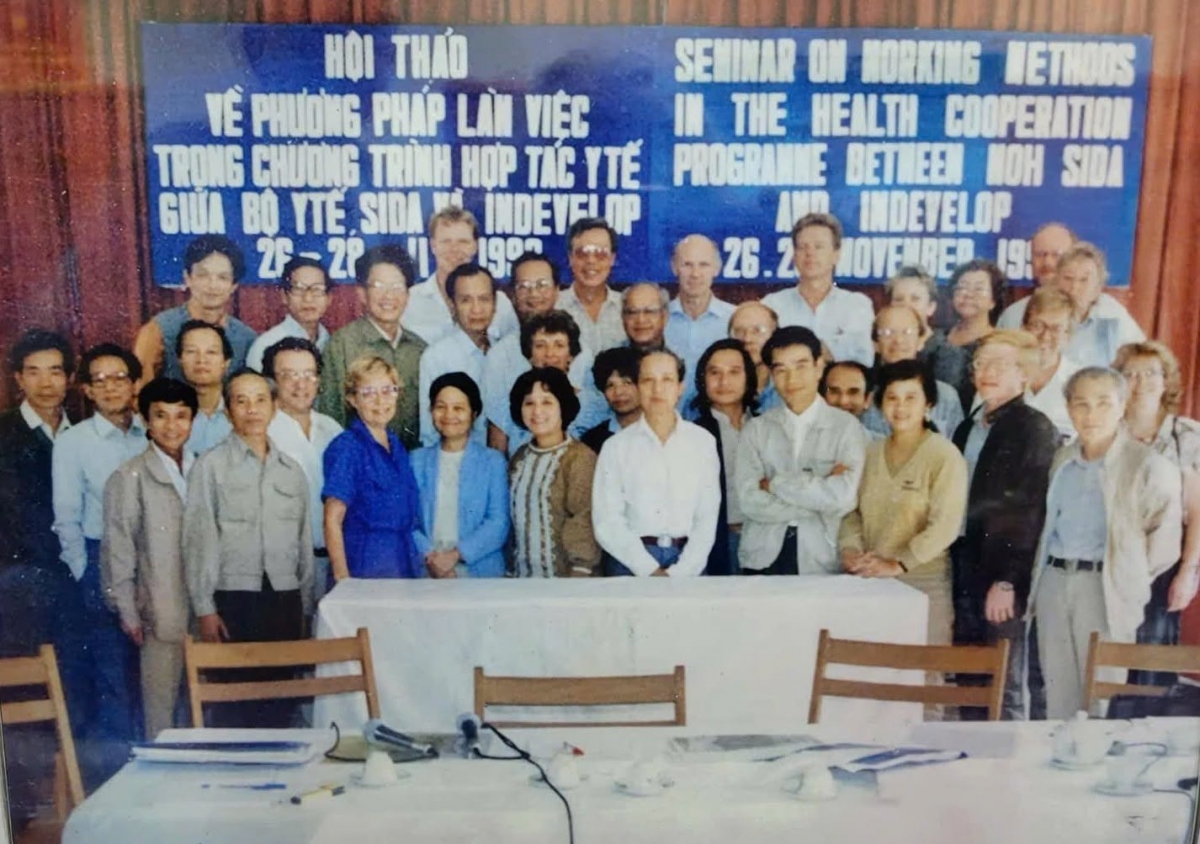
In 1982, when Vietnam was facing enormous post-war difficulties and an international embargo, 26-year-old Swede Anders Öhrström arrived at Vietnam-Sweden Uong Bi Hospital as a procurement officer for the Swedish International Development Cooperation Agency (SIDA).
Anders and his Swedish colleagues trained Vietnamese staff to take ownership of a modern healthcare system, a strategy Sweden called “capacity building”.
"Vietnam was extremely poor after the war, so it took time to build this up. It was a big logistical challenge to import all these different spare parts, items, and consumables — from X-ray machines to laboratories, everything... Everyone was shouting ‘Lien Xo, Lien Xo’ on the street, and we were saying ‘Thuy Dien, Thuy Dien, no Russians!’ So that was special for us," Anders recalled.
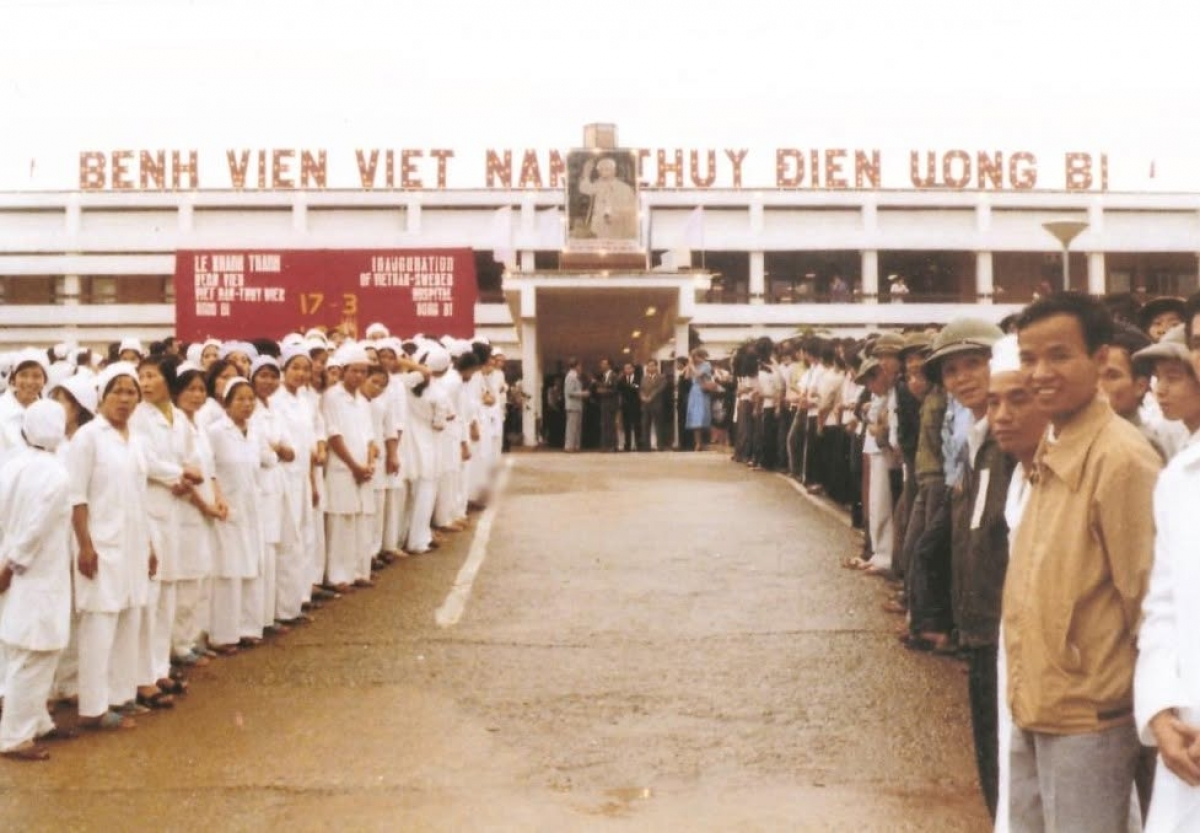
The Swedish presence brought more than modern medical equipment and facilities with a car ramp leading directly to the fifth floor of Uong Bi Hospital. More importantly, it provided life-saving medicines that helped millions of children during the years of the embargo.
"In the early 1980s, I worked at Uông Bí Power Plant and found that the equipment at Vietnam–Sweden Uông Bí Hospital was incredibly advanced for that period. I was one of the first patients there. There were many pieces of modern equipment and medical techniques other hospitals in Vietnam didn’t have at that time. In the emergency department, for example, I saw a ramp that allowed cars to drive all the way up to the fifth floor. In my view, it was extremely advanced at the time," Uong Bi resident Tran Minh Cuong recalled.
Dr. Hoang Thi Hiep, former Director of the Vietnam-Sweden Health Cooperation Program, told VOV, "At that time, Sweden defied the embargo to provide aid to Vietnam. In the 1960s and 1970s, the two diseases with the highest mortality rate among children under five in Vietnam were pneumonia and diarrhea. Ampicillin supplied by Sweden made treatment much easier. The medicine was precious, and every pill had to be carefully rationed.”
“Thanks to this support, Vietnam rose to become a world leader in reducing the incidence and mortality of pneumonia and diarrhea among children," Dr. Hiep said.
Echoing Dr. Hiep’s memories, specialist level II pharmacist Nguyen Phuong Cham, former secretary of the “Rational and Safe Use of Medicines” project under the Vietnam-Sweden healthcare cooperation program, recalled years of fighting malnutrition and pneumonia among young children.
"In the 1970s, Sweden provided a great deal of penicillin to Vietnam. It was extremely valuable support during hard times. There was also the so-called PAM, a World Food Program initiative, rolled out in all provinces. Nutrition factories were built, such as the one in Nam Dinh, to produce powdered milk and distribute cooking oil and special fish powder. Malnourished children and pregnant women all benefited from the program."
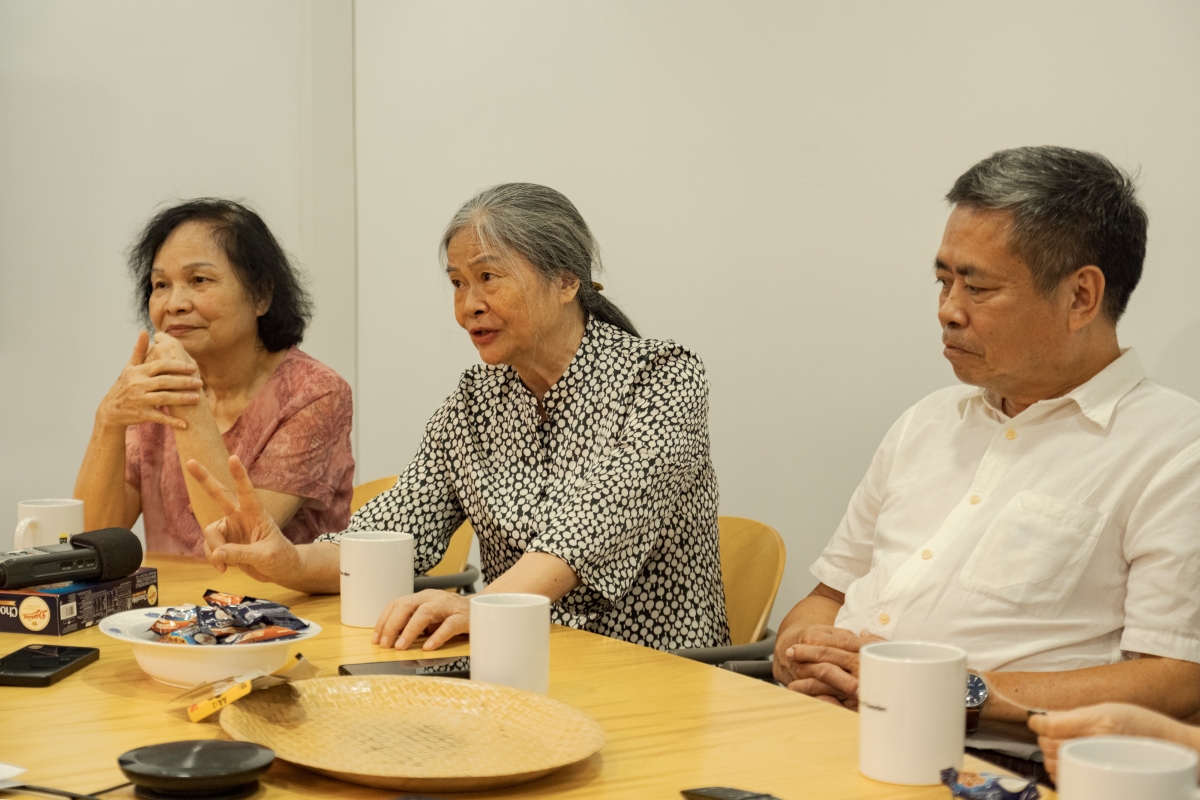
Sweden and Vietnam did not focus just on central hospitals. They were ahead of their time in laying the foundations for grassroots and community healthcare — principles that were later institutionalized in Resolution 72. The Support for Disadvantaged Areas (SDA) project, carried out by Sweden and the Ministry of Health starting in the 1990s, brought bicycles, clean delivery kits, water tanks, and septic toilets to remote villages in Ha Giang and Quang Nam provinces.
To understand how this grassroots healthcare model took root in the poorest villages, let’s hear from Nguyen Xuan Son, former secretary of the SDA project, who traveled hundreds of mountain roads with Swedish experts. What has stayed with Son most is the Swedish philosophy of putting people at the center.
"Remote and disadvantaged areas are a priority for the Vietnamese Government, and Sweden has tailored its support to meet Vietnam’s actual needs. The terrain was treacherous and health stations were far apart. Sweden provided horses and bicycles for village health workers to get around on. They equipped commune health stations with breast-examination kits, delivery tables, and basic medicines," Son recalled.
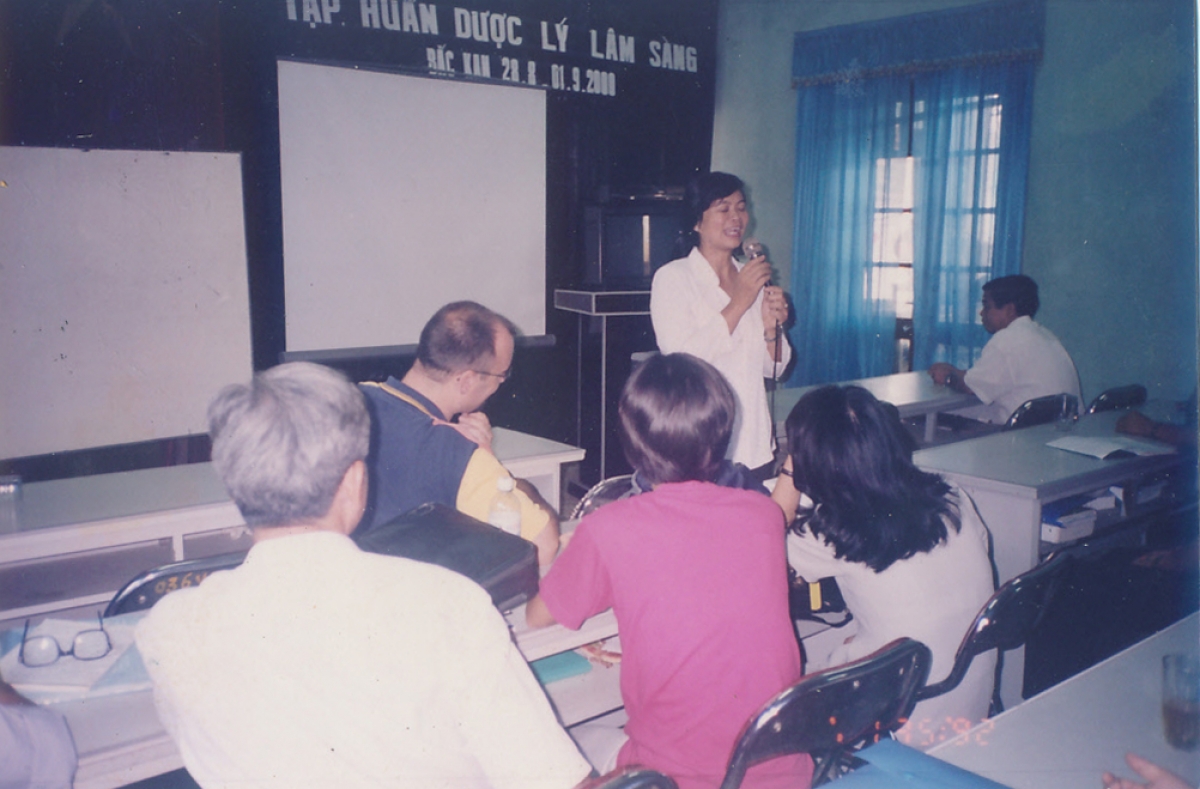
Specialist level II pharmacist Cham said, "Once I attended a training course in Yên Bái… During the break, a female pharmacist held my hands. Swedish experts were standing there too, and the woman cried. She told me that she had graduated more than 15 years ago, and this was the first time she had come back to update her knowledge. She was very emotional and said her hands were calloused because, to supplement her meager salary, she had to work in the fields."
The tears of the pharmacist from Mu Cang Chai that Ms. Cham met that day are a testament to the profound effect Party policies and the support of international friends have had on individual people, the vitality of community healthcare can multiply.
FROM RECEIVING AID TO MASTERING SCIENCE AND DRIVING INNOVATION

The 14th National Party Congress Resolution calls for intensifying consistent and creative foreign affairs and deep, comprehensive and effective international integration. The Party and State also push for a foundational strategic shift in Vietnam's posture on cooperation frameworks from “receiving, joining, and participating” to “proactively contributing, co-creating, building, and shaping”. Vietnam is ready to shoulder responsibility and make responsible contributions to the international community. The 50-year Vietnam-Sweden healthcare journey is a model example of this transformation.
60 Vietnamese doctors have successfully defended their PhD thesis at Sweden’s Karolinska Institutet, one of the world’s leading centers for medical education and research and the institution responsible for selecting the annual Nobel Prize laureate in Physiology or Medicine.
"In 1969, when I was born in Sweden... the under-five mortality rate was 14 per 1,000, in the US 24, and in Vietnam 84... And today... Vietnam’s rate has decreased to 18 deaths per 1,000 children born... Urban Vietnam, which is Hanoi, Saigon, Danang... actually have a lower under-five mortality and infant mortality rate than some states in the US…,” said Pediatrician Dr. Mattias Larsson.
“The Vietnamese healthcare system has really developed a lot compared to when I first came here," said Larsson, an Associate Professor at the Karolinska Institutet and Honorary Professor at the Hanoi Medical University, who has more than 20 years of experience in infectious diseases in both Sweden and Vietnam.
After returning home, Vietnamese scientists have used the knowledge they gained abroad to solve problems facing Vietnam, saving the State millions of dollars.
Dr. Thanh Huong underlined the importance of developing the reference values for osteoporosis for Vietnamese people – a direct outcome of the SIDA scholarship program of SAREC, the Swedish Agency for Research Cooperation with Developing Countries.
"Establishing reference values for the Vietnamese population gave us a reliable standard for diagnosis. If we had used Caucasian reference values, the rate of misdiagnosis would be 10 to 15%. If you put a monetary value on it, it would amount to hundreds of millions of dollars. That was an enormous contribution from Sweden. That was an enormous contribution from Sweden," said Dr. Huong.
After the State introduced policies to remove institutional barriers in science management and unleash creative potential, Dr. Huong founded the Dinh Tien Hoang Institute of Medicine, taking the initiative in developing core technologies for treating difficult diseases.
"My core technologies were all researched and developed at the Đinh Tiên Hoàng Institute of Medicine. And that’s why I was able to take advantage of Resolution 57. I have to say, the government has been doing an amazing job by introducing policies that really remove the barriers and give scientists the freedom they need to do their work,” said Dr. Huong.
ASPIRATION TO RISE – CONNECTING TO THE FUTURE
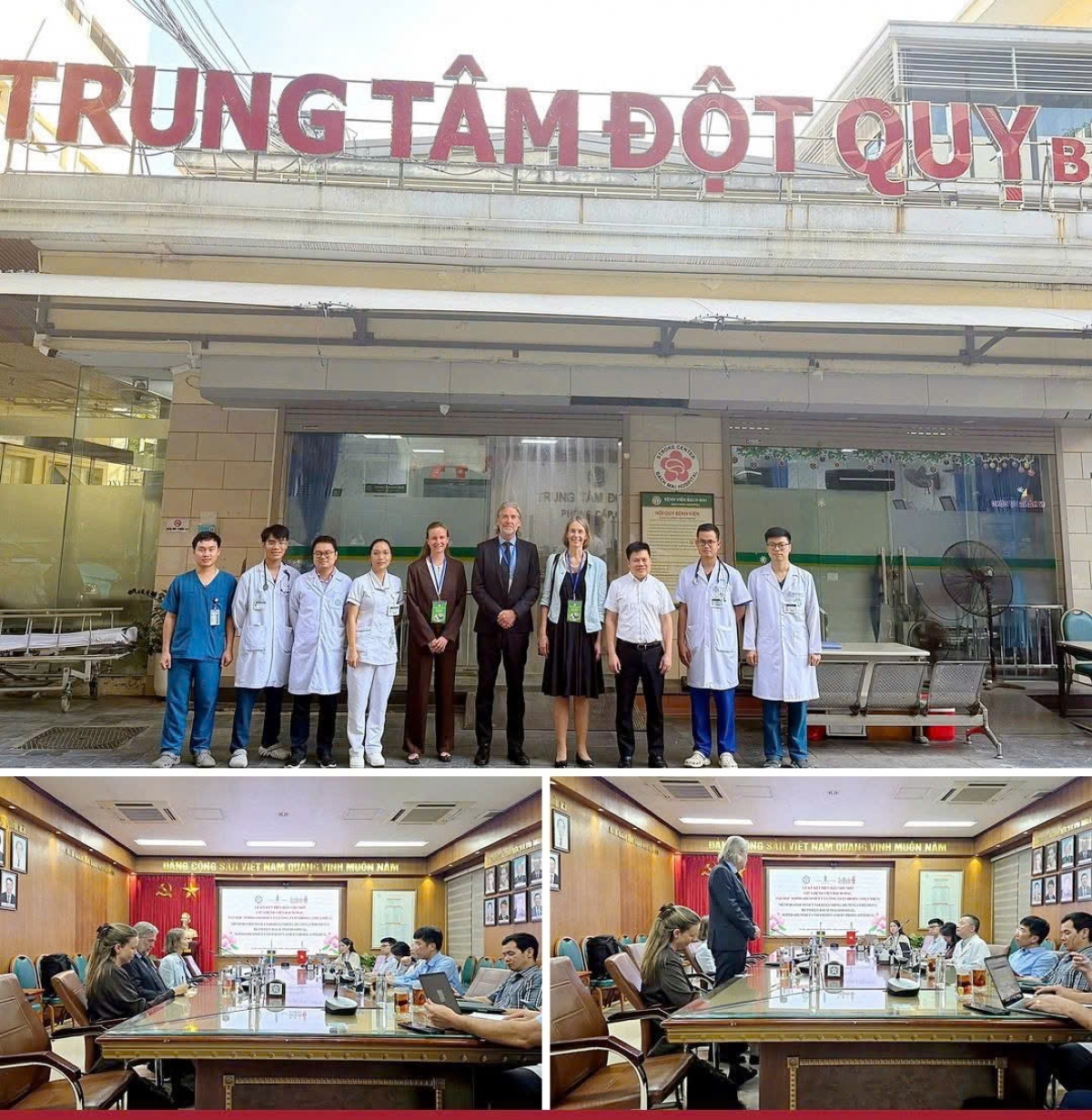
Looking back over 50 years, Vietnam-Sweden healthcare cooperation has no longer a story of donor and recipient but become a story of international integration in line with the 14th National Party Congress Resolution, offering more opportunities for businesses and research institutions from both countries to work together to address global challenges, from chronic diseases and population ageing to antimicrobial resistance.
"If we follow the priorities already outlined by the Vietnamese government under Resolution 72, I think we have the solution and the answer... I want to emphasize the fact that we want to be long-term. This is not a one-time shot. We have done this for 50 years, collaborating on healthcare with Vietnam. We want to continue for at least 150 years more," Marcus Persson, Trade Commissioner of Sweden to Vietnam, said.
Swedish Ambassador Johan Ndisi shared the opinions on a long-term vision of bilateral cooperation in this field, "The healthcare cooperation that we've had has lasted more than five decades... Actually, what's driving it forward is the people-to-people connections that have been made... I think the human people-to-people aspect is really the foundation that will move forward."
From bicycles supporting village healthcare to the digital applications that help people monitor their health today, the 50-year Vietnam-Sweden healthcare journey is a powerful testament to Vietnam’s aspiration to rise, to be self-reliant and resilient, to integrate internationally, and to make people’s well-being the highest measure of success.
Here is Ngo Minh Hien of Da Nang again, "This new healthcare model has helped us save a great deal of time. The process is fast and accurate and saves quite a lot of money, since all the information retains its validity. I support this new medical examination and treatment model."
More than five decades have passed since Vietnam and Sweden began cooperating in healthcare. Much has changed since those early days. From hospitals built in difficult times to new partnerships in research, technology and innovation, the two countries are now working side by side as equal partners to find new solutions to tomorrow’s health challenges. Perhaps that is the most enduring legacy of more than 50 years of cooperation: a friendship that has saved lives, changed lives and continues to look to the future — together.




