




The 2024 Land Law enforcement has revealed problems concerning land valuation, land acquisition, compensation, resettlement, and investment projectprocedures. Land legislation is closely linked to regulations governing planning, investment, construction, housing, and the real estate business. Inconsistencies between these laws can delay projects, increase business costs, and directly affect citizens’ rights and interests.
Policy alignment to protect people’s rights
Revisions to the Land Law need to be aligned with a comprehensive review and refinement of related legislation to ensure consistency of principles and implementation mechanisms. Land valuation is a key issue, because land prices directly affect land users’ financial obligations, investment costs, state budget revenue, and compensation when the State acquires land.
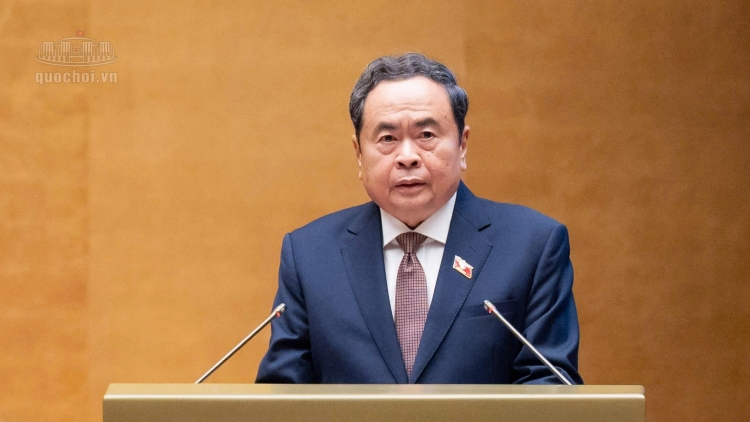
At Thursday session, National Assembly President Tran Thanh Man stressed the need to balance the interests of the State, land users, and investors and establish a more transparent land valuation system based on reliable data and appropriate methods.

Mr. Man said: "We need to add a principle of balancing the interests of the State, land users, and investors, with clear coefficients for adjusting the value of standard land plots in different areas. Land price tables should follow a five-year cycle, or a more flexible mechanism should be introduced, with adjustments made within the cycle when major fluctuations occur. Inspection must be independent, and valuation methods and input data must be made public."
"The application of land price tables and adjustment coefficients for compensation, land-use fees, and land rents must be clarified. An interconnected national land price database with real-time updates must be developed to ease the burden on businesses and the public," added Mr. Man.
While policy consistency is essential for smooth implementation, protecting people’s rights must be a guiding principle throughout the process. Simplifying administrative procedures, decentralizing authority,and improving transparency in land management are also important.
National Assembly deputy Nguyen Dinh Xuan of Tay Ninh province, said: "First, land-related administrative procedures need to be simplified. Second, authority should be appropriately decentralized. Third, greater transparency is needed. We could also consider reducing the number of land classifications, particularly within the same group, such as annual crops, perennial crops, and other agricultural land of comparable value. This would make land management more efficient."
Improved implementation and strengthened public trust
Even a well-designed policy can fall short without clear implementation guidelines, effective coordination among agencies, and clearly defined responsibilities for authorities at all levels. Alongside legislative improvements, it is essential to ensure the necessary conditions for implementation, strengthen inspection and oversight, and promptly address emerging problems.
In particular, public disclosure of information on land-use planning, land prices, compensation plans, and resettlement arrangements must be accompanied by effective mechanisms for receiving and resolving public complaints and petitions. When land-related decisions are clearly explained, consistently implemented and subject to accountability, public trust and consensus are strengthened.
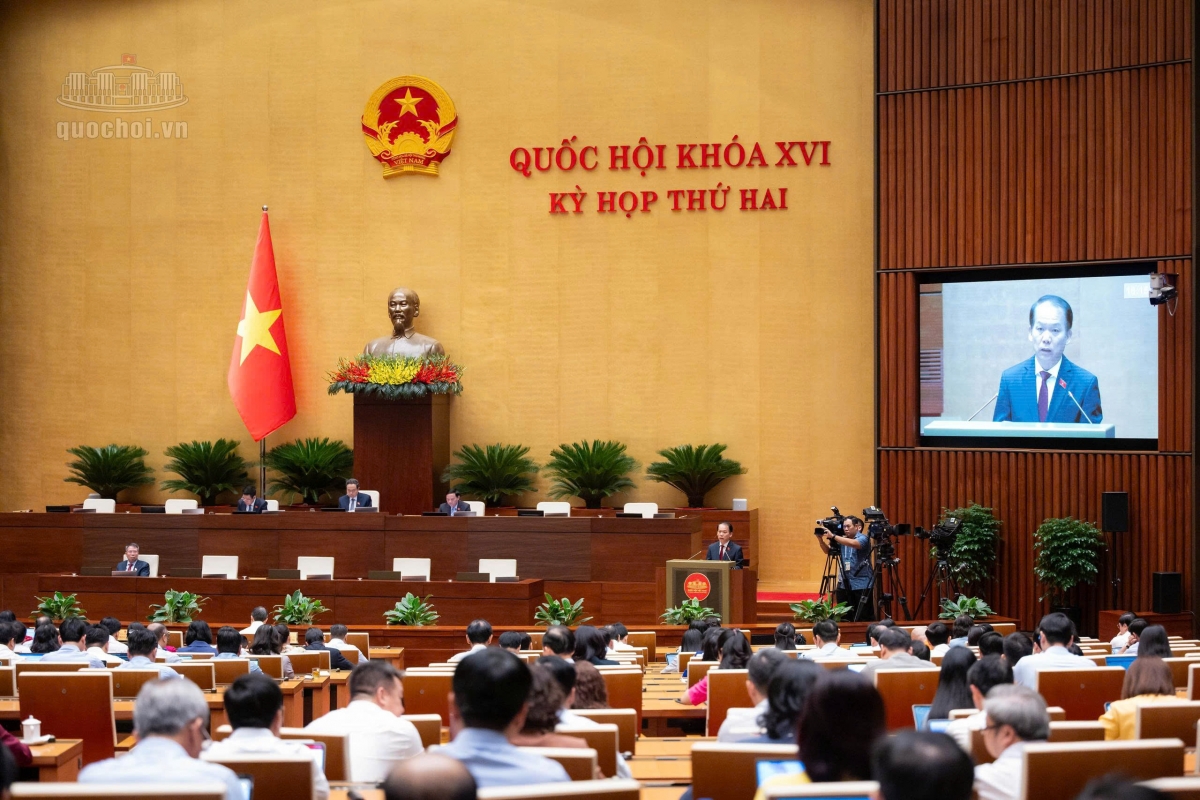
National Assembly President Man said: "The Land Law must be done carefully and rigorously. Finalizing the law for passage at this session must be a priority, because it affects the economy and people’s lives."
Amending the Land Law is essential to unlock resources for development and improve the effectiveness of state management. Policy coordination is essential to removing bottlenecks, and safeguarding people’s rights is the foundation of public consensus. Achieving both will ensure that land resources are used more effectively, balance the interests of the State, the public, and businesses, and contribute to sustainable socio-economic development.