



In the early 20th century, Vietnam’s aspiration for national independence was strong, but the path to national liberation was unresolved. The establishment of the Communist Party of Vietnam on February 3, 1930, marked a turning point.
Core values
From a newly established organization operating under severe repression, the Communist Party of Vietnam gradually built its organization and expanded its forces. This process was led by Nguyễn Ái Quốc, who later become President Hồ Chí Minh. He had spent years preparing the political, ideological, and organizational foundations for the establishment of a revolutionary political party in Vietnam.
Dr. Nguyen Van Dang of the Ho Chi Minh National Academy of Politics said: “Looking back at 100 years of the Party’s leadership of Vietnam’s revolutionary movements and national development during the renewal period, the role of President Hồ Chí Minh and the Party has been irreplaceable. The Party’s role has been closely linked to the interests of the nation, from national independence and reunification to the renewal of Vietnam as a sovereign country with a voice in the international arena. These have been the Party’s consistent objectives guiding Vietnam’s revolutionary struggle, national reunification, and development over nearly a century.”
Throughout this process, the connection between the goal of national independence and the socialist orientation and between revolutionary policies and the mobilization of the people’s strength has stood out.
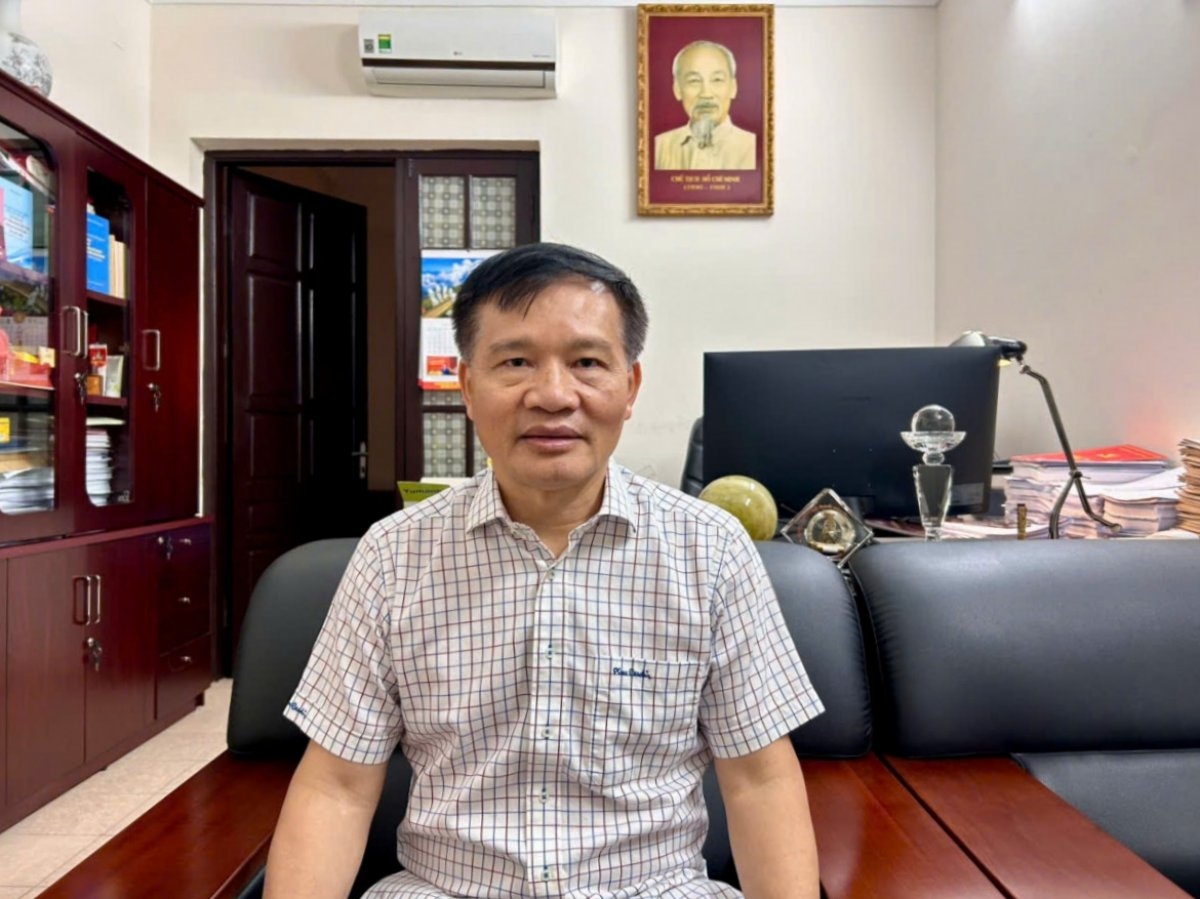
Bui Van Thach, Standing Vice Secretary General of the Central Council for Theoretical Studies, said: "The achievements made under the Party’s 100 years of leadership of the revolution represent a historic feat. The Party has led Vietnam from a semi-feudal colonial country to a modern and beautiful nation with a upper-middle-income economy. It can be described as a historic transformation, which brought the Vietnamese people from living under colonial rule to being citizens of a developing country, enjoying increasingly prosperous and happy lives."
Amiad Horowitz, a member of the Communist Party USA, said: "The economic growth helps create the political stability, which also gives the opportunity for international integration. Three aspects go hand in hand and the party as the leading force in the country plays the guiding role in making sure that all three of those aspects are met, that all three happen at a level that they continue to contribute to one another and allow the all three to happen at a relatively steady rate."
Identifying new challenges for national development
The Communist Party of Vietnam has learned lessons that have become valuable guidance for Vietnam’s revolution in the new stage of development. One is the lesson of steadfast pursuit of national independence in association with socialism, a consistent guiding principle for national development. All of the Party’s policies and decisions are aimed at safeguarding the people’s legitimate rights and interests and promoting their role as the masters of national development and decision-making processes.
As Vietnam enters a new stage of development, its 100-year vision calls for coordinated progress in strategic pillars of building a socialist rule-of-law state that is modern, streamlined, effective, and efficient; removing institutional and other barriers to unlock resources for development; accelerating digital and green transformation and the application of artificial intelligence and other foundational technologies; and making the most of Vietnam’s human resources.
Professor Vu Minh Giang, former Vice President of Vietnam National University, Hanoi, said: “To achieve such an ambitious goal, all aspects of the Party’s organizational and leadership capacity must be strengthened. First, it’s important to remain steadfast and creative in pursuing political orientation. The reform process needs to be more vigorous. Every Party member must embrace the aspiration to build a strong and prosperous nation and make that aspiration a guiding purpose in life.”
The near-century-long leadership of the Communist Party of Vietnam has involved turning points, achievements, challenges, and lessons accumulated through practice. Reviewing that journey will help identify emerging issues and shape new development drivers as Vietnam enters its next stage of national development.