



While Resolution 36 laid a foundation for strengthening national unity, supporting overseas Vietnamese, and creating conditions for them to maintain close ties with their homeland, Resolution 23 takes it a step further. It calls for stronger engagement and mobilizes the community’s resources, creating greater opportunities for overseas Vietnamese to engage in national development.
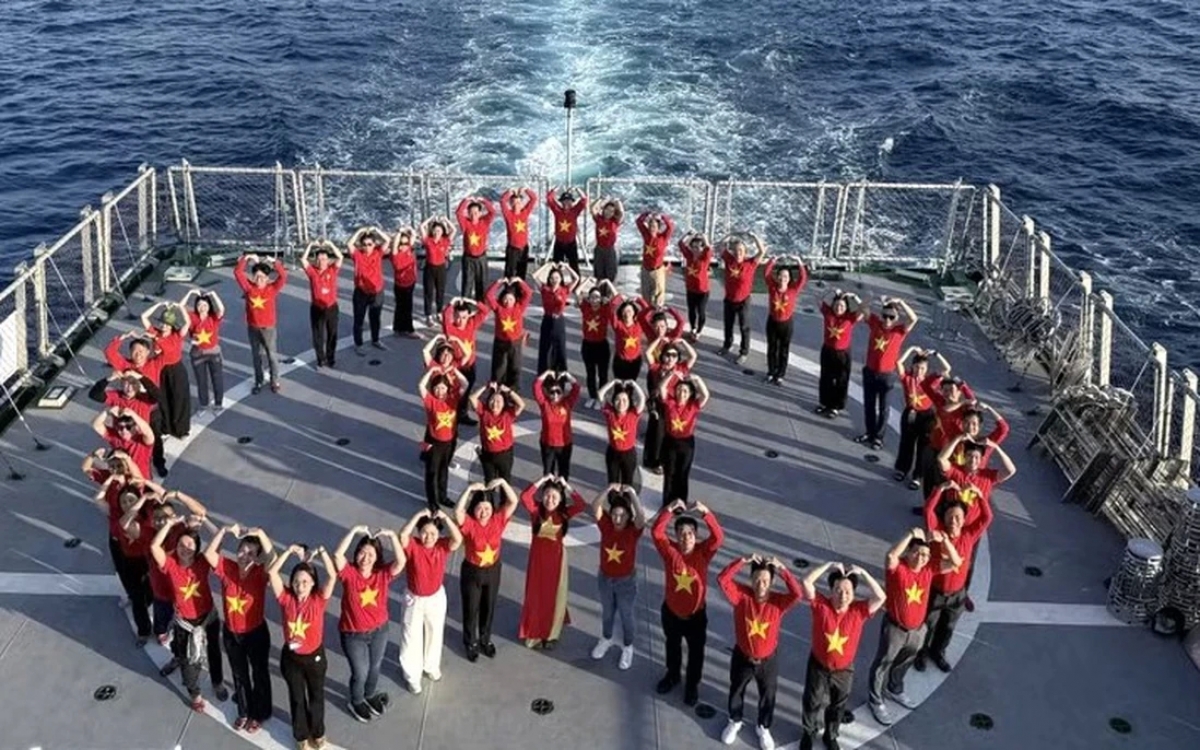
With more than 6.5 million people living in 130 countries and territories, 80% of them in developed countries, the overseas Vietnamese community is getting stronger in knowledge, technology, business, finance, and international networks, and has become an important resource for Vietnam’s integration with the world.
A strategic resource
Two decades of implementing Resolution 36 have given overseas Vietnamese stronger ties with their homeland. The remittances, investment, knowledge, and cultural resources that have been channeled back to the homeland, which has laid the groundwork for a new approach to overseas Vietnamese affairs.
Building on the spirit of Resolution 36, Resolution 23 progresses from engagement, mobilization and support to partnership, empowerment, and resource mobilization. Overseas Vietnamese are viewed as an inseparable part of the Vietnamese nation, a strategic resource, and a bridge connecting Vietnam with the world, and are expected to play an increasingly active role in national development.
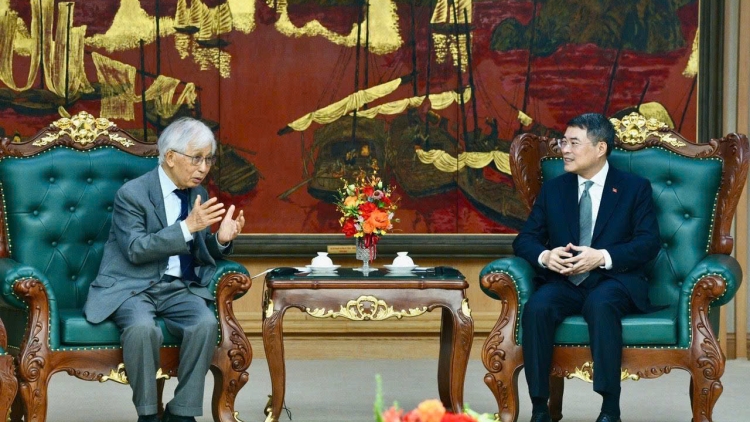
Deputy Foreign Minister Le Thi Thu Hang said: “Resolution 23 sets out overarching approach of elevating the mindset from mobilization, rallying, and care to partnership and facilitation. It calls for mechanisms to mobilize overseas Vietnamese to engage more deeply in national development in the new era."
"There should be incentives and a transparent and competitive work environment that empowers and ensures conditions for overseas Vietnamese to make long-term, flexible contributions. We must also honor and make effective use of projects created by overseas Vietnamese, particularly in science, technology, and innovation,” said Ms. Hang.
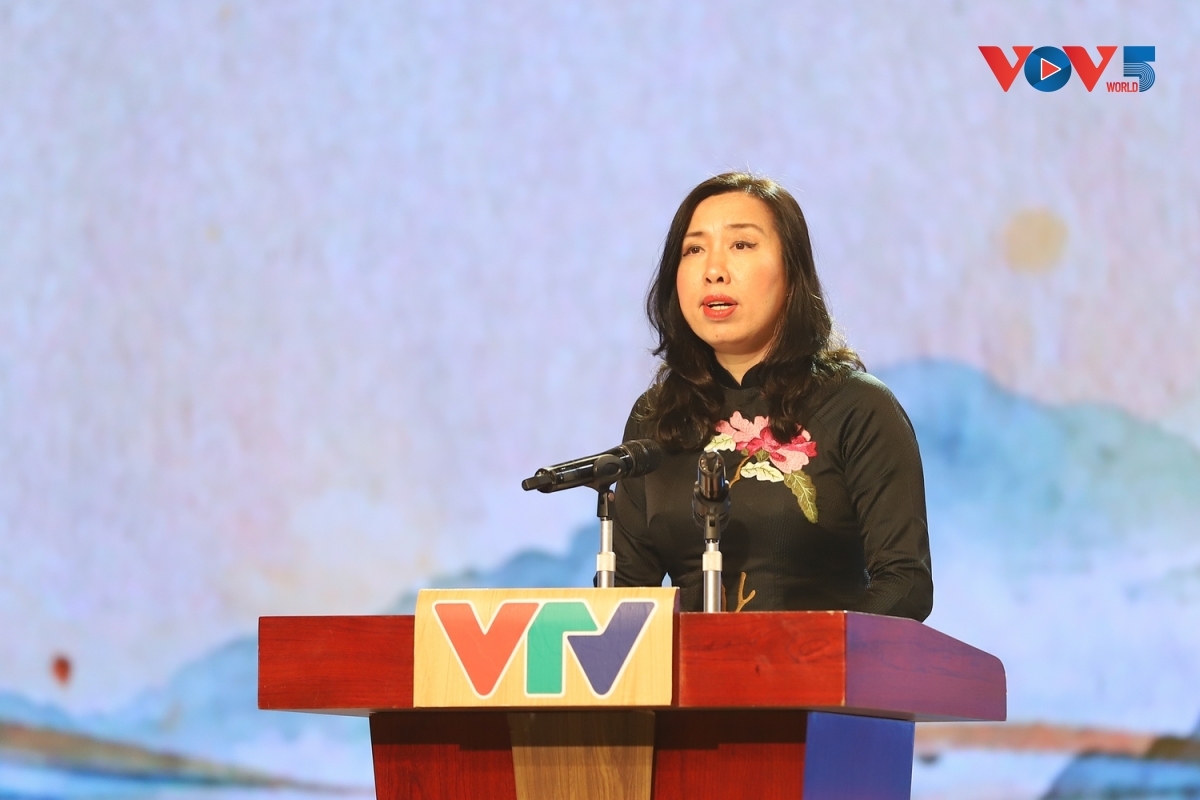
With this new perspective, the resources of overseas Vietnamese are not external to Vietnam’s development, they form part of Vietnam’s internal strength. So policies should not just aim to attract resources, they should create an environment that empowers people and respects their differences, that allows each individual to make the best use of their expertise and strengths.
Resolution 23 emphasizes mechanisms to harness the contributions of experts, intellectuals, scientists, entrepreneurs, artists, and young people.
Implementing the Party guidelines, Vietnamese diplomatic missions abroad are taking a more proactive role in connecting with, listening to, and working alongside overseas Vietnamese.
Vietnamese Ambassador to Singapore Tran Phuoc Anh said: “The Embassy considers connecting people through science and technology diplomacy one of our top priorities. We work with Vietnamese intellectuals in Singapore through the Vietnamese community liaison network, as well as through science and technology networks and leading experts. Many prominent Vietnamese experts are working in quantum technology, AI, semiconductors, blockchain, and advanced materials. The Embassy encourages them to serve as a bridge to generate concrete results.”
Joining hands for national development
Singapore’s story shows that expanding opportunities for overseas Vietnamese to contribute to national development means developing new ways of networking.
Deputy Foreign Minister Hang said: “I believe overseas Vietnamese will have opportunities to make better, more effective, more substantive contributions to the Fatherland’s construction, development and defense. The overseas Vietnamese community is growing rapidly in size and strength, with more than 6.5 million people in 130 countries and territories. In many countries, they hold important positions in politics, economics, culture, and sports. I believe this community of intellectuals and experts will make significant contributions to Vietnam and its goal of becoming a developed, prosperous and powerful nation by 2045.”
Resolution 23 also highlights the role of overseas Vietnamese as ambassadors for Vietnam, its people, and its values in their resident country. This represents a shift in mindset about soft power as culture is viewed as a resource for promoting Vietnam’s image, expanding international connections, and strengthening Vietnam’s global position.
This implies a new relationship between Vietnam and its overseas community—one based on trust, openness, and opportunities for overseas Vietnamese to take part in national development.