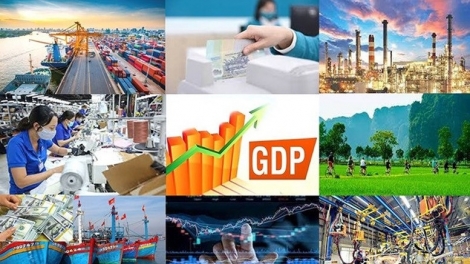




The main solutions to 10% and higher growth are stronger disbursement of public investment, mobilization of private investment, competitiveness of domestic enterprises, and exports.
Unlocking growth drivers
Accelerating public investment disbursement is a key to stimulating aggregate demand. The Government has instructed ministries, sectors, and all 34 provinces and centrally governed cities to eliminate small, fragmented projects and instead concentrate financial resources and administrative efforts on major national infrastructure projects capable of generating long-term economic spillover effects.
The Government urges fast-tracking national transport, infrastructure, railway, expressway, aviation, energy, agriculture, and digital infrastructure projects, and national target programs and ensuring construction quality. The Government will pilot a monthly performance-based evaluation system for public investment disbursement before implementing it nationwide in October. This will serve as a basis for allocating future public investment capital.
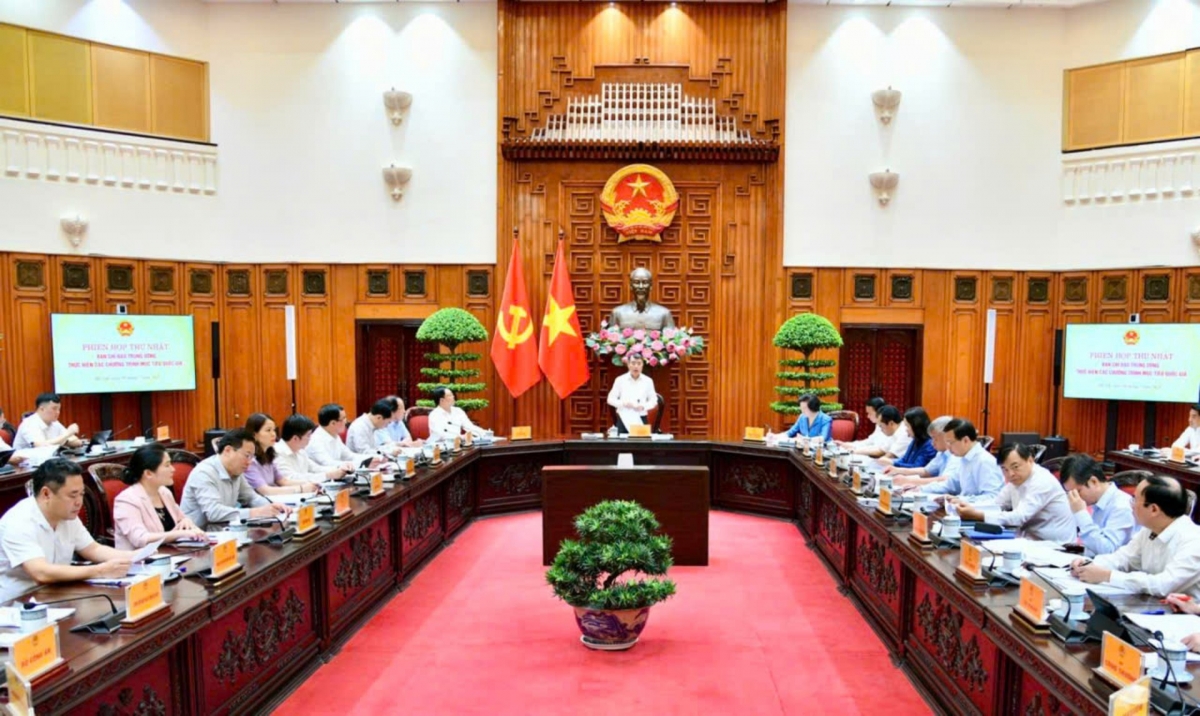
At the inaugural meeting of the Central Steering Committee for National Target Programs on Thursday, Prime Minister Le Minh Hung said: "The four national target programs must be coordinated to create stronger development momentum, particularly in disadvantaged, mountain, rural, and ethnic minority areas. Resources must be allocated and used for the right purposes, beneficiaries, priorities, and projects, avoiding duplication and fragmentation."
"We must prevent waste, losses, and corruption, and strive to achieve a 100% disbursement rate of central budget funds allocated for 2026, including 17 trillion VND (646 million USD) extended from the 2021–2025 period. This will be an important criterion for evaluating ministries, sectors, and localities in public investment disbursement," stressed the Prime Minister.
Vietnam recorded a trade deficit during the first six months, largely because businesses increased imports of raw materials, components, machinery, and equipment for projects scheduled to begin production later this year. This should translate into stronger manufacturing output and export growth in the months ahead.
The Government has instructed the Ministry of Industry and Trade to diversify export markets, products, and supply chains and make better use of opportunities provided by key export markets and existing free trade agreements. The Ministry is also tasked with negotiating new FTAs, strengthening the domestic market through the campaign "Vietnamese People Prioritize Vietnamese Goods", and establishing an early-warning mechanism to help businesses address trade remedy cases, comply with rules of origin, meet green standards, and prevent origin fraud.
Deputy Prime Minister Pham Gia Tuc gave instructions: "The Ministry of Industry and Trade needs to prioritize developing production. Stable production will lead to export growth. The Ministry should develop sector-specific strategies to strengthen Vietnam's export capacity and make exports more self-reliant."
Growth is a shared responsibility
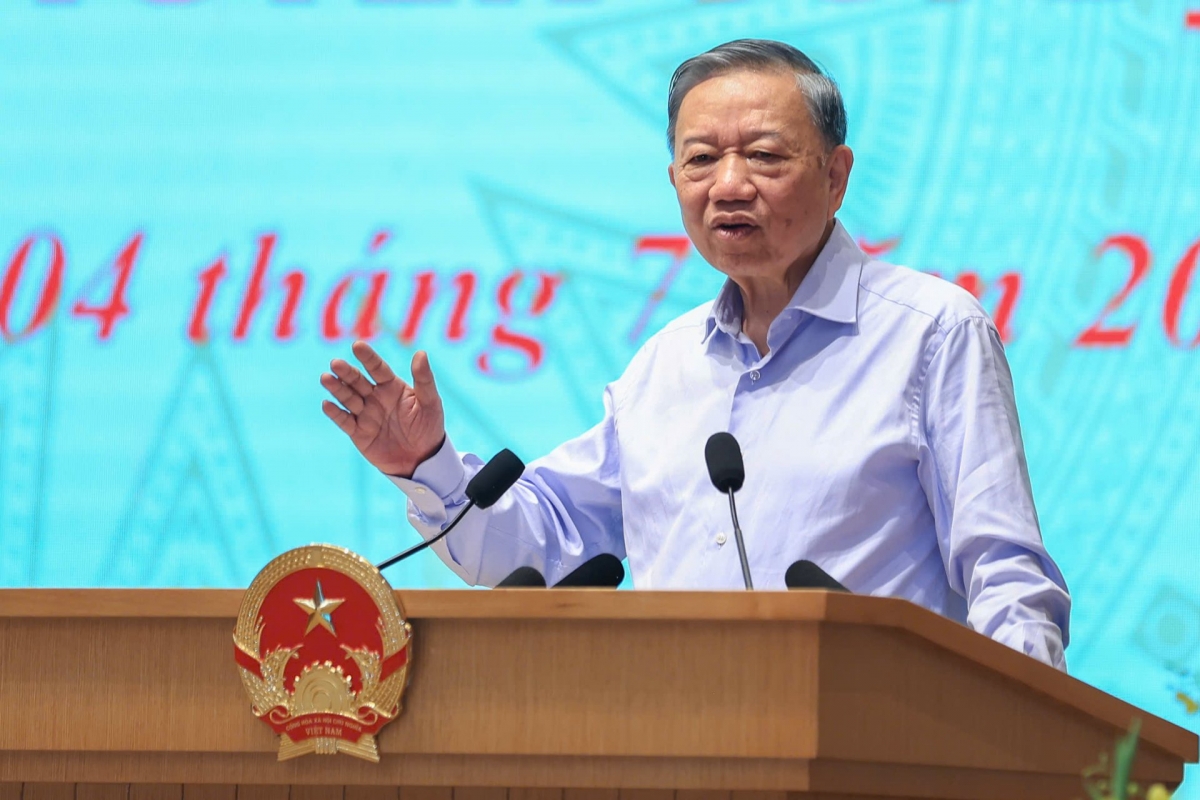
At the Government's regular June meeting and national conference with local authorities last Saturday, Party General Secretary and State President To Lam said: "Economic growth is a shared responsibility, but it must also be tied to the personal accountability of each minister, agency head, local Party secretary and local government chairperson. At the same time, we must encourage officials to act for the common good, strengthen discipline, and combat corruption, wastefulness, and vested interests, and stop passing the buck."
To implement the top leader’s directions, the Government is translating policy priorities into detailed monthly and quarterly action plans. Leaders take the helm for dealing with major, cross-sector challenges and resolving long-standing bottlenecks.
Following the Government's June meeting and conference with local authorities, senior Government officials have begun visiting key provinces and cities to accelerate public investment disbursement and remove obstacles to economic growth.
Vietnam already possesses a strong foundation for development – an improved infrastructure, a more supportive institutional framework, and growing confidence on the part of businesses and the public. With every ministry and locality contributing incremental gains, their combined efforts are expected to generate stronger GDP growth and help Vietnam attain its ambitious economic targets for 2026.